


More Than Just Fusion
When you hear about culinary experimentation, it’s easy to dismiss it as 'fusion'—a term that often brings to mind clumsy, half-baked combinations from the early 2000s. But what’s happening in the kitchens of India’s Gen Z is something more confident
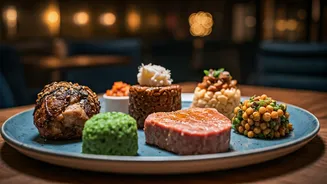
and organic. This isn't about forcing butter chicken into a taco shell for novelty’s sake. It’s about a natural, intuitive blending of flavors learned from a life lived online and offline, across cultures. We’re seeing dishes like dal makhani served over handmade pasta, dosa wraps filled with Korean-style fried chicken, and pav bhaji transformed into savory, pull-apart bread bombs with artisanal cheese. This boldness isn't about disrespecting tradition; it's about seeing it as a vibrant, flexible foundation to build upon. It’s the culinary equivalent of speaking in code-switched slang—effortless, authentic, and deeply personal.
The Instagram-Reel Recipe Book
For previous generations, culinary knowledge was passed down through observation, practice, and meticulously guarded family recipe books. For Indian Gen Z, the primary source of inspiration is often a 30-second Instagram Reel. Platforms like TikTok and Instagram have flattened the world, turning cooking into a visual, fast-paced, and global conversation. A young cook in Mumbai can watch a chef in Seoul make kimchi, a home cook in Mexico prepare birria, and a baker in Paris perfect a sourdough starter—all in a single evening’s scroll. This constant exposure to global techniques and ingredients has demystified them. The result is a generation that feels just as comfortable reaching for gochujang or parmesan as it does for turmeric or garam masala. The ultimate test of a dish is no longer just how it tastes, but how it looks on camera, encouraging a new layer of aesthetic creativity.
A New Definition of 'Authentic'
The concept of 'authenticity' in food has always been a battleground, often policed by older generations or cultural purists. But for many young Indians, authenticity isn’t a rigid set of rules. It’s a feeling. It’s about creating food that feels true to their own mixed, globalized identity. They grew up watching American sitcoms, listening to K-Pop, and eating at international fast-food chains, all while participating in traditional family pujas and celebrating Indian festivals. Their identity is inherently blended, and so is their food. A dish like a spicy chili-oil-topped khichdi (a traditionally mild rice and lentil porridge) isn't 'inauthentic.' To its creator, it’s a perfect reflection of a palate shaped by both comforting Indian tradition and the fiery flavors of Sichuan cuisine discovered online. This redefinition is a powerful statement: my food is authentic to my experience, and that’s the only thing that matters.
The Globalized Pantry
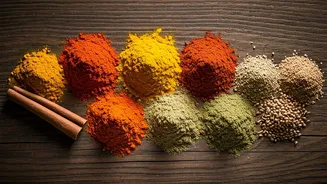
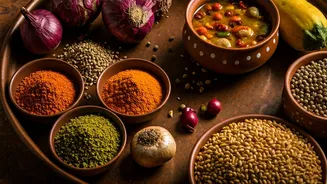
This culinary revolution wouldn’t be possible without a key logistical shift: access. A decade ago, finding ingredients like avocado, sriracha, or high-quality dark chocolate in many parts of India was a challenge. Today, thanks to a boom in e-commerce, gourmet grocery delivery apps, and a growing network of importers, the modern Indian pantry is increasingly global. Miso paste sits next to mango pickle. Buckwheat flour shares a shelf with chickpea flour (besan). This newfound accessibility allows for spontaneous experimentation. When you have the world’s flavors at your fingertips, the creative possibilities are endless. It transforms the kitchen from a place of prescribed tradition into a laboratory for personal expression, where a classic recipe can be taken in a completely new direction with a single, unexpected ingredient.