





Not Just for the Gym Anymore
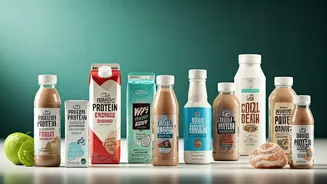
Walk down the refrigerated aisle of any major grocery store and you’ll see them: sleek bottles promising 20, 30, even 42 grams of protein, offered in flavors like chocolate, vanilla, and even café latte. This isn’t a niche product for hardcore athletes
anymore; it's a mainstream wellness staple. The appeal is clear: convenience. In our fast-paced lives, the idea of getting a significant nutritional boost from a single, ready-to-drink beverage is incredibly compelling. Consumers are reaching for them not just for post-workout recovery, but as a quick breakfast, a way to curb a 3 p.m. snack attack, or a simple method to ensure they’re meeting their daily protein needs for muscle maintenance and overall health. This shift reflects a broader understanding that adequate protein is crucial for everyone, supporting everything from immune function to feeling full longer, which can aid in weight management.
Decoding the Protein Source
Not all protein is created equal, and the type used in your drink matters. The most common options fall into two camps: dairy-based and plant-based. **Dairy-Based:** Whey and casein are the two proteins found in milk. Whey is a fast-digesting protein, making it a popular choice for post-workout recovery to quickly deliver amino acids to muscles. Casein is slow-digesting, providing a more sustained release of protein, which can be ideal for satiety or before bed. Many popular drinks, like those from Fairlife, use ultra-filtered milk that naturally concentrates both whey and casein. **Plant-Based:** For those who are lactose intolerant, vegan, or simply prefer to avoid dairy, the plant-based protein market has exploded. Common sources include pea, soy, almond, and even fava bean protein. These are often blended to create a “complete” protein profile, meaning they contain all nine essential amino acids. Brands like Owyn and Koia have built their entire identity around clean, plant-powered, allergen-friendly options.
Beware the Hidden Sugar and Additives
Here's the most important part of navigating the protein drink boom: you must read the label. To make protein palatable, some brands load their drinks with sugar, turning a supposedly healthy choice into little more than a liquid candy bar. A drink with 30 grams of protein but also 25 grams of added sugar is not a wellness product. Look for options with minimal added sugar—ideally under 5 grams. Many brands now use zero-calorie sweeteners like monk fruit, stevia, or sucralose to achieve a sweet taste without the sugar penalty. While generally recognized as safe, some people are sensitive to these or dislike the aftertaste. Beyond sugar, check the ingredients list. A shorter, more recognizable list is often a good sign. Some drinks contain fillers, gums, and artificial flavors to improve texture and taste, which you may or may not be comfortable with.
Finding Your Perfect Protein Match
So, how do you choose? It all comes down to your personal goals and needs. * **For Muscle Growth/Recovery:** Look for a drink with at least 20-30 grams of protein, ideally with whey for fast absorption after a workout. * **As a Meal Replacement:** You'll want a more balanced profile. A good option would have 20+ grams of protein, plus some healthy fats and fiber to keep you full. Check the calorie count to ensure it’s substantial enough. * **As a Healthy Snack:** A lighter drink with 15-20 grams of protein can be perfect to tide you over between meals without being too heavy. * **For Dietary Restrictions:** If you’re vegan or lactose-intolerant, the growing number of high-quality plant-based options are your best bet. Always double-check for allergens.