




The Mountain That Commands the Sky
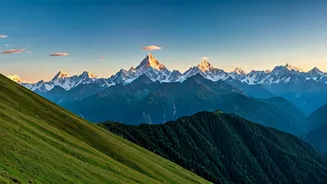
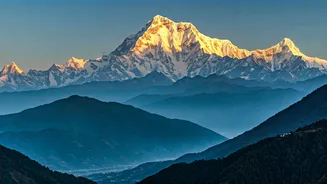
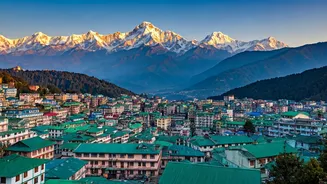
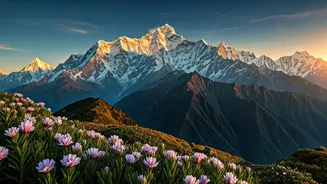
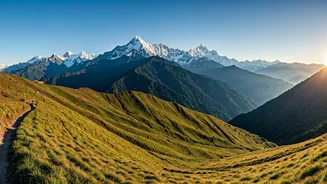
The star of the show is Kanchenjunga, the third-highest mountain on Earth. Its name translates to “The Five Treasures of the Great Snow,” a reference to its five distinct peaks, which local communities believe are sacred repositories of gold, silver,
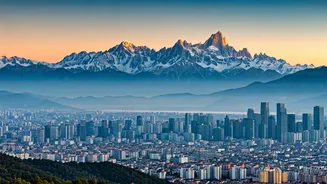
gems, grain, and holy books. Towering at 28,169 feet, it doesn't just sit on the horizon; it dominates it. From Gangtok, you aren't looking at a distant, hazy mountain. On a clear day, the view is a massive, sharp-edged wall of rock and ice that seems impossibly close. The morning light paints it in shades of pink and orange, a daily spectacle that draws both locals and visitors to rooftops and viewpoints, all pausing for a moment of collective awe.
Finding Your Perfect Viewpoint
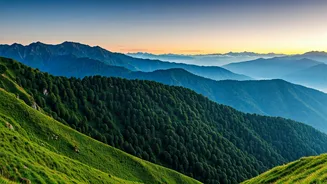
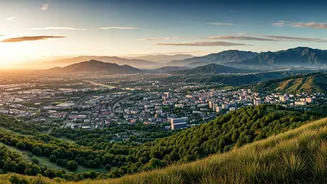
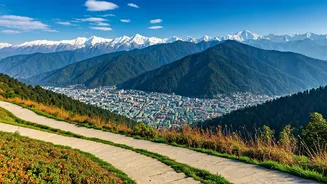
While you can catch glimpses of the range from many hotel windows, dedicated viewpoints offer the most panoramic experience. The most famous is Tashi View Point, located a few miles outside the city center. It’s specifically designed for sunrise and sunset views, offering an unobstructed vista of Kanchenjunga and its neighboring peaks. For a different perspective, head to Ganesh Tok, a small temple perched on a ridge above the city. The temple itself is charming, but the real reward is the viewing lounge that provides a sweeping look over Gangtok with the Himalayas as a backdrop. A word of advice: the mountains are notoriously shy. The best chance for crystal-clear views is during the post-monsoon autumn months (October to mid-December) and in the spring (March to May), when the air is crisp and the skies are often a brilliant blue.
More Than Just a Mountain View
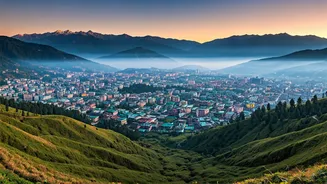
What makes Gangtok so special is that the epic views are paired with a clean, modern, and incredibly pleasant city. The heart of Gangtok is MG Marg, a pedestrian-only boulevard lined with shops, cafes, and restaurants. It’s impeccably clean, and the atmosphere is relaxed and friendly. Unlike many bustling Indian cities, Gangtok operates at a calmer pace. You can spend an afternoon strolling the promenade, grabbing a seat on a bench to people-watch, and enjoying the fresh mountain air without the constant noise of traffic. This unique blend of Himalayan grandeur and urban comfort is what elevates Gangtok from a simple viewpoint to a true vacation destination.
A Taste of Sikkimese Culture
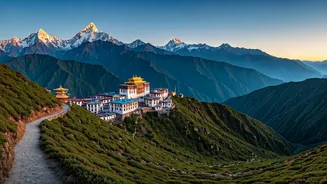
The culture of Sikkim is a fascinating blend of its Nepali, Bhutia, and Lepcha roots, with a strong influence from neighboring Tibet. This is most visible in the stunning Buddhist monasteries dotted around the region. Just outside Gangtok, Rumtek Monastery is one of the most important centers of Tibetan Buddhism outside of Tibet. Its vibrant murals, intricate woodwork, and the sound of chanting monks create a deeply serene atmosphere. The culture is also on the menu. Don’t leave without trying momos—steamed dumplings filled with meat or vegetables—from a local eatery. Pair them with a bowl of thukpa, a hearty noodle soup that’s perfect for a cool mountain evening. This immersion in local life adds a rich layer to the visual splendor of the mountains.
The Logistics of a Himalayan Escape
For American travelers, getting to this corner of India might seem daunting, but it’s more straightforward than you’d think. The main gateway is Bagdogra Airport (IXB) in West Bengal, which has regular flights from major hubs like Delhi and Kolkata. From there, Gangtok is a scenic, albeit winding, 4- to 5-hour drive. You can hire a private car or take a shared taxi. Once in Gangtok, getting around is easy via local taxis. Remember that Sikkim is a protected region, and while U.S. citizens don’t need a special permit for Gangtok itself, you will need a Restricted Area Permit (RAP) if you plan to visit areas closer to the border, like Tsomgo Lake or North Sikkim. These are easily obtained in Gangtok with your passport and visa. Pack layers, as the weather can change in an instant.