






The Island Disconnected from Time
Majuli Island isn't just another scenic spot; it's a geographical and cultural marvel. Often cited as one of the world's largest river islands, Majuli is a world unto itself, accessible only by a ferry that chugs across the wide, silt-heavy Brahmaputra
River from the city of Assam. For centuries, this isolation has helped preserve a way of life centered around culture, art, and a gentle form of Hinduism. The island is a tapestry of rice paddies, wetlands teeming with birdlife, and small villages where life moves to the rhythm of the seasons. However, this tranquil existence is under constant threat from the river's powerful currents, which cause significant erosion each year, lending a poignant sense of urgency to any visit.
The Living World of the Satras
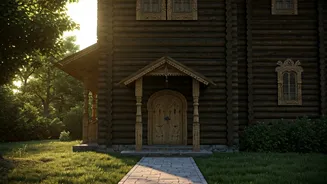
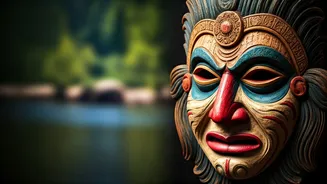
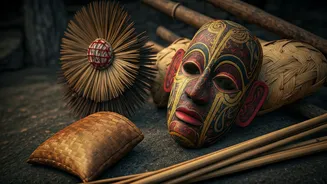
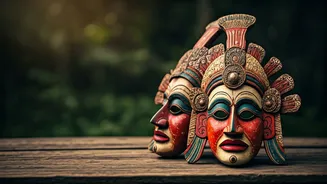
The heart of Majuli's cultural identity lies in its *satras*. These are not the silent, solemn cloisters you might picture when you hear the word “monastery.” Founded in the 15th century by the saint-reformer Srimanta Sankardeva, these Neo-Vaishnavite institutions are vibrant, living centers of devotion expressed through art. Here, spirituality is sung, danced, and crafted. Monks, known as *bhakats*, dedicate their lives to prayer, but also to mastering traditional music, theatrical performances (*bhaona*), and the intricate art of making masks and boats. A visit to a satra is an immersion in a living museum where every ritual and craft tells a story passed down through generations. Some monks are celibate (*kewalia bhakat*), while others are lay devotees who live with their families within the satra complex, creating a unique community atmosphere.
A Day in a Monastic Life
For travelers invited to stay, the experience is less about luxury and more about participation and observation. A typical day begins before dawn with the sound of drums and cymbals calling the monks to the prayer hall (*naamghar*). You can join the community for these hypnotic chanting sessions, which are held in the morning and evening. Meals are simple, vegetarian, and eaten communally. During the day, you're free to wander the satra grounds, watch artisans at work, or simply find a quiet corner to read or reflect. You might see young novices learning ancient dance steps, or an elderly master putting the finishing touches on a spectacular painted mask representing a Hindu deity or demon. The day ends as it began, with the deeply resonant sounds of prayer echoing through the twilight.
Choosing Your Stay and How to Arrange It
Over 20 satras still operate on Majuli, each with its own character. A few are particularly open to hosting respectful visitors. The Uttar Kamalabari Satra is renowned for its dance traditions and has simple guest accommodations. Auniati Satra, one of the largest, is famous for its collection of ancient Assamese artifacts and its vibrant evening prayers. It's best to arrange a stay in advance, though it’s often an informal process. You can’t book these on a typical travel website. The most reliable method is to hire a local guide in Jorhat or upon arrival in Majuli who has relationships with the satras. They can make the introduction and arrangements for you. A small donation for your stay is customary and helps support the community. This isn't a hotel; it’s a privilege and an invitation into someone's sacred home.
Essential Etiquette and Logistics
Getting to Majuli is part of the adventure. First, fly into Jorhat (JRH), Assam. From there, take an auto-rickshaw to Nimati Ghat, the ferry point. The ferry ride itself offers stunning views and a cross-section of local life. Once on the island, you can hire a taxi or rent a scooter to get around. When visiting or staying at a satra, respect is paramount. Dress modestly, covering your shoulders and knees. Always remove your shoes before entering a prayer hall or residential building. Photography is sometimes restricted, especially during prayers, so always ask permission before taking pictures of people or rituals. Speak softly, move slowly, and be an observer first. Approaching the experience with humility is the key to being welcomed and gaining a true insight into this unique culture.