




The City of Lakes, Reborn
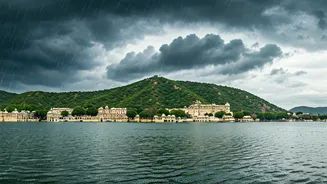
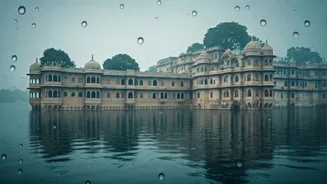
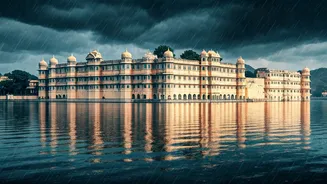
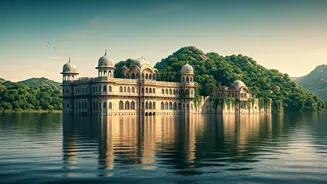
For most of the year, Udaipur’s reputation as the “Venice of the East” rests on the shimmering, but sometimes receding, waters of its man-made lakes. But when the monsoon rains arrive, the city lives up to its name completely. Lake Pichola and Fateh Sagar
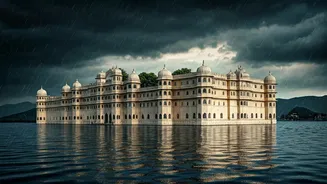
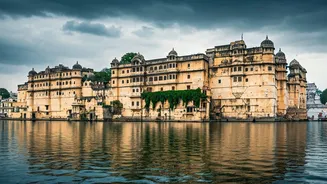
Lake swell, their waters rising to lap against the ancient ghats and palace foundations. The iconic Lake Palace hotel appears to float more majestically than ever, a white marble mirage on the replenished waters. Boat rides, a popular tourist activity, become a far more immersive experience. Instead of navigating carefully charted paths in shallow water, you glide across a vast, uninterrupted expanse, with the City Palace complex looming larger and more impressively from this new, higher vantage point.
Hills Dressed in Emerald Green
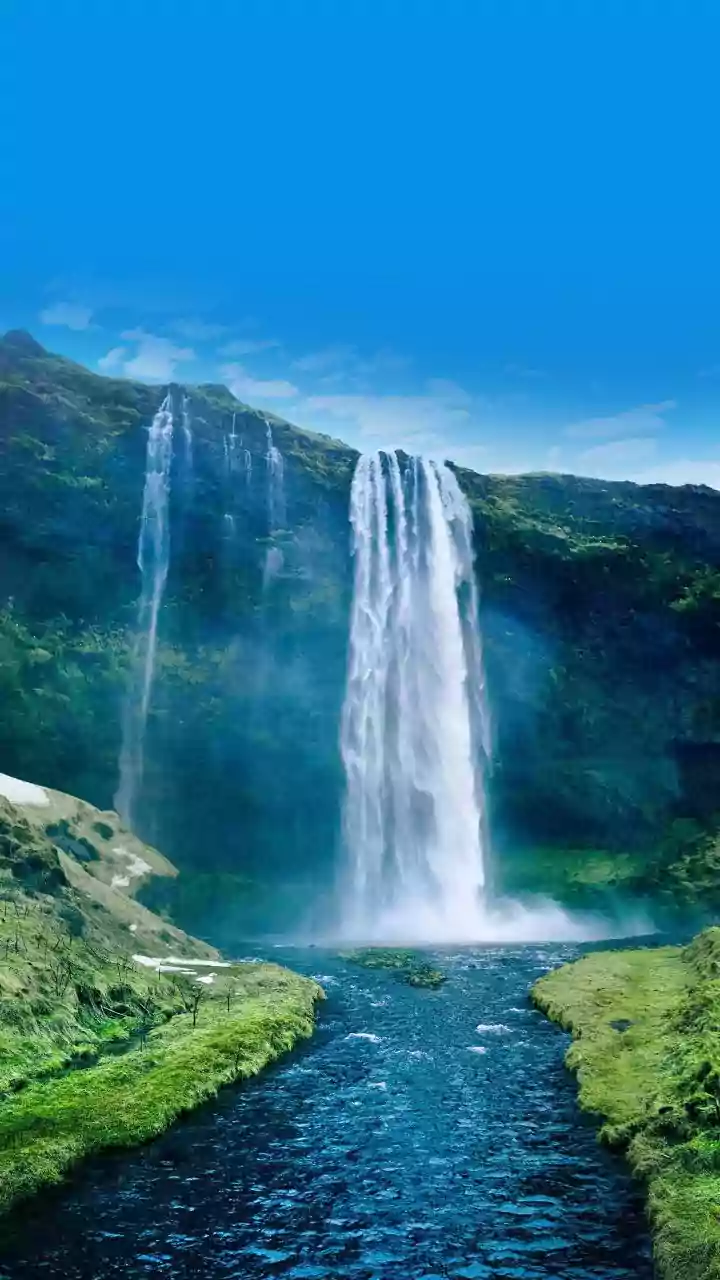
Surrounding Udaipur are the Aravalli Hills, one of the oldest mountain ranges in the world. For much of the year, they are a study in beige and brown—arid, rocky, and stark. The monsoon changes everything. Within weeks of the first rains, a vibrant, almost electric green carpet rolls across the hillsides. This dramatic shift in the color palette is stunning. The contrast between the rain-washed white marble of the palaces and the lush, verdant backdrop creates a visual spectacle you simply don't get during the dry winter or scorching summer months. Driving into the countryside reveals waterfalls and streams that are non-existent for the other nine months of the year, turning a simple excursion into a journey of discovery.
The Monsoon Palace's True Calling
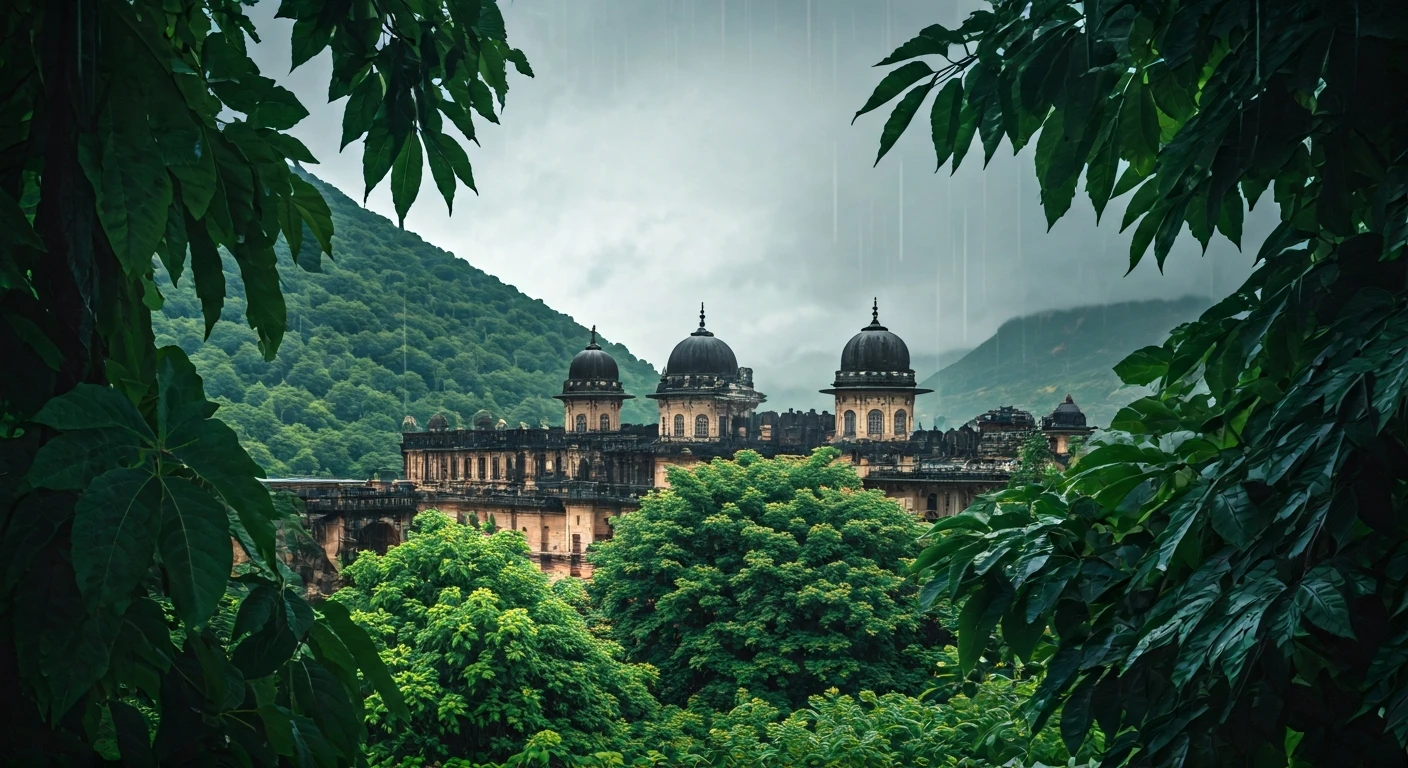
High on a hill overlooking the city sits Sajjangarh, aptly nicknamed the Monsoon Palace. Built in the late 19th century by Maharana Sajjan Singh, its primary purpose was to provide a perch from which to watch the monsoon clouds roll in. Visiting during its namesake season is to experience the palace as intended. As clouds gather and swirl below, the palace often feels like it’s floating in the sky. The views are breathtakingly dramatic, with shafts of sunlight breaking through dark clouds to illuminate patches of the city and lakes below. While a clear winter day offers a panoramic view, the moody, atmospheric, and ever-changing skyscape of the monsoon provides a far more dynamic and poetic experience.
Fewer Crowds and Cooler Days
The peak tourist season in Rajasthan is winter (October to March), when the weather is sunny and dry. This also means it's crowded and expensive. The monsoon, by contrast, is the shoulder season. You'll find significantly fewer tourists, allowing for a more intimate and unhurried experience of the city’s famous landmarks. The persistent rain also brings a welcome respite from India's intense heat. Temperatures drop, and the air, while humid, feels fresh and clean. The rhythm of the city slows down. It's the perfect time to duck into a lakeside café, order a cup of chai, and simply watch the rain fall on the water, a simple pleasure that feels like a luxurious escape.
A Romantic, Reflective Mood
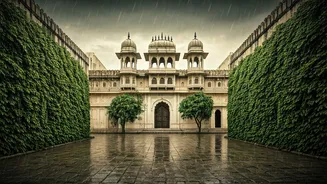
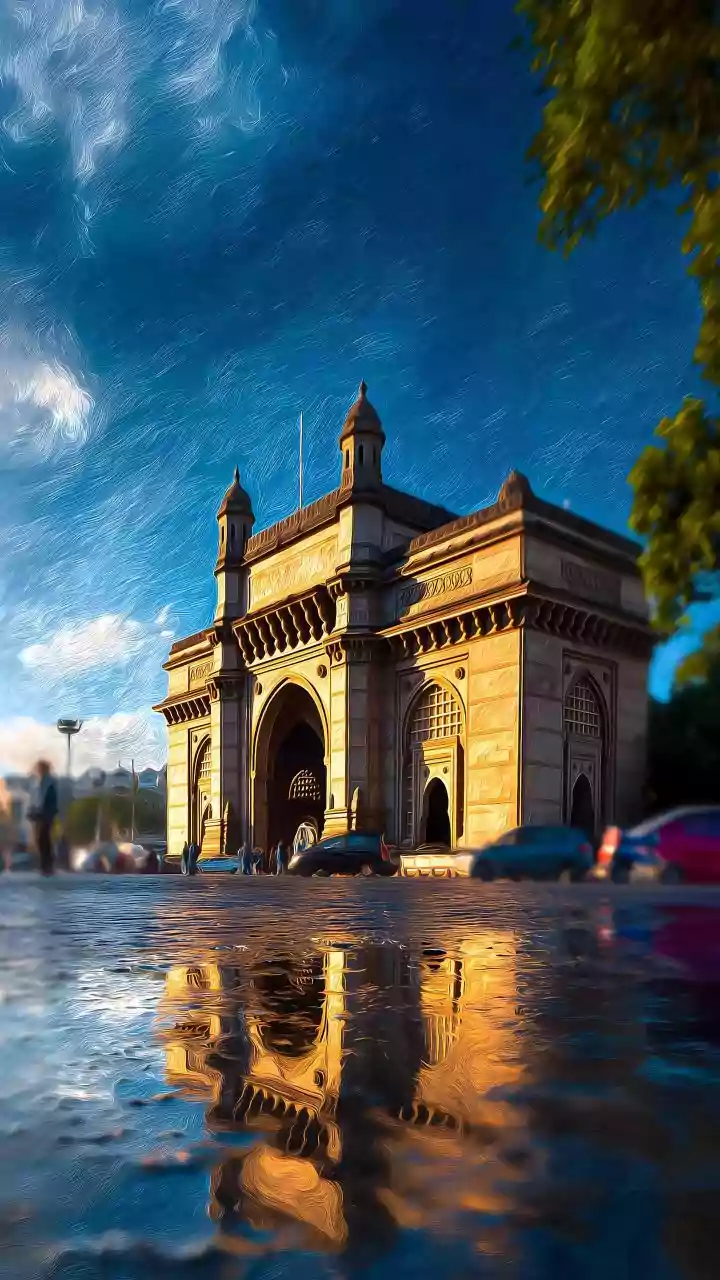
More than any single sight, it’s the atmosphere that makes monsoon-season Udaipur so special. The sound of rain on rooftops, the mist that shrouds the palaces in the early morning, the glistening cobblestone streets reflecting the lights of havelis at night—it all contributes to a deeply romantic and contemplative mood. The city feels less like a busy tourist destination and more like a living painting. It’s a time for reflection, for enjoying the quiet beauty of the architecture, and for experiencing a side of Rajasthan that is soft, poetic, and profoundly beautiful.