



The New Consumer Trinity
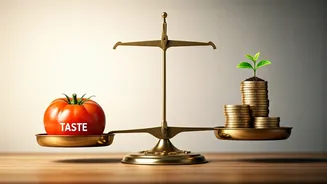
Welcome to the era of the trifecta consumer. For decades, the purchasing decision was a simple two-part equation: taste and price. If a product tasted good and the price was right, it was a winner. But a third, more complex variable has forcefully entered
the chat: sustainability. This isn't just a niche concern for coastal elites anymore; it’s a mainstream expectation. ‘Taste’ remains the non-negotiable king. A product can save the planet, but if it tastes like cardboard, it won’t get a second purchase. ‘Value’ has also evolved. It’s no longer just about the lowest price tag but a broader calculation of quality for the cost. Consumers are willing to pay a little more for a product that lasts longer, performs better, or aligns with their values. And ‘Sustainability’ is the sprawling, sometimes-vague, but increasingly powerful newcomer. It encompasses everything from recycled packaging and a low carbon footprint to ethical sourcing, fair labor practices, and animal welfare. The modern consumer wants their coffee to be delicious, affordable, *and* fair trade.
The Corporate Tightrope Walk
For the companies trying to win our dollars, delivering on this new trinity is a high-wire act with no safety net. Each pillar often stands in direct opposition to the others. For example, shifting to organic, ethically-sourced ingredients (hitting ‘sustainability’) almost always increases production costs, putting immense pressure on ‘value.’ Cutting-edge, plant-based meat alternatives that nail the ‘taste’ and ‘sustainability’ criteria often come with a sticker price that makes traditional meat look like a bargain.
Even seemingly simple changes are fraught with trade-offs. That flimsy-feeling compostable packaging might be great for the planet, but if it fails to protect the product, it compromises quality and leads to food waste, ironically undermining its own green credentials. Engineering a beloved snack to have less salt or sugar for health reasons can impact its iconic ‘taste.’ This is the core dilemma facing every product manager and CEO: optimizing for one goal often means sacrificing another. The belief that a company can simply absorb these costs is often a fantasy; more often, the tension is passed on to the consumer in the form of higher prices or compromised quality.
The Pioneers Finding a Balance
While achieving the perfect balance is difficult, it's not impossible, and several brands have built their entire identity around the attempt. Think of a company like Applegate, which brought organic and humanely-raised meat to the mainstream. They made a bet that consumers would pay a premium for a product that was both tasty and ethically sourced. Similarly, the rise of B-Corps—companies legally required to consider the impact of their decisions on workers, customers, suppliers, community, and the environment—is a direct response to this trend. Brands like Ben & Jerry's and King Arthur Baking Company have long married a quality product with a strong social and environmental mission.
Even retail giants are getting in on the act. Major supermarket chains have expanded their private-label organic lines, like Kroger’s Simple Truth or Whole Foods’ 365, to offer sustainable options at a more competitive price point, directly tackling the value-sustainability conflict. These companies aren't charities; they’re responding to clear market signals that the brands who figure this out will be the winners of the next decade.
Closing the 'Say-Do' Gap
Here's the inconvenient truth: there's often a massive gap between what we *say* we want and what we actually *do*. Countless surveys show shoppers claim they are willing to pay more for sustainable products. But when standing in the store, faced with rising inflation and a tight budget, the lower-priced, familiar option often wins. This is the ‘say-do’ gap, and it's the biggest hurdle for brands investing in sustainability.
This doesn’t make consumers hypocrites; it makes them human. Price, convenience, and habit are incredibly powerful forces. For the sustainability movement to truly take hold, the onus can’t just be on the consumer to make the ‘right’ choice. The pressure is mounting on companies to innovate in a way that makes the sustainable choice the easy choice—one that doesn’t force a compromise on taste or break the bank. It requires making eco-friendly packaging the standard, not the premium option, and investing in supply chains that make ethical production more affordable.