






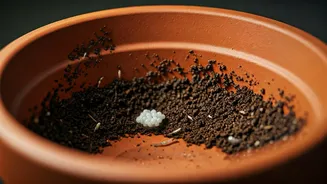
The Pre-Monsoon Paradox
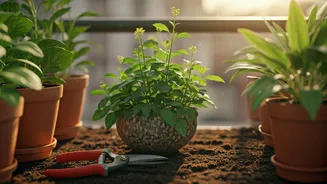
In states like Arizona, New Mexico, and parts of Texas, the pre-monsoon period is a critical window for gardeners. It’s the time to enrich soil, sow heat-tolerant seeds, and prepare beds for the life-giving downpours to come. The dry heat keeps many pests
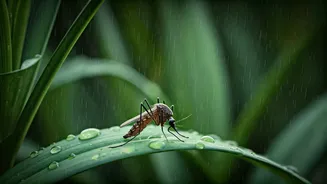
at bay, creating a brief, beautiful moment to work the earth. But this period of preparation is also a setup. Mosquitoes, particularly species like the Aedes aegypti—a notorious daytime biter and carrier of diseases like Zika and dengue—are opportunistic survivors. They lay their eggs on the inner, dry surfaces of containers. These eggs can lie dormant for months, just waiting for the smallest amount of water to trigger a hatch. Your pre-monsoon garden, with its empty pots, watering cans, and wheelbarrows, is a minefield of potential mosquito nurseries.
Your Garden is a Mosquito Nursery
A female mosquito doesn’t need a pond to lay her eggs; she needs just a bottle cap’s worth of stagnant water. Before you even start planting, take a walk through your yard and look at it from a mosquito's point of view. That charming birdbath you haven't cleaned? A five-star hotel. The saucer under your flowerpot? A maternity ward. Clogged rain gutters, forgotten buckets, children’s toys left outside, crinkled tarps, and even the divots in your lawn can all become breeding grounds after the first light sprinkle or a stray blast from your hose. The work you do now—clearing, organizing, and tidying—is not just about aesthetics. It is your first and most effective line of defense against the mosquito onslaught that the monsoon will otherwise guarantee.
The Search and Destroy Mission
The Centers for Disease Control and Prevention (CDC) promotes a simple mantra: tip, toss, and turn. At least once a week, make a habit of walking your property with the specific goal of eliminating standing water. Tip out water from pots, planters, and toys. Toss any collected yard debris like leaves or trash that can hold water. Turn over larger items like wheelbarrows and unused wading pools to keep them from filling up. For things that must hold water, like birdbaths or pet bowls, commit to scrubbing and changing the water every few days. This disrupts the mosquito life cycle, which can be as short as a week in warm weather. Don’t forget to check less obvious spots: the tray of your air conditioning unit, the folds of your grill cover, and the tops of garbage can lids.
Choose Your Plants and Timing Wisely
While some plants like citronella, lavender, and marigolds are reputed to have mosquito-repelling properties, experts agree their effect is minimal unless you crush the leaves to release the oils. A better plant-based strategy is to avoid vegetation that traps water. Bromeliads, for instance, have central “tanks” that are perfect for mosquito larvae. If you must have them, be sure to flush them with a hose every few days. Beyond what you plant, consider when you garden. Mosquitoes are most active during dawn and dusk. By shifting your gardening to the brighter, hotter parts of the day, you can avoid the worst of their activity. This simple behavioral change can dramatically reduce your number of bites and make your time outdoors far more pleasant.
Armor Up: Personal Protection
Even the most vigilant yard maintenance won’t eliminate every single mosquito. When you’re out in the garden, personal protection is your final shield. Wear loose-fitting, long-sleeved shirts and long pants. Mosquitoes can and will bite through tight-fitting fabrics like yoga pants. Light-colored clothing is also generally less attractive to them. For exposed skin, use an EPA-registered insect repellent. Look for products containing active ingredients like DEET, picaridin, or oil of lemon eucalyptus. These have been proven effective and safe when used as directed. Applying repellent should be the last step of your getting-ready routine, after sunscreen. It's a small, simple act that provides a powerful layer of defense, letting you focus on your plants instead of swatting at your ankles.