
The Great ‘Curry’ Misunderstanding
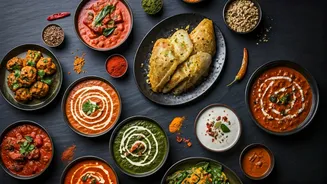
Let’s get one thing out of the way: the idea of a single, monolithic “Indian food” is a myth, largely shaped by British colonialism and early immigrant restaurants in the West. The generic, yellow-powder “curry” you find in supermarket aisles has little
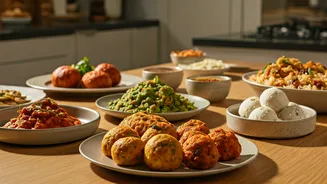
to do with the complex, varied, and aromatic gravies and sauces found across India. For decades, what Americans experienced was a simplified, greatest-hits menu, often rooted in North Indian or Punjabi traditions, because that’s what was believed to be most palatable to a Western audience. It was a safe, predictable, and ultimately incomplete introduction. The real genius of Indian cooking was hiding in plain sight, waiting for the world to look beyond the buffet line.
A Continent on a Plate
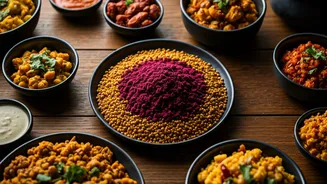
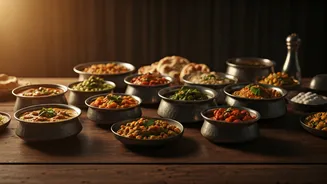
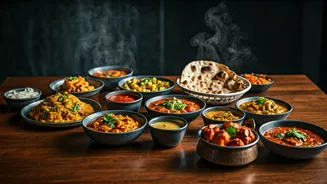
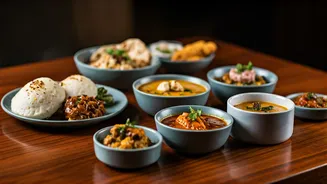
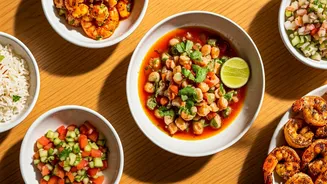
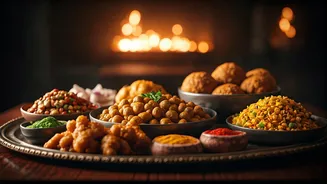
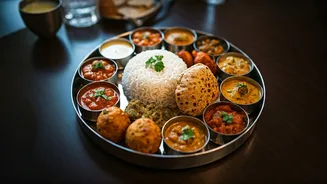
To understand the “real genius,” you have to think of India not as a country but as a continent of cuisines. The food of Kerala in the south, with its coconut milk-laced seafood stews and rice-flour pancakes, is a world away from the mustard-oil-infused fish dishes of West Bengal. The vegetarian thalis of Gujarat are a masterclass in balancing sweet, sour, and savory flavors, while the robust, meaty dishes of Kashmir reflect Persian and Central Asian influences. Each state, and often each community within it, has its own spice blends (masalas), cooking techniques, and signature dishes forged by centuries of specific climate, agriculture, and history. The true genius isn't one chef or one dish; it’s this staggering diversity. It’s the art of using the same handful of spices to create wildly different flavor profiles, from the smoky tandoors of the north to the tangy, tamarind-based rasams of the south.
The New Storytellers
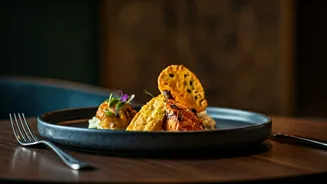
So why is this “discovery” happening now? Credit a new generation of chefs, authors, and home cooks who are refusing to dumb down their heritage. They are acting as cultural ambassadors, using food as a medium for storytelling. Chefs like London's Asma Khan, featured on Netflix's “Chef’s Table,” gained global acclaim by championing the home-style food of her Mughal ancestry, cooked by an all-female kitchen staff. In the U.S., restaurants are moving beyond the standard menu to specialize in the food of a specific region, like the South Indian dosas at New York's Semma or the Goan-inspired plates found in niche pop-ups. These culinary leaders aren’t just cooking; they're educating. They’re explaining that there’s a story behind every dish, a history in every spice blend, and a reason for every technique. They are finally presenting Indian food on their own terms, with confidence and pride.
More Than Just Heat
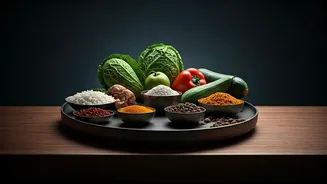
Another myth being busted is that Indian food is all about scorching heat. While some dishes are intensely spicy, the foundational principle of many Indian culinary traditions, particularly those influenced by Ayurveda, is the balance of six tastes: sweet, sour, salty, bitter, pungent, and astringent. A well-composed Indian meal is a symphony of these flavors, designed to be both satisfying and balanced. The cooling yogurt (raita) served alongside a spicy biryani isn’t an afterthought; it’s an essential counterpoint. The sweetness of a chutney, the sourness of tamarind, and the bitterness of fenugreek all play a role. This sophisticated approach to flavor architecture is a core element of its genius. It’s not about overpowering the palate with chili but about creating a complex, layered experience that evolves with every bite.