





The New Digital Rainmaker
We’ve all been there. You have a perfect outdoor plan—a picnic, a hike, a patio hang—and the sky is a picture of blue possibility. Then a phone buzzes. It’s not a text, but an edict from on high, delivered via a weather app: a 30% chance of a 15-minute
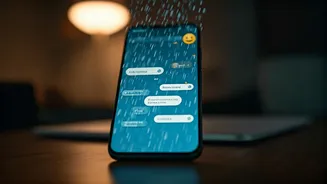
drizzle two hours from now. Suddenly, the group chat’s resident Weather Watcher, armed with a Doppler radar map and a sense of grave responsibility, declares the entire enterprise too risky. The plan is dead. This is the new reality of social planning in the age of hyper-specific meteorology. What was once a tool for general guidance has become a source of social paralysis. Active rain alerts, promising minute-by-minute predictive power, have inadvertently become the ultimate, and most anxious, party planners. They don’t just inform our decisions; for many, they now dictate them, turning a simple get-together into a high-stakes exercise in risk management.
From Forecast to Social Tyranny
The psychological shift is subtle but profound. In the past, you’d check the weather in the morning. “70 and sunny with a chance of afternoon showers.” You’d weigh the odds, maybe pack an umbrella, and get on with your day. The ambiguity left room for optimism and spontaneity. Today’s alerts, however, feel different. They are specific, urgent, and personal. “Rain starting at your location at 3:15 PM.” The certainty, even if it’s just a statistical projection, carries an immense psychological weight. This perceived certainty transforms a suggestion into a command. The app isn't just saying it *might* rain; it feels like it's telling you it *will* rain on *you*. This specificity makes ignoring the alert feel reckless. In a group setting, no one wants to be the person who advocated for the park meetup that turned into a soggy disaster, especially when a digital oracle explicitly warned against it. The path of least resistance—and least social blame—is to cancel or move indoors.
The Key Players in Every Weather Standoff
This drama plays out through a cast of familiar characters in every group chat. There’s the aforementioned Weather Watcher, who sees it as their civic duty to monitor precipitation with the intensity of an air traffic controller. Then there’s the Optimist, who insists, “It’s only a 20% chance, guys, we’ll be fine!” often to no avail. You’ll also find the Indifferent, who just wants a decision to be made, any decision, and the Veto Holder, who uses the rain alert as a convenient excuse to get out of a plan they weren't thrilled about in the first place. The resulting back-and-forth isn’t really about the weather. It’s a low-stakes negotiation of control, risk tolerance, and social cohesion. The rain alert simply becomes the battlefield on which these dynamics play out, a neutral-seeming piece of data that everyone can weaponize for their own agenda, whether it's genuine caution or a desire to just stay on the couch.
The Broader Quest to Optimize Everything
This obsession with avoiding a brief shower isn’t an isolated phenomenon. It’s part of a larger cultural trend toward optimizing every aspect of our lives, including leisure. We have apps to find the best restaurant, the most efficient route, and the perfect workout. It only follows that we’d seek to optimize our exposure to the elements. The promise of data is the promise of a perfect, frictionless experience. But what do we lose when spontaneity is engineered out of existence? Some of the most memorable moments are born from imperfection—seeking shelter from a sudden downpour in a random coffee shop, or laughing with friends as you make a dash for the car. By allowing predictive alerts to govern our plans, we trade the possibility of serendipity for the guarantee of dryness. We’re so focused on avoiding the minor inconvenience of getting damp that we may be missing out on the joy of simply living through it.