


Lantana: The Nonstop Bloomer
If you want a fire-and-forget plant that delivers an explosion of color, look no further than lantana. These hardy perennials are beloved for their clusters of small, vibrant flowers that bloom continuously from spring until the first frost. They adore
full sun and are exceptionally drought-tolerant once established, making them a perfect candidate for hot, exposed balconies. Lantanas come in a rainbow of colors—yellow, orange, red, pink, purple, and white—and their trailing varieties are fantastic for spilling over the edges of hanging baskets and planters, creating that 'lush' effect. As a bonus, they are a magnet for pollinators like butterflies and hummingbirds, turning your balcony into a lively ecosystem.
Portulaca: The Jewel-Toned Groundcover
Often called moss rose, portulaca is a low-growing succulent that seems to laugh at heat and drought. Its fleshy, needle-like leaves are designed to store water, so it won't punish you for forgetting to water it for a day or two. The real show, however, is its satiny, jewel-toned flowers that open in the sunshine. Available in brilliant shades of fuchsia, yellow, orange, and white, they create a dense mat of color that's ideal for the front of a container or as a 'spiller' plant. Portulaca needs at least six hours of direct sun to bloom its best and requires well-draining soil to prevent root rot. It’s a foolproof choice for adding bright, cheerful color to the sunniest spots.
Zinnia: The Cut-and-Come-Again Classic
For a classic cottage-garden feel, zinnias are an unbeatable choice. These annuals grow quickly and produce an abundance of cheerful, daisy-like flowers. What makes them so great for balconies is their love of heat and the fact that the more you cut them, the more they bloom. Dwarf varieties like the 'Profusion' or 'Zahara' series are specifically bred for container performance, staying compact while producing a massive number of flowers. They handle full sun with ease and are relatively drought-tolerant, though they perform best with consistent moisture. Snip a few stems to bring indoors for a small vase, and you'll encourage the plant to produce even more flowers.
Geranium: The Balcony Box Staple
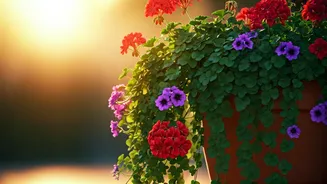
There's a reason geraniums (the common name for Pelargoniums) are a staple in European window boxes and American porches: they are incredibly resilient. These plants thrive in the heat and can tolerate periods of dryness thanks to their thick, sturdy stems. They offer bold clusters of flowers in shades of red, pink, white, and salmon, set against attractive foliage that is often scented. For a lush look, choose ivy-leaf geraniums, which have a beautiful trailing habit perfect for hanging baskets and the edges of large pots. They need plenty of sun to produce a steady stream of blooms and should be allowed to dry out slightly between waterings.
Angelonia: The 'Summer Snapdragon'
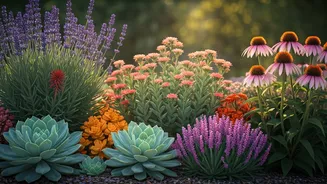
If you want vertical interest, Angelonia is your answer. Often called 'summer snapdragon' for its upright spires of delicate-looking flowers, this plant is anything but delicate. It loves humidity and high temperatures, blooming profusely when other plants might be struggling. The flowers come in shades of purple, pink, and white, and they don't require deadheading to keep blooming all season long. Angelonia works beautifully as a 'thriller' in the center of a mixed container, adding height and an elegant shape. It pairs wonderfully with trailing plants like lantana or portulaca for a dynamic, multi-layered arrangement. It prefers consistent moisture but is surprisingly tough once it settles in.
Sedum: The Unkillable Succulent
For the ultimate in low-maintenance foliage, sedums (or stonecrops) are champions. These succulents come in an astonishing variety of shapes, colors, and sizes, from low-growing groundcovers like 'Angelina' with its chartreuse foliage to upright varieties like 'Autumn Joy' that provide structure. Their fleshy leaves are masters of water storage, meaning they can handle the intense heat and dry conditions of a sun-baked balcony with minimal fuss. Many varieties also produce star-shaped flowers in late summer and fall, adding another season of interest. They are perfect for creating a modern, architectural look or filling in gaps around thirstier plants.