






More Than Just Convenience
In the United States, the smart home revolution was largely built on convenience and entertainment. We ask Alexa to play a song, tell Google to dim the lights for movie night, or use an app to preheat the oven. These are first-world luxuries that make
comfortable lives even more seamless. But as this technology permeates Indian homes, it's adapting to solve a different set of problems—ones rooted in the realities of urban and suburban life in a rapidly developing nation. For millions of Indians, smart technology isn't about upgrading a perfect home; it's about managing an imperfect infrastructure. It’s less about a cool party trick and more about security, stability, and health.
The Aspirational Tech Boom
What’s fueling this shift? A potent combination of economic growth and digital access. India has a booming middle class with growing disposable income and a strong aspiration for a modern lifestyle. This is a demographic that is young, tech-savvy, and eager to adopt products that signal a step up. Crucially, this aspiration is supercharged by access to some of the cheapest mobile data on the planet. When an entire generation can come online via affordable smartphones, the barrier to adopting connected devices plummets. This digital-first mindset means consumers are comfortable controlling their homes through apps and voice commands, creating a massive, addressable market that tech giants and local startups are rushing to serve.
Solving India-Specific Problems
The most fascinating aspect of India's smart home market is its unique product-market fit. Instead of smart thermostats (less critical in a country with varied climates and different HVAC systems), the killer apps are solutions for distinctly Indian challenges. For example, intermittent power outages are common in many areas. So, companies are developing smart inverters and uninterruptible power supply (UPS) systems that can be monitored and managed remotely, ensuring refrigerators stay on and Wi-Fi doesn't drop. Concerns about urban air pollution have created a huge market for smart air purifiers that automatically adjust based on real-time quality indexes. Smart door locks and cameras provide a sense of security in densely packed apartment complexes, a feature that resonates deeply with families.
Voice Is King, but It Speaks Hinglish
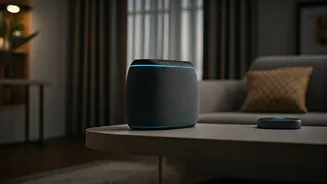
Just like in the U.S., voice is a key interface. But in a nation with 22 official languages and hundreds of dialects, a one-size-fits-all approach is doomed to fail. Amazon's Alexa and Google Assistant have invested heavily in localizing their platforms. They not only support major languages like Hindi, Tamil, and Bengali but also understand 'Hinglish'—the ubiquitous, fluid blending of Hindi and English that dominates urban conversation. Asking your speaker, "Alexa, cricket ka score batao," (Alexa, tell me the cricket score) is a normal interaction. This linguistic dexterity has been critical for mass adoption, making complex technology feel intuitive and accessible to people who may not be fluent in English or comfortable navigating complex apps.
A Battleground for Brands
The opportunity hasn't gone unnoticed. Global titans like Amazon, Google, and Apple are competing fiercely for a foothold. Their smart speakers often act as the gateway device, pulling users into their respective ecosystems. Yet, they face stiff competition from established Indian electronics brands like Wipro and new-age startups like Qubo (from the Hero Group), which are designing products from the ground up for the Indian consumer. These local players often have a better grasp of domestic distribution networks and a more nuanced understanding of local aesthetic and functional priorities. This competition is ultimately a boon for consumers, driving prices down and pushing innovation forward, ensuring that the smart home of tomorrow will speak with a distinctly Indian accent.