





It's Not a Fryer, It's a Tiny Oven
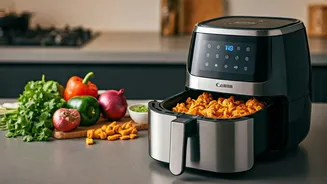
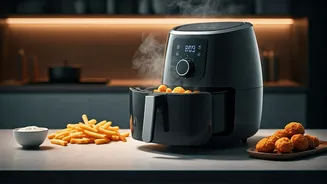
Let's get the biggest misconception out of the way: an air fryer doesn't actually 'fry' anything. It’s a marketing masterstroke for what is, essentially, a small, powerful convection oven. Inside the machine, a heating element generates intense heat,
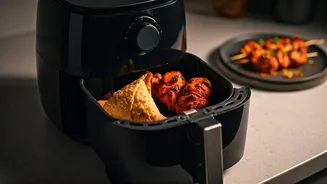
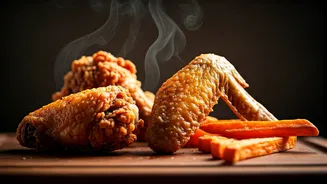
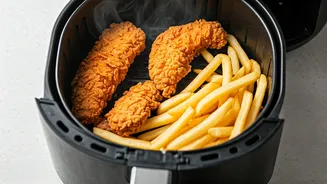
and a high-speed fan circulates it rapidly around your food. This process, known as convection, cooks food faster than a traditional oven and creates a crispy, browned exterior that mimics the texture of deep-fried food, but without submerging it in oil. This simple, effective technology is the foundation of its appeal, turning out perfectly crisped chicken wings, Brussels sprouts, and French fries with minimal effort and supervision.
The 'Healthy' Halo Effect
A huge part of the air fryer’s allure is its reputation as a healthier alternative. For anyone trying to cut down on fat and calories, the promise of “fried” food with a fraction of the oil is incredibly compelling. Using just a tablespoon of oil (or sometimes none at all), you can achieve a satisfying crunch that was once only possible with a vat of hot grease. This health-conscious positioning helped the appliance break out of the gadget niche. It wasn't just another deep fryer; it was a tool for making weeknight staples like vegetables and lean proteins more exciting and delicious, appealing to a broad demographic of families, young professionals, and anyone looking for a convenient nutritional win.
The Pandemic Cooking Boom
While air fryers have been around since Philips introduced the first model in 2010, their explosion in popularity is directly tied to the pandemic. As lockdowns sent millions of Americans home, the kitchen became a central hub of activity. People were desperate for variety, convenience, and ways to make cooking less of a chore. The air fryer was the perfect solution. It’s fast, easy to clean, and simple enough for even novice cooks to master. It heats up almost instantly, eliminating the preheat wait of a conventional oven, and its compact size made it ideal for cooking smaller, quicker meals. It was the right appliance at exactly the right time.
TikTok Made Me Buy It
If the pandemic was the spark, social media was the gasoline. Platforms like TikTok and Instagram are visual mediums, and the air fryer produces incredibly photogenic food. Quick, mesmerizing videos of someone turning a pale, frozen snack into a golden-brown masterpiece in minutes proved to be an irresistible form of advertising. A whole subculture of 'air fryer influencers' emerged, sharing recipes for everything from crispy bacon and roasted salmon to air-fried Oreos and pasta chips. This content demystified the appliance, provided endless inspiration, and created a powerful sense of FOMO (fear of missing out). The hashtag #airfryer has billions of views, turning the appliance from a useful tool into a full-blown cultural phenomenon.
From Gimmick to Go-To Appliance
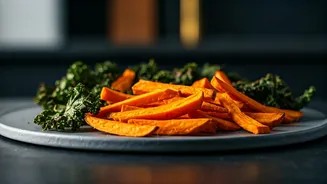
Initially, many saw the air fryer as a one-trick pony for reheating frozen pizza rolls. But as users grew more confident, they began to experiment, discovering its remarkable versatility. It can roast vegetables to perfection, cook juicy chicken thighs with crackling skin, bake small batches of cookies, and even dehydrate fruit. It's a toaster, a broiler, a convection oven, and a dehydrator all rolled into one appliance that doesn't heat up the entire kitchen. This utility is what gives it staying power. People may buy it for the fries, but they keep it for the salmon, the asparagus, and the time it saves them every single night.