
The Common Wisdom We All Followed
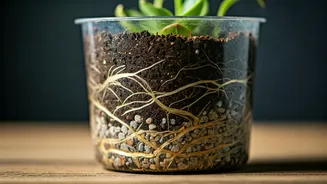
It’s a tip passed down through generations of gardeners: add a few inches of gravel, pot shards, or pebbles to the base of a container before filling it with soil. The logic feels sound. Water hits the soil, drains through, and collects in the gravelly
void below, keeping the delicate roots high and dry. This technique is supposed to create a buffer zone, an insurance policy against an overzealous watering can. On the surface, it seems like a perfect, low-effort way to improve drainage and create a healthier environment for everything from a tiny succulent to a sprawling fiddle-leaf fig. It’s advice you’ll find on countless old-school blogs and hear from well-meaning relatives. Unfortunately, physics has other plans.
The Scientific Reality: A 'Perched Water Table'
Contrary to popular belief, that layer of gravel doesn't help water escape. Instead, it creates a dangerous phenomenon known as a “perched water table.” Think of your potting soil like a sponge. A sponge holds onto water until it becomes fully saturated, at which point excess water begins to drip out. When you place that soil “sponge” on top of a coarse gravel layer, the water won’t immediately flow down into the empty spaces. The fine particles of the soil cling to the water molecules through cohesion and adhesion. Water will only move from the fine-textured soil into the coarse-textured gravel once the soil is completely saturated. This means the water actually pools at the bottom of the soil, right where the roots are, effectively raising the water table inside the pot. Instead of giving roots breathing room, the gravel layer forces them to sit in a boggy, oxygen-deprived zone. You’ve accidentally created a miniature swamp at the bottom of your pot—the very thing you were trying to avoid.
The Real Secret to Perfect Drainage
So, if gravel is out, what’s the right way to stop waterlogging? The solution is simpler and more effective. First, choose the right pot. It must have a drainage hole. No exceptions. A single, large hole is far better than a layer of gravel in a hole-less pot. Second, focus on the soil itself. A uniform column of high-quality, well-draining potting mix is the key. You want soil that holds enough moisture for the plant but allows the excess to flow straight through and out the bottom. For plants that are particularly sensitive to wet feet, like succulents and cacti, use a specialty mix amended with sand or perlite to increase porosity. The goal is to create a consistent environment from top to bottom, encouraging roots to grow deep and allowing water to drain freely by gravity, just as it would in nature. A continuous column of the same soil texture is the most effective way to guarantee water moves through and out of the container.
Putting Your Gravel to Good Use
Just because gravel doesn't belong at the bottom of your pots doesn't mean it's useless. You can still put that bag of pebbles to work for your plants. One excellent use is as a decorative top dressing. A thin layer of gravel on the surface of the soil can give your potted plants a clean, finished look, help retain a bit of surface moisture, and prevent soil from splashing out when you water. Another great application is creating a humidity tray. Fill a shallow tray with gravel and a little water, then place your pot on top of the gravel, ensuring the bottom of the pot isn't sitting in the water. As the water evaporates, it will create a humid microclimate around your plant, which is a huge benefit for tropicals like ferns and calatheas that crave moisture in the air. This way, your gravel helps your plants thrive without compromising their root health.