

Start with the Right Foundation
The first mistake happens before a seed even sees water. Many beginners grab a handful of soil from a park or use heavy potting mix from a hardware store. This is a recipe for disappointment. Garden soil is often packed with fungal spores, weed seeds,
and pests, and it compacts in a pot, strangling delicate new roots. Heavy potting mixes can hold too much water. Your first act of kindness to your future plants is to buy a bag of sterile, light, and fluffy seed-starting mix. It’s specifically designed to be lightweight, drain well, and be free of the pathogens that cause a common seedling-killer known as “damping off.” This one simple swap dramatically increases your odds of success and sidesteps one of the most common points of failure.
Master the Light and Water Tightrope
Here it is: the number one cause of seedling anxiety. Too much water, and the roots rot. Too little, and they wither. The secret isn’t a rigid schedule; it’s observation. Instead of watering a little every day, water thoroughly until it drains from the bottom of your container, then wait. Don’t water again until the top inch of the soil feels dry to the touch. This encourages roots to grow deeper in search of moisture. As for light, a south-facing window is rarely enough, leading to “leggy” seedlings—long, pale, and weak stems that stretch desperately for the sun. They often collapse under their own weight. For apartment dwellers, a simple, inexpensive LED grow light is a game-changer. You don’t need a high-tech setup; a basic clip-on model positioned a few inches above your seedlings for 14-16 hours a day will keep them compact, strong, and green.
Provide Air and Personal Space
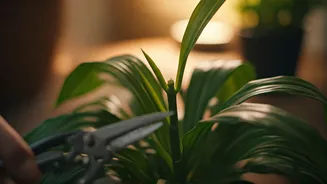
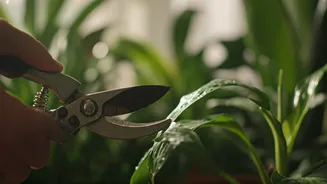
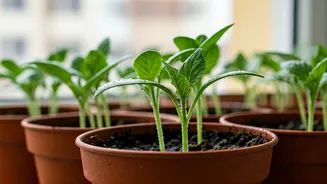
We love the look of a dense tray of new sprouts, but crowding is a major threat. Without good air circulation, moisture sits on the leaves and soil surface, creating a perfect breeding ground for fungal diseases. If you’re starting seeds under a plastic dome for humidity, be sure to remove it for an hour a day to let things air out. Once the seedlings have their first true leaves (the second set of leaves that appear), a small, gentle fan pointed near—but not directly at—them for a few hours a day can work wonders. This not only keeps the air moving but also strengthens their stems, mimicking a natural breeze. Furthermore, don’t be afraid to “thin” your seedlings. If two or three seeds sprouted in one cell, use a small pair of scissors to snip the weakest ones at the soil line. It feels cruel, but it gives the strongest seedling the space and resources it needs to thrive.
The Gentle Art of 'Hardening Off'
You’ve done it. You’ve nurtured a tray of beautiful, healthy seedlings indoors. Now you’re ready to move them to your balcony or fire escape. Putting them directly outside is like sending a sheltered child to a week-long music festival—it’s a shocking, often fatal, experience. The sun, wind, and temperature swings will scorch and kill them. The process of acclimating them is called “hardening off,” and it’s non-negotiable. Start about a week or two before you plan to plant them outside. On the first day, place them in a shady, protected spot for just one hour. The next day, two hours. Gradually increase their exposure to outdoor conditions and direct sunlight over 7-14 days. Bring them in at night. By the end of this process, your plants will be tough enough to handle the realities of their new urban home.
Choose Forgiving First-Timers
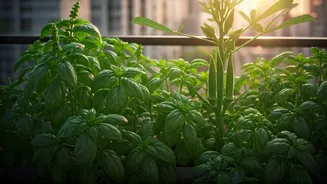
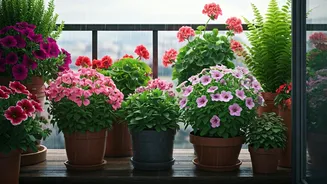
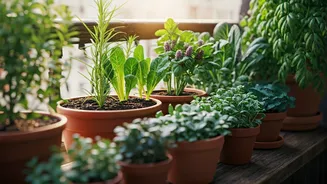
Finally, set yourself up for a win by choosing plants that are famously easy to grow from seed. Trying to start delicate orchids or finicky alpine flowers is an expert-level move. For your first attempt, build confidence with plants that want to live. For herbs, try basil, mint (in a container, as it spreads aggressively), or chives. For flowers, marigolds, zinnias, and cosmos are practically foolproof and provide a burst of color. For vegetables, bush beans and lettuce are quick to germinate and satisfying to harvest. Success breeds confidence, and your first successful crop will erase the memory of every failed seedling from the past.