
What Is Warm Minimalism?
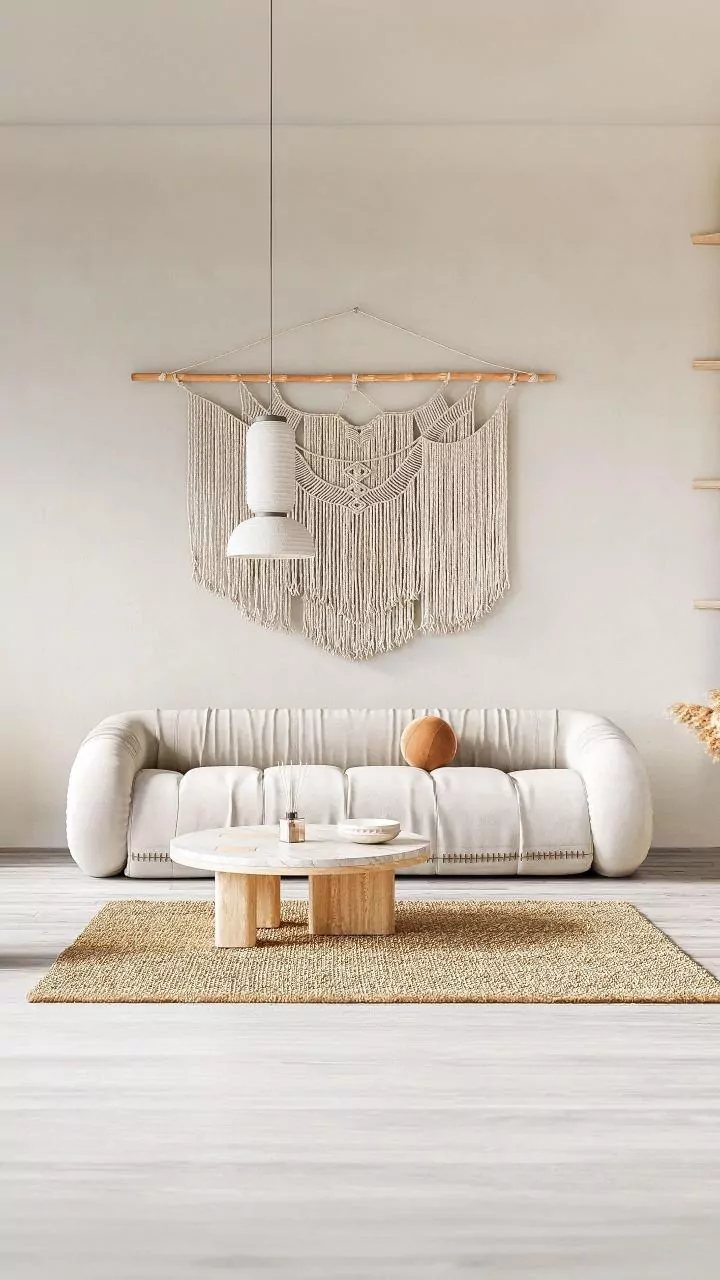
First, let’s clear up a misconception. Minimalism isn’t about living in a cold, empty white box. Warm Minimalism takes the core principle—'less is more'—and infuses it with comfort, personality, and nature. Think of it as the thoughtful intersection of simplicity
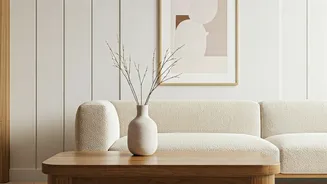
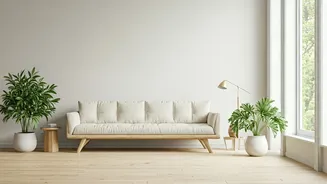
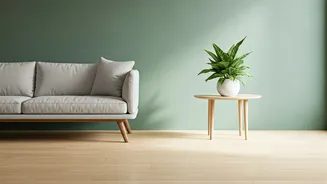
and coziness. Instead of stark whites and harsh lines, this style embraces soft, earthy tones like beige, taupe, cream, and terracotta. It favors natural materials such as wood, linen, wool, and rattan, which add texture and depth. The goal isn't to get rid of all your belongings, but to curate a collection of items that are either beautiful, functional, or deeply meaningful. It’s an intentional approach that creates an uncluttered yet inviting sanctuary.
It Creates a 'Commute' Without Leaving Home
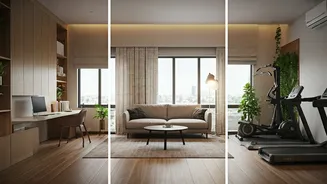
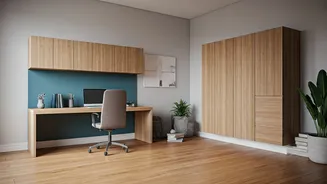
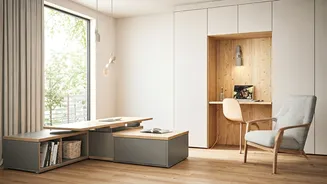
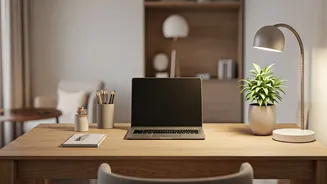
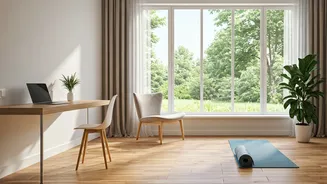
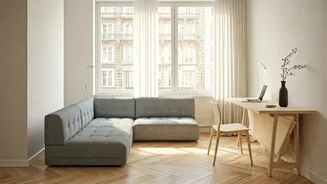
One of the biggest psychological hurdles for hybrid workers is the lack of separation between work and personal life. Without a physical commute, the brain doesn't get the clear signal to switch off. Warm Minimalism helps create this boundary through design. By designating a specific, clutter-free zone for work—even if it's just a corner of the living room—you establish a visual and mental border. The minimalist aspect keeps the area free of distracting household items, while the 'warm' elements, like a comfortable chair or a small plant, make it a pleasant place to be. At 5 p.m., tidying your desk and turning off the lamp becomes a ritual that signals the end of the workday, helping you mentally 'commute' back to your personal life.
It Reduces Decision Fatigue and Visual Noise
Your brain processes a constant stream of information, and a cluttered environment adds to that cognitive load. For someone toggling between Zoom calls, deadlines, and household tasks, this visual noise can be exhausting. Warm Minimalism acts as a quiet backdrop for a busy life. With fewer objects vying for your attention, your mind has more bandwidth for deep work and creative thinking. The pared-down, harmonious color palette is inherently calming, reducing the subconscious stress caused by visual chaos. This isn't about sterility; it's about strategic serenity. Your home becomes a tool for focus rather than a source of distraction.
It Champions Quality and Functionality
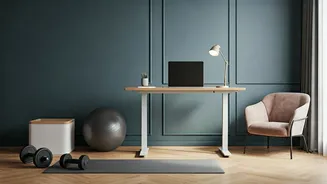
A hybrid work setup demands hardworking furniture and accessories. That flimsy desk or uncomfortable dining chair you're using simply won't cut it for the long haul. Warm Minimalism encourages you to invest in pieces that are both beautiful and built to last. The philosophy is 'buy less, but buy better.' This applies directly to your home office. Instead of a pile of cheap pens, you have one or two that you love to write with. Instead of a wobbly desk, you have a solid, well-crafted surface. This focus on quality and ergonomics not only enhances your productivity but also makes your workspace a place you genuinely want to be in, reducing the friction of starting your work-from-home days.
It Makes Your Home Feel Like a Retreat
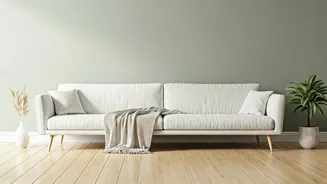
Ultimately, the goal of a hybrid schedule is flexibility and a better quality of life. Your home shouldn't feel like a 24/7 office. Because Warm Minimalism prioritizes comfort, texture, and personal touches, it ensures your living space remains a sanctuary. The soft throw blanket on your sofa, the handcrafted ceramic mug for your coffee, the art that you truly love—these elements are central to the style. They remind you that your home is a place for rest and rejuvenation, not just work. By embracing this approach, you create an environment that supports your professional goals during the day and nurtures your well-being at night, striking the perfect balance for the modern worker.