



The Gentle Fitness Revolution
For years, the wellness world equated progress with punishment: grueling HIIT sessions, punishing bootcamps, and the relentless pursuit of exhaustion. But a powerful counter-movement has gained incredible momentum. Enter gentle fitness, a philosophy centered
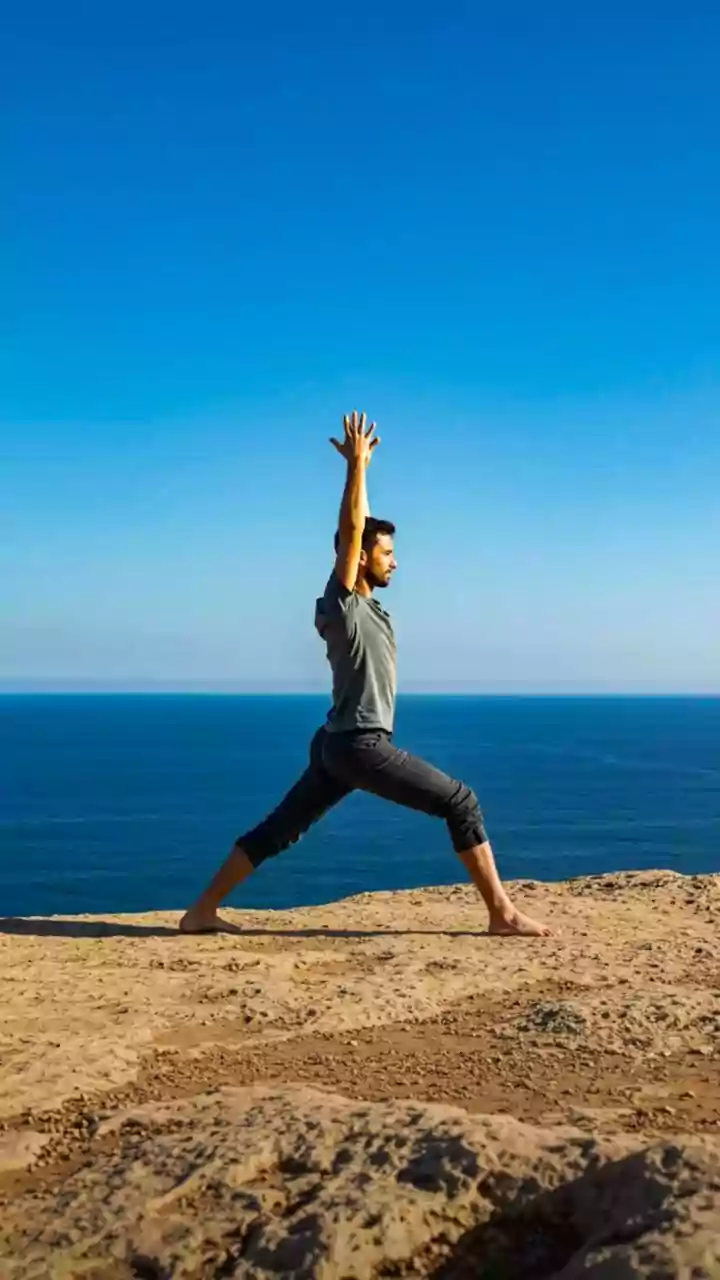
on low-impact, sustainable movement that nourishes the body instead of depleting it. Think yoga, Pilates, stretching, and, most importantly, walking. This shift isn't about being lazy; it's about being smart. Burnout culture has extended to our exercise routines, and people are now seeking longevity and mental peace over short-term intensity. Walking has emerged as the perfect antidote. It’s free, accessible to nearly everyone regardless of fitness level, and requires no special equipment. It aligns perfectly with a growing desire for activities that reduce stress rather than add to it, making it the cornerstone of this wellness revolution.
More Than Just Steps
While we’ve long been told to aim for 10,000 steps, the true benefits of walking go far beyond a number on a fitness tracker. The science is overwhelmingly positive. Regular walking is linked to improved cardiovascular health, lower blood pressure, and better weight management. It strengthens bones and muscles without the high-impact strain of running, protecting joints over the long term. But the mental health payoff is perhaps even more compelling. A daily walk, especially outdoors, has been shown to reduce symptoms of anxiety and depression, boost mood through endorphin release, and improve creative thinking. It provides a rare opportunity to disconnect from screens, process thoughts, and engage with the world at a human pace. It’s not just exercise; it’s a form of moving meditation that offers a powerful return on investment for both mind and body.
So, What Is the ‘2026 Upgrade’?
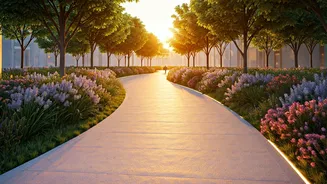
The “upgrade” mentioned in the headline isn't a single app or a new type of sneaker. It’s something much bigger: an upgrade to our environment. Across the U.S., a significant push is underway to make cities more pedestrian-friendly, and 2026 is shaping up to be a pivotal year. Major events, most notably the FIFA World Cup being co-hosted in cities from Los Angeles to Miami, are acting as powerful catalysts for urban transformation. Host cities are fast-tracking projects to improve walkability, expand greenways, and create safer, more appealing pedestrian corridors to accommodate the influx of visitors. This includes widening sidewalks, adding bike lanes that buffer pedestrians from traffic, planting more trees for shade, and improving public transit connections. This infrastructure boom isn't just for tourists; it’s a permanent investment in a more human-centric urban landscape. The 2026 deadline is forcing a tangible shift from car-centric design to one that prioritizes people on foot, effectively upgrading the walking experience for millions of residents.
A Cultural and Tech Shift, Too
This upgrade extends beyond concrete and asphalt. It’s also happening in our culture and technology. The viral “hot girl walk” trend on social media reframed walking as an act of self-care, confidence, and community. It’s no longer just a way to get from A to B; it’s a destination in itself. Walking groups, both informal and organized, are flourishing, providing social connection and motivation. Simultaneously, technology is making walking more engaging. Apps now offer guided audio walks with storytelling, historical tours, or mindfulness prompts. Advanced route-planning tools help users discover scenic, safe, and interesting paths in their own neighborhoods. Wearable tech provides gentle nudges and tracks progress in a way that feels encouraging rather than demanding. This fusion of culture and tech is adding new layers of enjoyment and purpose to the simple act of walking.