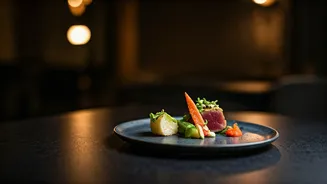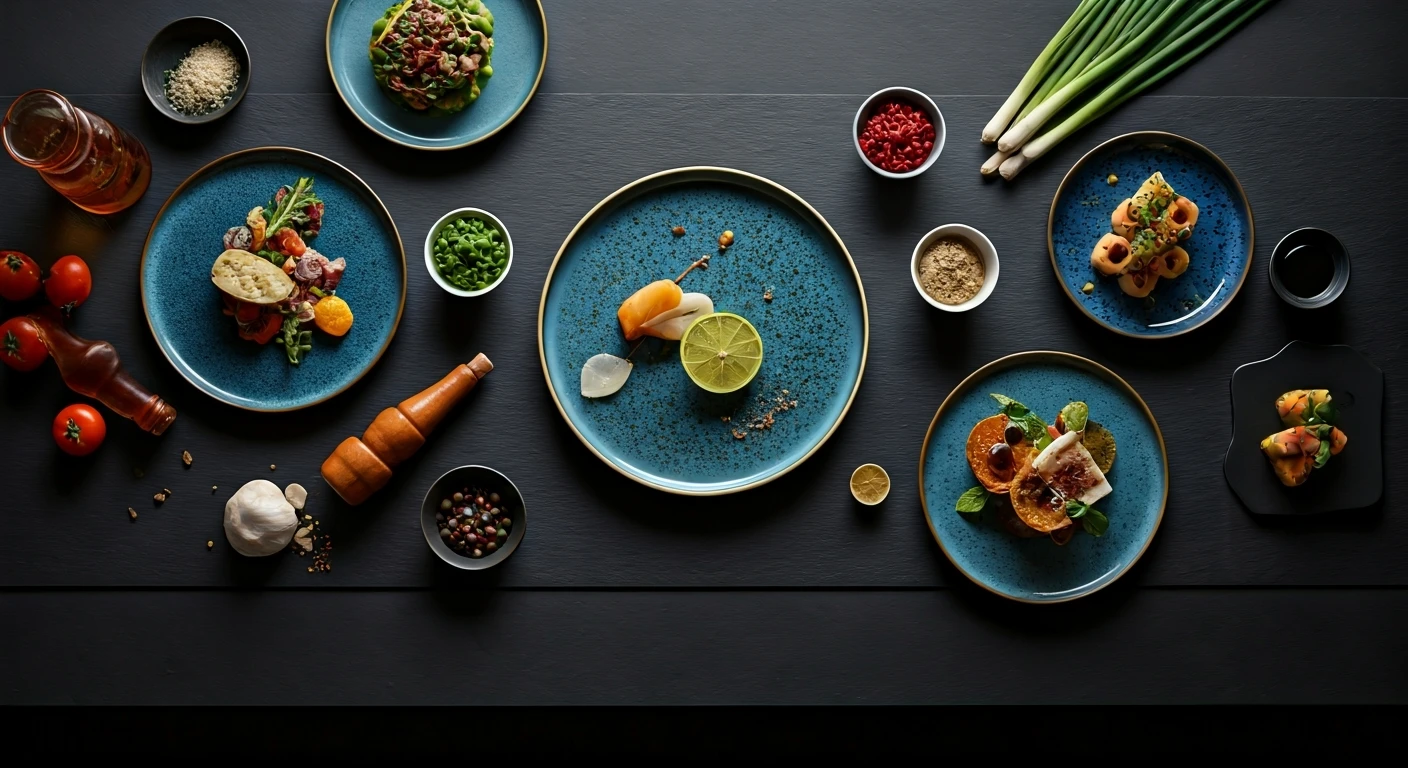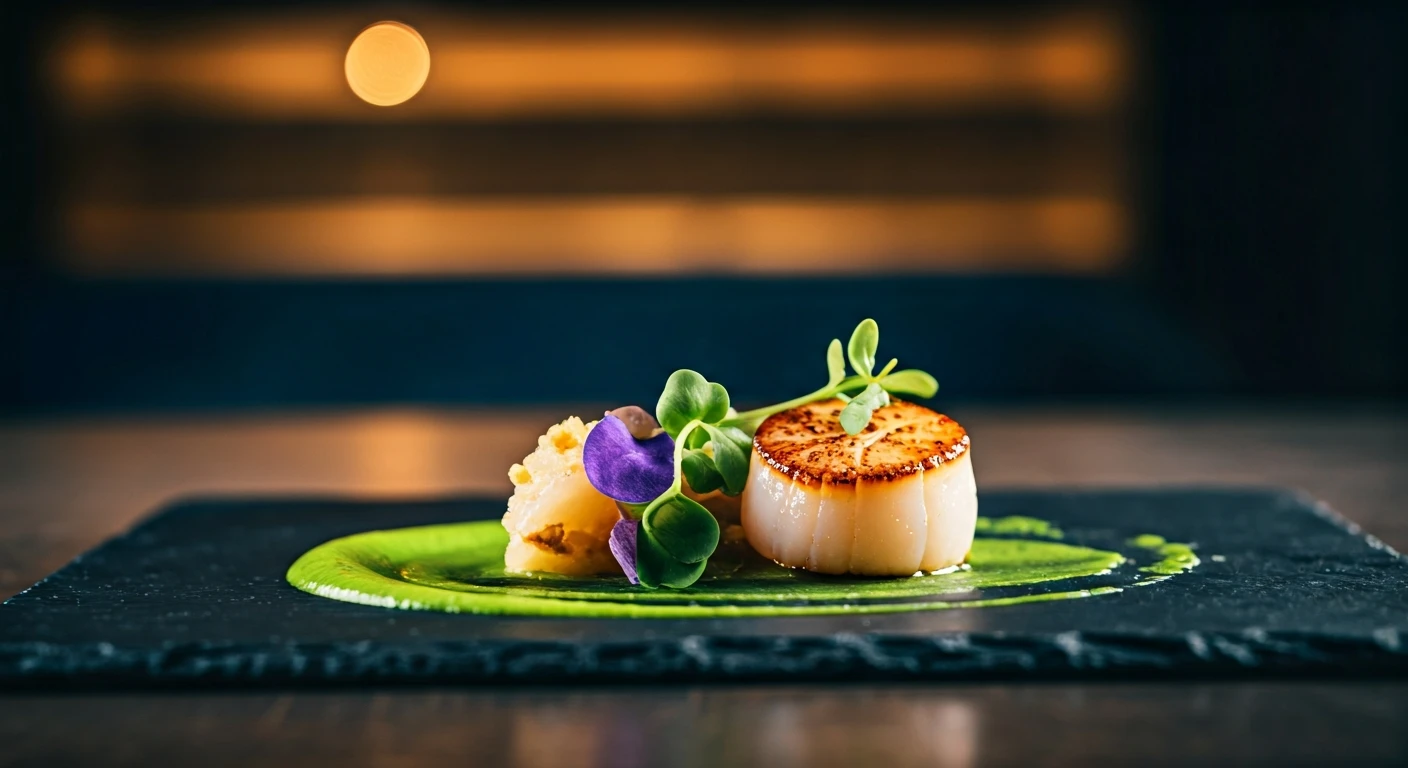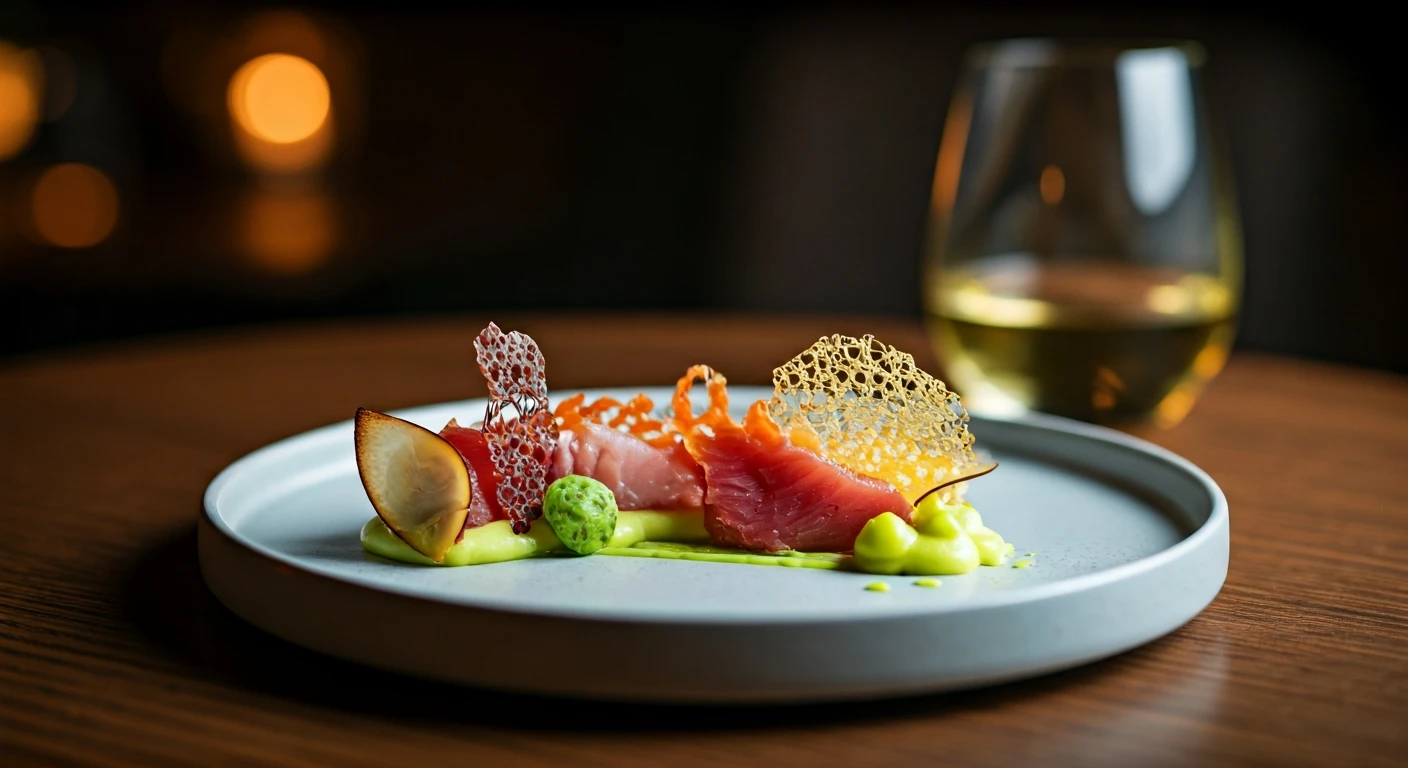

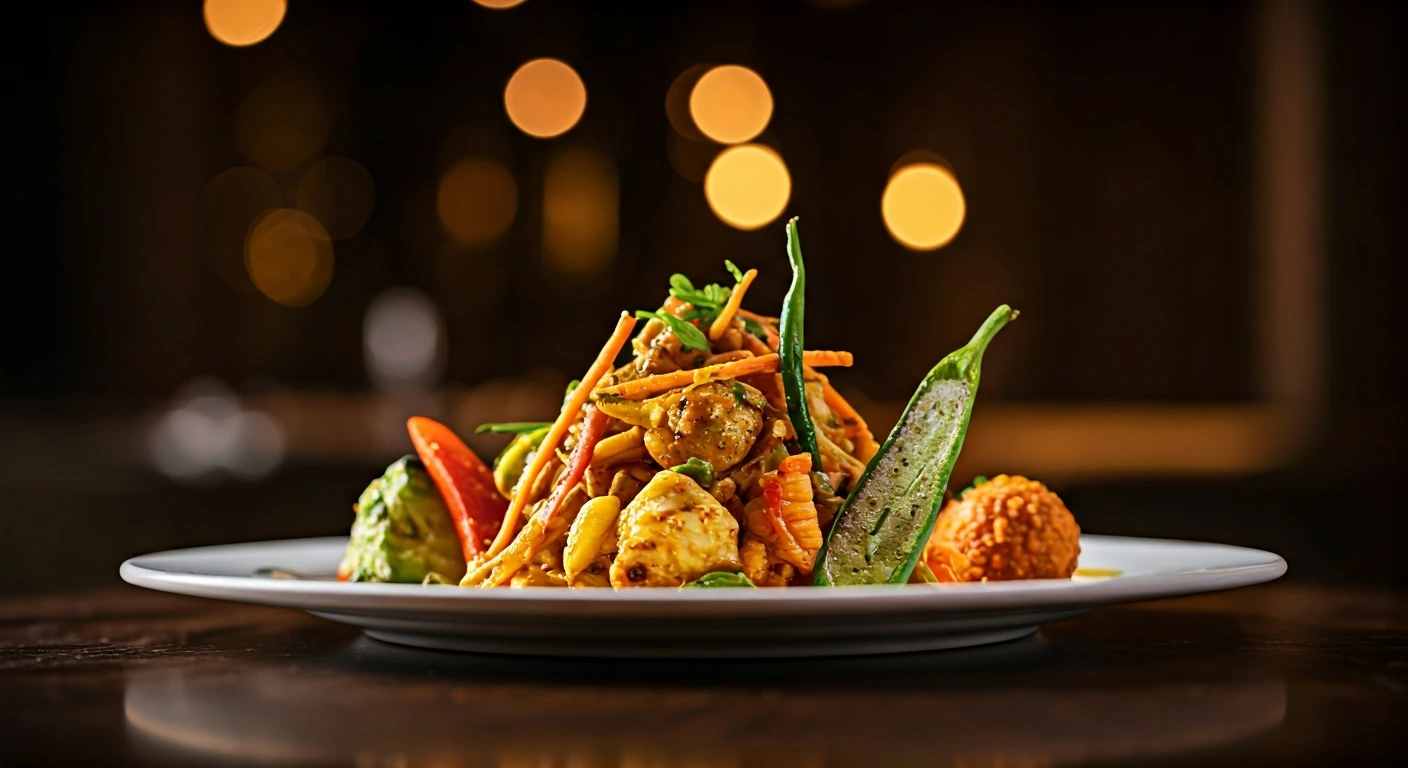
A New Definition of Dinner
For decades, the pinnacle of Indian dining in the U.S. was often a well-appointed restaurant serving beautifully executed, but fundamentally traditional, Mughlai or Punjabi fare. It was delicious, reliable, and fit a certain expectation. But in Mumbai,
New Delhi, Bengaluru, and Chennai, that expectation is being spectacularly dismantled. The new vanguard of Indian restaurants isn't just serving food; they are crafting narratives on a plate. We're talking 12-course tasting menus, wine pairings curated by expert sommeliers, and reservation lists that are booked out for months. Restaurants like Indian Accent in New Delhi, long a standard-bearer, set the stage by playfully deconstructing classics. Now, a new wave is taking it even further, earning Michelin stars and coveted spots on Asia's 50 Best Restaurants list, signaling a seismic shift in the global culinary landscape.
The Chefs Leading the Charge
This movement isn't happening in a vacuum. It’s driven by a generation of Indian chefs who are, for the first time in a big way, choosing to build their legacies at home rather than abroad. Many trained in the exacting kitchens of Europe, America, or Australia, mastering French techniques and minimalist aesthetics. But instead of staying in Paris or New York, they've returned, armed with global skills and a fierce passion for rediscovering their own culinary heritage. Chefs like Prateek Sadhu, formerly of Mumbai's celebrated Masque, became famous for his philosophical approach to sourcing from the Himalayas. Himanshu Saini of Dubai's Tresind Studio (and the all-vegetarian Avatara) creates theatrical, multi-sensory experiences that are both deeply Indian and undeniably avant-garde. They aren't just cooks; they are cultural ambassadors, excavating and elevating ingredients and ideas that were once confined to home kitchens or specific regions.
From Local Ingredients to Global Acclaim
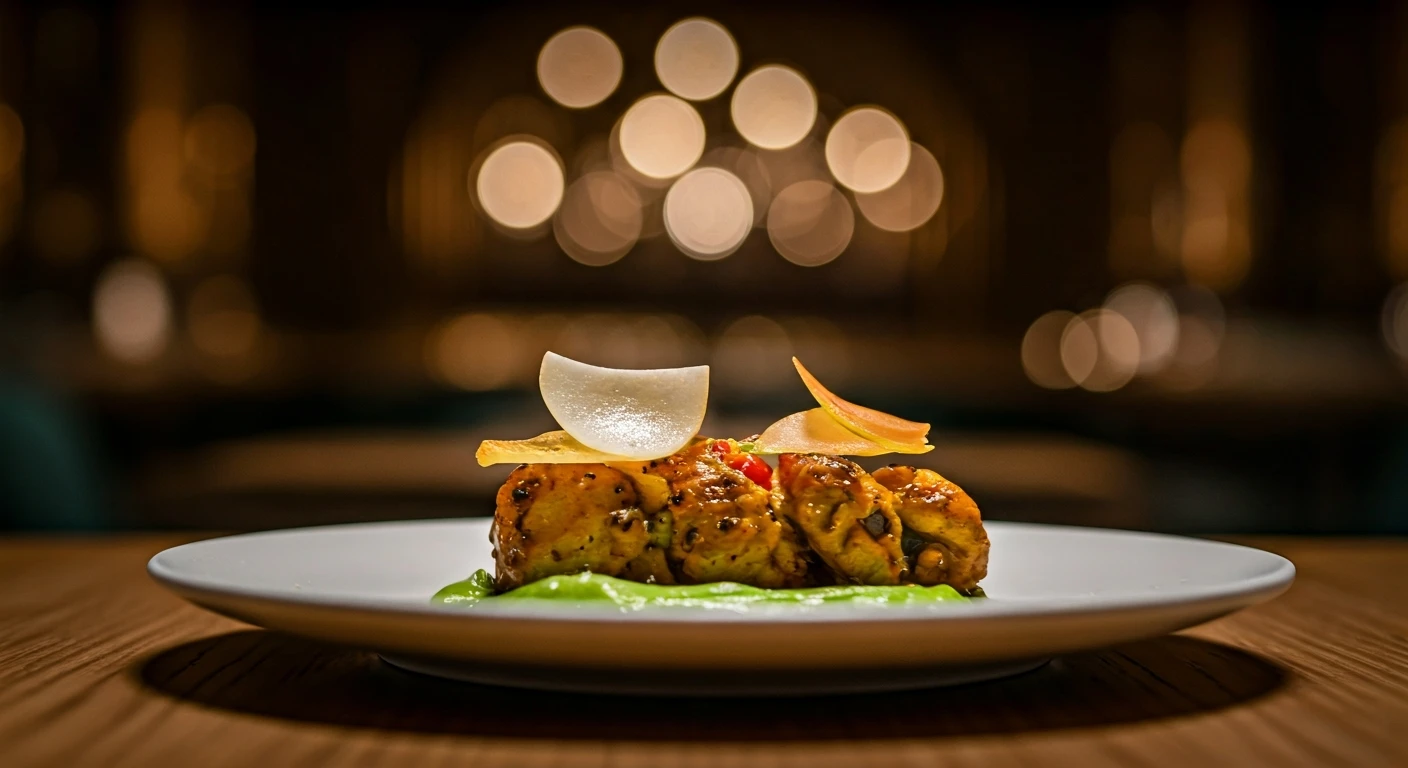
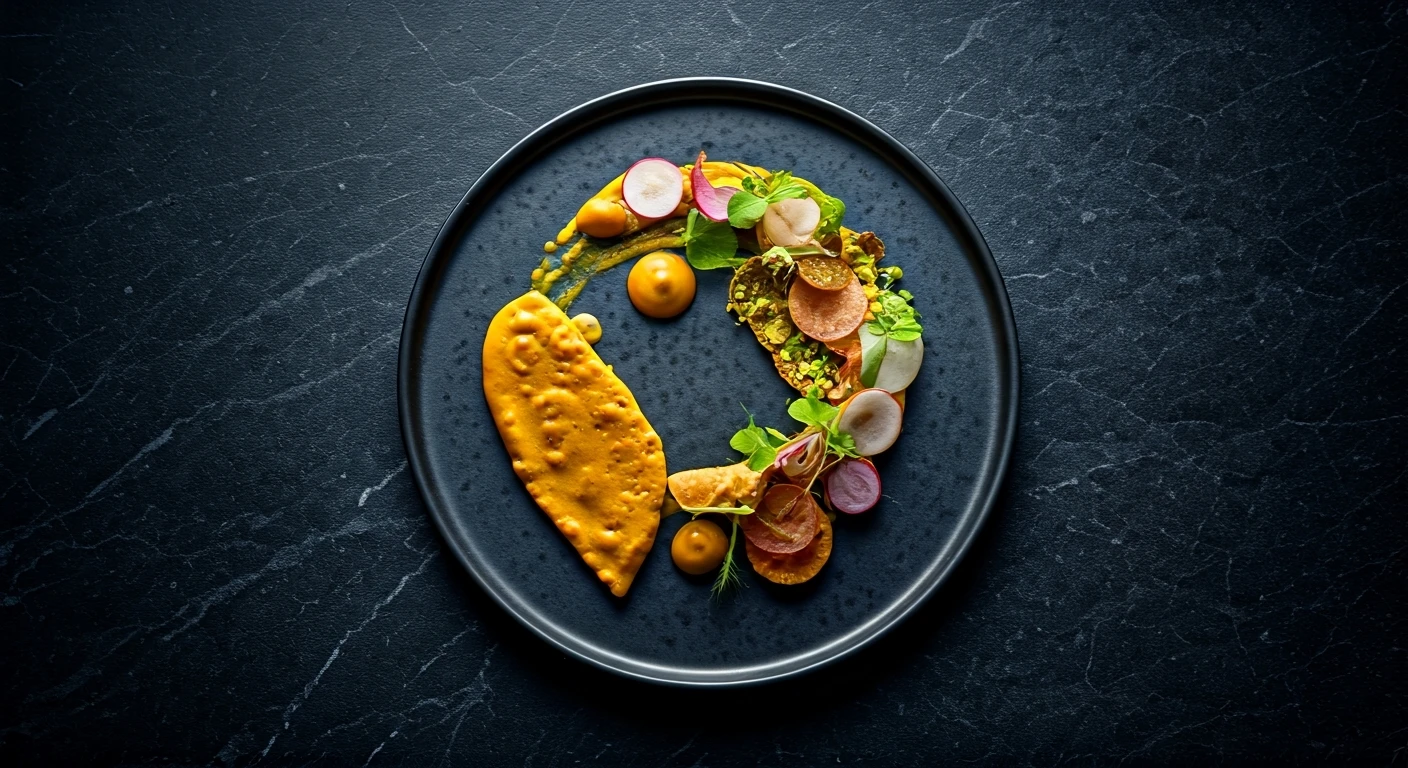
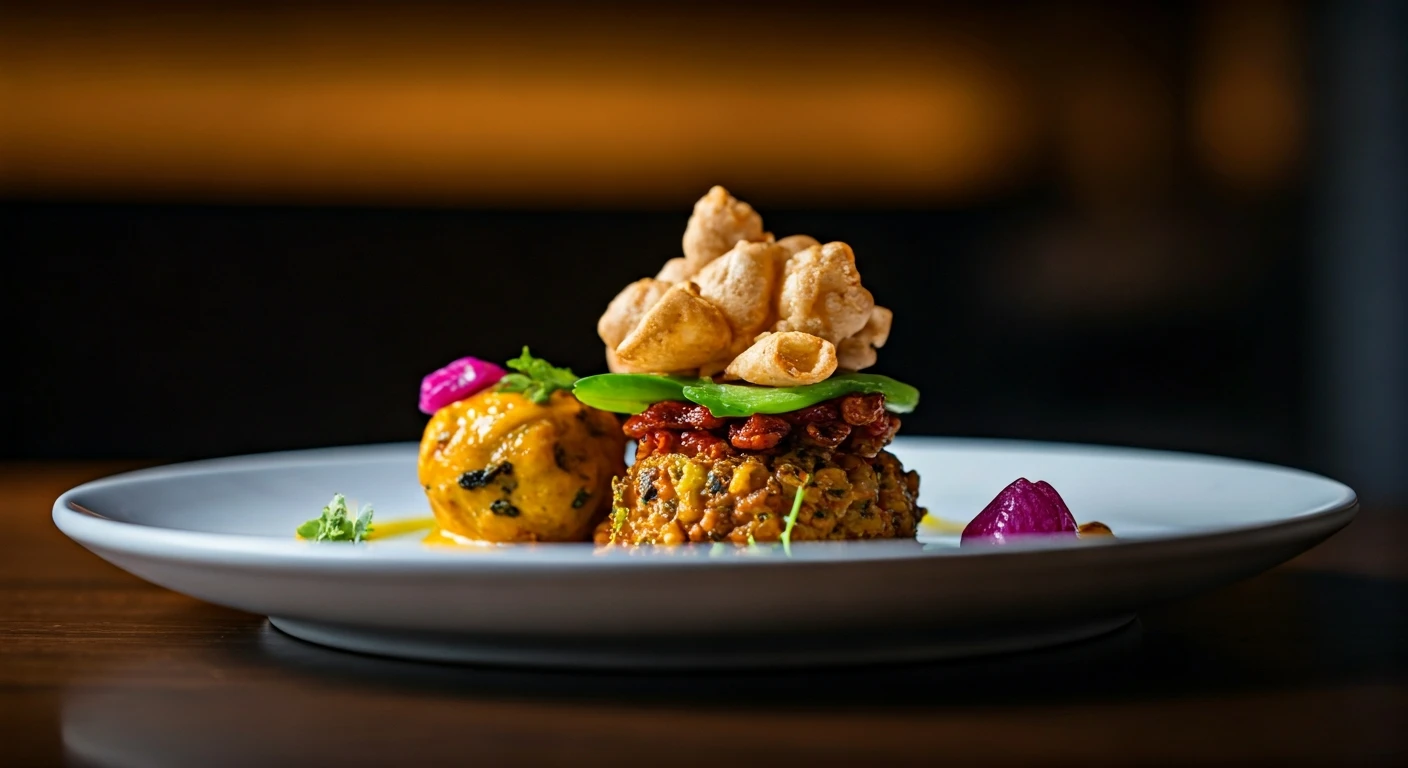
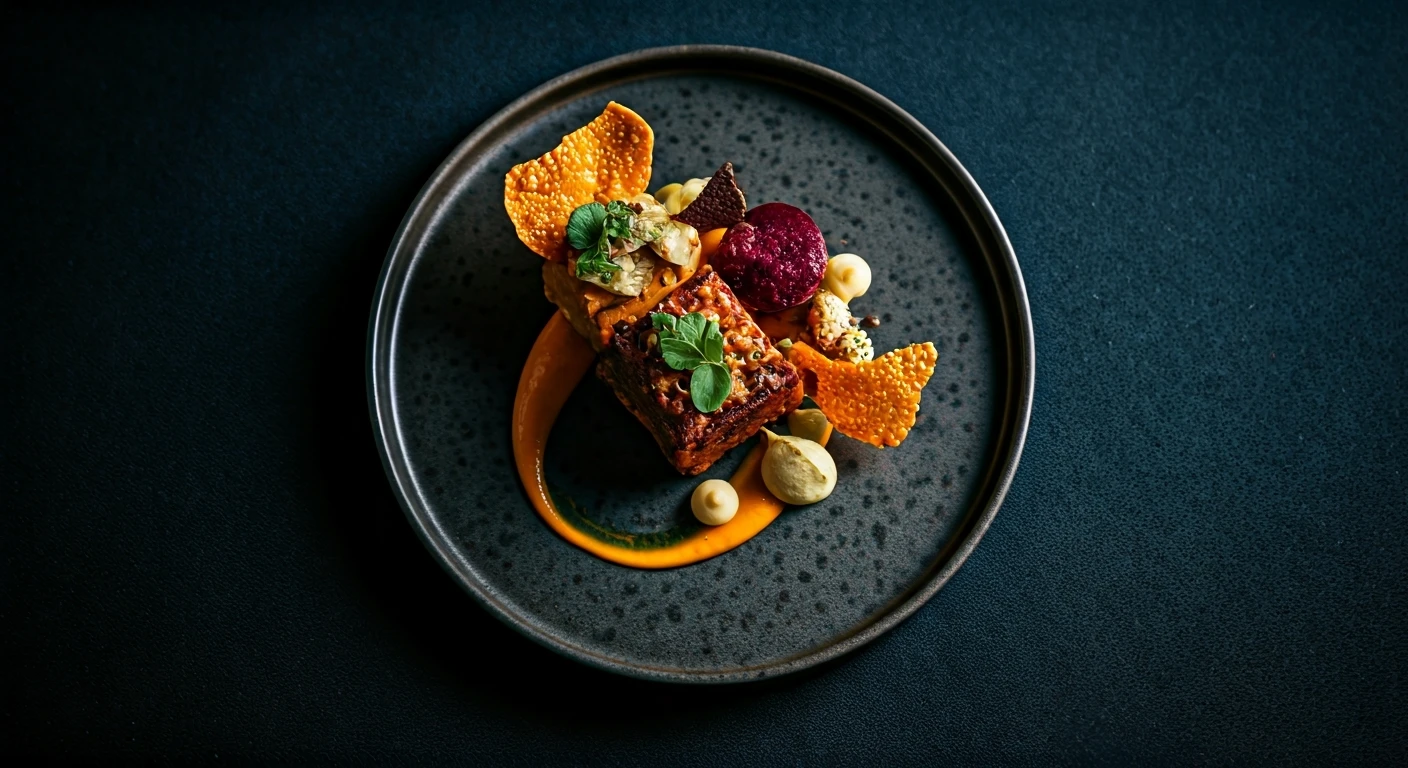
The food itself is a revelation. The focus is less on heavy sauces and more on the purity of ingredients, many of which are hyper-local and rarely seen outside their native regions. Imagine a dish built around sea buckthorn foraged from Ladakh, or one featuring black chak-hao rice from Manipur. These chefs are creating a new culinary grammar. A traditional dish like palak paneer (spinach with cottage cheese) might be reimagined as a delicate mousse with crispy spinach leaves. A simple street food snack could be elevated into a single, perfect bite that explodes with complex flavors. It’s a confident, forward-looking approach that honors the past without being enslaved by it. This isn't “fusion” in the dated 90s sense; it's a sophisticated, ingredient-driven philosophy that proves Indian cuisine can be as refined, complex, and elegant as any in the world.
More Than Just a Meal
This fine-dining boom is about more than just food; it’s a powerful symbol of a new India. It reflects the country’s growing economic confidence and the rise of a discerning, well-traveled urban class with disposable income and a hunger for novel experiences. For this new clientele, a meal at one of these establishments is a form of entertainment and cultural currency, much like a Broadway show in New York or a gallery opening in London. These restaurants are stunningly designed spaces, blending modern aesthetics with Indian craftsmanship. The service is impeccable. The entire experience is curated to make a statement: modern India has arrived, and it has its own distinct, globally relevant voice when it comes to luxury and culture.