



The Rise of 'Green Season' Travel
The idea of intentionally booking a trip during a region’s rainy season might sound counterintuitive. We’re conditioned to chase the sun, associating vacation with cloudless skies. Yet, the travel industry is seeing a notable shift. Tour operators and
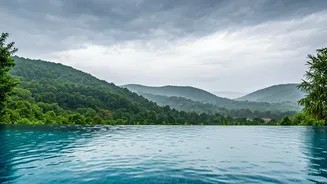
tourism boards are rebranding the monsoon as the 'green season'—a time of breathtakingly lush landscapes, dramatic skies, and, crucially, far fewer tourists. The benefits are compelling: flight and hotel prices often drop, popular sites are blissfully uncrowded, and the travel experience feels more authentic and serene. The key, however, is choosing destinations that have the infrastructure and geography to handle the downpours safely, turning the rain into a feature, not a bug. These aren't places where you'll be dodging floods, but rather sipping tea while watching a dramatic, soul-stirring storm roll over vibrant green hills.
Kerala, India: The Original Monsoon Retreat
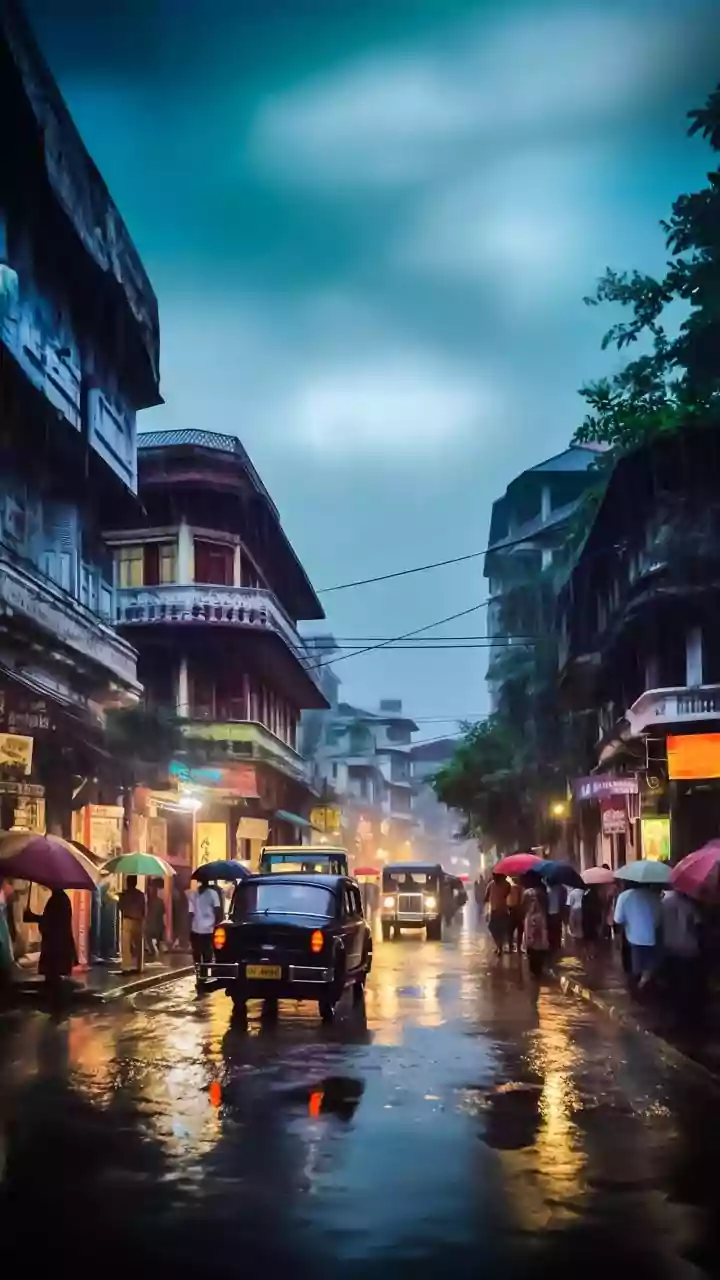
Often called 'God's Own Country,' the South Indian state of Kerala has long embraced its two monsoon seasons (from June to August and October to November). Instead of shutting down, the region comes alive. The rains wash the dust from the air, leaving behind emerald-green tea plantations and overflowing waterfalls. This is considered the best time for Ayurveda, the ancient Indian system of wellness. The theory is that the moist, cool air helps the body open its pores, making it more receptive to therapeutic oils and treatments. For travelers, this means cozying up in a comfortable resort, enjoying rejuvenating therapies, and watching the rain dance on the famous backwaters from the safety of a houseboat. While heavy rain is a given, Kerala's tourism infrastructure is well-prepared, with most activity centered in areas less prone to severe flooding.
Chiang Mai, Thailand: A Cooler, Greener North
While Thailand’s southern islands can be risky during peak monsoon, the northern city of Chiang Mai offers a different experience. From July to October, the surrounding mountains and rice paddies transform into a wonderland of stunning green hues. The rain typically comes in intense but short-lived afternoon bursts, leaving the mornings clear for exploring temples and the evenings cool and comfortable. This is the perfect time for 'café-hopping'—a favorite local pastime—or taking a Thai cooking class. The waterfalls in the nearby national parks, which can be underwhelming in the dry season, are thunderous and spectacular. It's a chance to see a side of Thailand that is far removed from the crowded beaches, offering a more peaceful and culturally rich escape without the oppressive heat of spring.
Tucson, Arizona: The Dramatic Desert Monsoon
You don’t have to fly across the world to experience a monsoon. The American Southwest has its own unique summer rainy season, typically from July to mid-September. In southern Arizona, the phenomenon is a celebrated event. The 'monsoon' here isn't a months-long drizzle; it's a dramatic display of nature's power. After a hot, dry day, colossal thunderheads build in the late afternoon, unleashing spectacular lightning shows and brief, intense downpours. The parched desert floor drinks it in, and the air is filled with the unique, earthy scent of creosote bushes after a rain. For visitors, it's a photographer's dream. It’s also a time of relative relief from the intense summer heat. And because the storms are usually short, they rarely derail plans, instead adding a memorable, dramatic punctuation mark to a day of exploring Saguaro National Park or the Sonoran Desert Museum.