
Anatomy of an Obsession
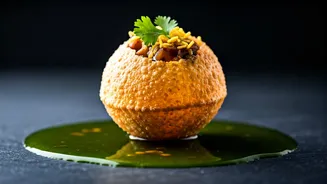
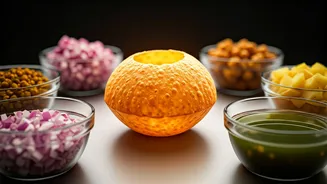
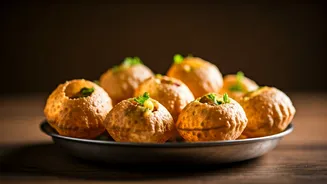
At its heart, pani puri is a simple concept executed with complex, explosive results. It starts with the puri, a small, hollow, and impossibly crisp sphere made from semolina or wheat flour, fried until it puffs up like a tiny, fragile balloon. This orb
is the vessel, the delivery system for the magic to come. A vendor, with practiced speed, gently taps a hole in the top of the puri with their thumb. Then comes the filling: a savory mix of boiled potatoes, chickpeas, or sprouts, seasoned with spices like cumin and chaat masala. Finally, the main event: the pani. This “water” is a vibrant, flavorful liquid, a tangy and spicy concoction of mint, cilantro, tamarind, green chilis, and a blend of secret spices. The filled puri is dunked into the pani, soaking up the liquid for a split second before being handed to you. There’s no time to waste; it must be eaten in one go.
The Art of the Single Bite
Eating pani puri is a ritual, not just an act of consumption. You stand at the vendor's cart, cup a small leaf bowl or plate in your hand, and prepare. The vendor works with the efficiency of a musician, assembling and serving one puri at a time. The unwritten rule is that each puri must be consumed in a single, decisive bite. To hesitate is to risk a soggy disaster, as the fragile puri surrenders to the spiced water within seconds. That single bite is a sensory overload in the best possible way. First, the crunch of the puri shell shattering. Immediately following is the cool, shocking flood of the pani, a wave of sour, spicy, sweet, and salty notes that washes over your palate. Finally, the soft, savory filling provides a comforting, starchy foundation. It’s a complete textural and flavor journey compressed into three seconds of bliss.
A Snack with Many Names
While the experience is universal across India, the name changes with the landscape, a testament to its deep regional roots. In Mumbai and parts of Western India, it’s known as pani puri, where the pani is often spicy and tangy. Head north to Delhi, and you’ll be asking for golgappe, where the water might be tangier and the fillings spicier. In Kolkata and Eastern India, it’s called puchka. Here, the puri is often larger and darker, and the potato filling is mashed with black salt and green chilis, creating a distinctively pungent and fiery flavor profile. Each region fiercely defends its version as the best, but they all share the same core DNA: a perfect, bite-sized explosion of flavor that brings people together.
The Ultimate Mood Fix
So why is it a “mood fix”? Because pani puri demands your full attention. For the few moments you’re standing at that cart, the world melts away. You’re not thinking about work emails or daily stresses. You’re focused on the next bite, on the symphony of flavors, on the race against sogginess. The sharp, tangy water jolts you awake. The satisfying crunch provides a visceral release. The communal nature of huddling around a cart with friends or strangers, all sharing the same fleeting moment of culinary delight, fosters a sense of simple, shared happiness. It’s a cheap, accessible, and immediate escape—a flavorful reset button for the mind and spirit. It’s not just food; it’s an experience that wakes up your senses and, for a moment, makes everything feel right.