





The Smart Thermostat: Your Home’s New Brain
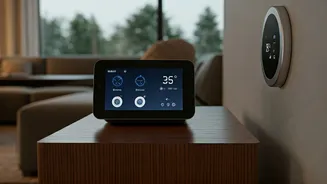
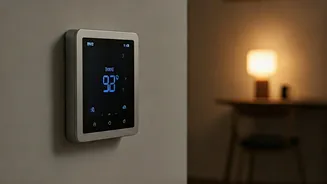
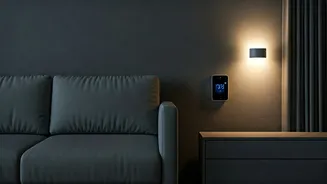
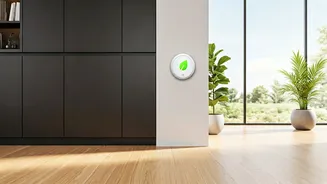
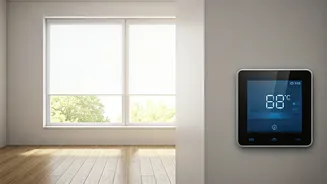
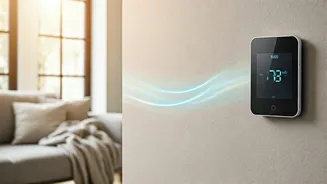
The smart thermostat is the cornerstone of any automated climate system. Unlike its manual predecessor, which required constant tinkering, a smart thermostat learns your household's patterns. It knows when you leave for work, when you typically go to bed,
and when you’re on vacation. Using this data, along with local weather forecasts, it optimizes your heating and cooling schedule to prioritize comfort when you're home and maximize energy savings when you're away. Brands like Nest and Ecobee can even detect humidity and suggest adjustments. The result is a home that’s always at the perfect temperature when you walk in the door, and an energy bill that’s noticeably lower—often saving homeowners between 10-15% on heating and cooling costs.
Automated Shades: Perfect Light and Temperature
Your windows are a major source of heat gain in the summer and heat loss in the winter. Automated blinds and shades turn this liability into an asset. These systems can be programmed to work in tandem with the sun's position throughout the day. In the summer, they can automatically close on sun-facing windows during the hottest hours, blocking solar radiation and reducing the load on your air conditioner. In the winter, they can do the opposite, opening up to let in sunlight and passively warm your home. Beyond temperature control, they offer effortless privacy and light management. Imagine waking up to gently rising shades instead of a blaring alarm—that’s a more liveable morning.
Smart Vents: Precision Climate Control
Most homes have that one room that’s always too hot or too cold. Smart vents offer a solution by giving you room-by-room control without a costly HVAC overhaul. These Wi-Fi-connected vent covers replace your standard ones and can be opened or closed automatically. By placing temperature sensors in each room, the system can direct airflow precisely where it's needed most. If the baby’s nursery is getting too warm during an afternoon nap, the system can close vents in the empty living room and push more cool air into the nursery. This not only solves stubborn hot and cold spots, creating more even and comfortable temperatures throughout the house, but it also stops you from wasting energy heating or cooling unoccupied spaces.
Air Quality Monitors: The Invisible Upgrade
Liveability isn't just about temperature; it’s also about the air you breathe. Modern homes are built to be airtight for energy efficiency, but this can trap pollutants like dust, allergens, VOCs from furniture, and CO2 from our own breathing. An automated indoor air quality (IAQ) monitor acts as a nose for your home. It constantly measures these invisible particulates and chemicals. When it detects poor air quality, it can automatically trigger other devices. For example, it could turn on a connected air purifier, activate the high-powered fan in your HVAC system to circulate air through a filter, or simply send an alert to your phone suggesting you open a window. This provides peace of mind and creates a healthier indoor environment.
The Power of a Unified System
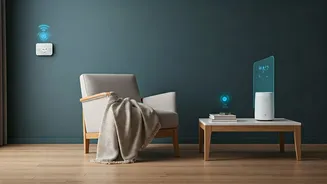
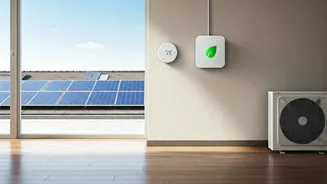
While each of these technologies is powerful on its own, their true potential is unlocked when they work together. A truly automated home climate system integrates them all. Your smart thermostat acts as the central command, taking data from your air quality monitor, window shades, and room-specific temperature sensors. When the afternoon sun starts beating down, the system doesn't just crank the AC; it first tells the shades to close. If one room remains warm, it directs the smart vents to compensate. This holistic approach is the ultimate expression of a “liveable” home—one that intelligently and silently manages its own environment to keep you comfortable, healthy, and efficient, freeing you to simply enjoy the space.