





The Preemptive Strike: Prepare Before It Pours
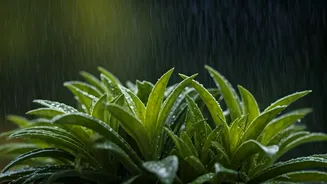
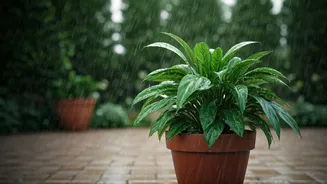
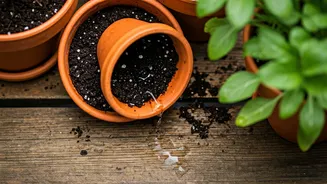
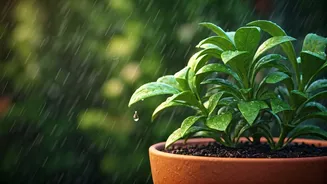
The best defense against a rainy spell happens before the first drop falls. Your primary goal is to ensure water has somewhere to go. For container plants, this is non-negotiable. Tip your pots and check that drainage holes are clear of obstructions like
rocks or compacted soil. If a pot lacks holes, now is the time to drill some or consider it a last-resort cache pot, not a permanent home. For in-ground gardens, especially those with heavy clay soil, this is a good time to assess low-lying areas that tend to become puddles. While you can't regrade your whole yard before a storm, you can identify at-risk plants. Consider moving potted plants that are sensitive to overwatering, like succulents and rosemary, to a covered porch or under an eave. A little relocation now can prevent a world of hurt later.
During the Deluge: Triage and Protect
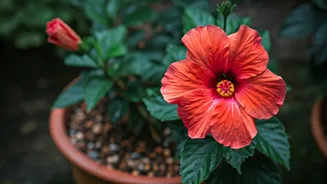
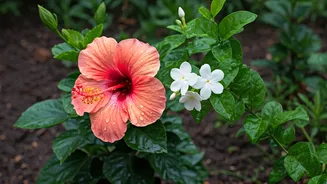
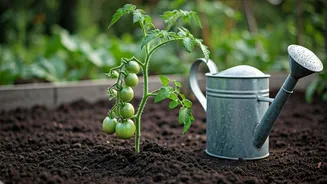
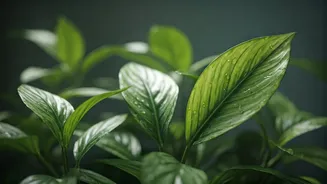
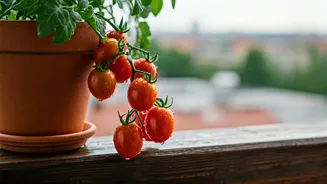
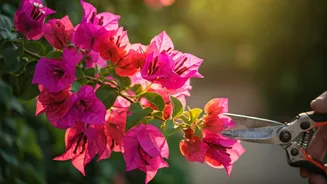
As the rain settles in for a few days, your role shifts from preparation to monitoring. Resist the urge to 'rescue' plants in the middle of a downpour unless absolutely necessary. Instead, focus on triage. Identify your most vulnerable assets. Newly planted annuals, vegetables prone to blight (like tomatoes), and any container without perfect drainage are your top priorities. If possible, grouping smaller, sensitive pots under a patio table can provide temporary shelter without a full-scale evacuation. For prized tomatoes or roses in the garden, a simple, temporary 'tent' made from stakes and a plastic sheet (angled to shed water away from the plant's base) can reduce the risk of fungal diseases that thrive on wet foliage. The key is to reduce the amount of time leaves stay wet and prevent the soil from becoming a complete swamp.
The Aftermath: Assess Damage and Aid Recovery
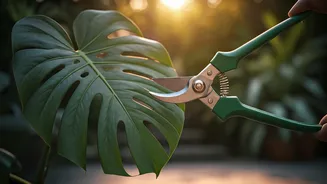
Once the sun returns, your work begins. The first and most crucial task is to empty any and all saucers, cache pots, or decorative containers holding standing water. Your plants' roots cannot survive sitting in a pool of water; this is how root rot begins. Gently tip larger pots to drain excess water from the soil. Don't be tempted to fertilize immediately. Heavy rains can wash away nutrients, but soggy roots are stressed and unable to absorb them, and fertilizer can burn them. Wait at least a week for the soil to dry out. Instead, focus on airflow. If you have containers you can move, shift them to a breezy, sunny spot to help the soil dry faster. Prune any yellowing leaves or damaged stems to improve circulation and remove potential entry points for disease. Keep a close eye out for new arrivals: slugs and snails love the damp conditions, so you may need to deploy your preferred method of pest control.
Special Ops: Tailor Your Strategy by Plant
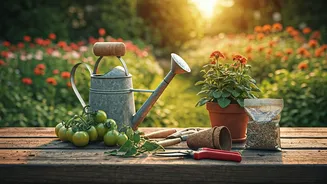
Not all plants are created equal in their tolerance for a good soak. Your strategy must adapt to your garden's population. **Succulents and Cacti:** These are your most vulnerable soldiers. They are adapted to dry conditions and are prime candidates for root rot. Move them to a completely covered, dry location at the first sign of extended rain. **Vegetables and Herbs:** Tomatoes and basil hate having wet leaves, which encourages fungal diseases like blight and powdery mildew. Ensure they have good air circulation. Root vegetables like carrots are generally fine, but leafy greens can be battered by heavy drops. **Tropical Plants:** Plants like ferns, caladiums, and monsteras often love the humidity and extra water, mimicking their native rainforest environment. As long as their pots are draining well, they will likely thrive. **Established Perennials and Shrubs:** For the most part, well-established plants in the ground can handle summer storms. Their extensive root systems are more resilient, but keep an eye on any that are in poorly drained spots.