








A City Reimagines 'Green'
When Americans think of massive festivals, sprawling multi-stage events like Coachella or Lollapalooza often come to mind. But halfway across the world, in the bustling metropolis of Bengaluru—often called the “Silicon Valley of India”—a different kind
of gathering is taking root. Here, an Earth Festival isn’t just about escaping the city; it’s about reimagining life within it. Powered by a potent mix of art, food, and music, these events are less about celebrity headliners and more about a collective, creative response to one of the 21st century's biggest challenges: how to live sustainably in a rapidly growing urban world. Bengaluru is a city of immense contrasts—a hub of global technology that coexists with deep-rooted traditions. This festival is a perfect reflection of that identity, blending a modern, global consciousness about the environment with distinctly local forms of expression.
The Visuals of Conscious Creation
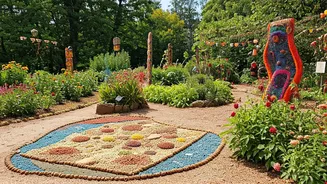
Forget pristine white-walled galleries. Here, creativity is tangible and interactive. You might see a giant sculpture woven from thousands of discarded plastic bottles, its iridescent surface shimmering in the sun, forcing a moment of reflection on urban waste. Nearby, artisans demonstrate how to turn fabric scraps into stylish accessories or how traditional pottery techniques can be used to create water-purifying vessels. These installations and workshops are designed to be both beautiful and thought-provoking. They transform the abstract concept of “sustainability” into a physical reality, showing attendees that eco-friendly choices can be innovative, resourceful, and deeply creative. It’s a powerful message: waste isn't an endpoint, but a potential beginning for something new.
A Menu That Tastes Like the Earth
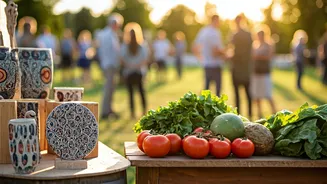
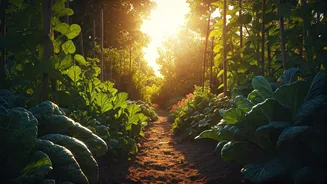
In a country renowned for its complex and delicious cuisine, the food at an Earth Festival is a headline act. The stalls are a world away from generic festival fare. Instead, they celebrate a philosophy of eating that is local, seasonal, and deeply connected to the land. You’ll find chefs and home cooks championing ancient grains like millet and sorghum—crops that are drought-resistant and nutrient-rich, offering a sustainable alternative to water-intensive rice and wheat. Menus are often plant-forward, showcasing the incredible diversity of Indian vegetarian cooking. Dishes are served not in single-use plastic, but on biodegradable plates made from fallen leaves. It's a culinary experience that feeds the body and the soul, reminding festival-goers that the most flavorful food is often the one that’s grown with care and respect for the environment. It connects the global “farm-to-table” movement with India’s own rich agricultural heritage.
The Soundtrack to a Movement
Music is the festival's heartbeat, and its rhythm is a unique fusion of old and new. On one stage, a soulful folk singer from a nearby village might captivate the crowd with ballads about nature, played on a traditional hand-carved instrument. On another, a popular indie rock band might belt out anthems of urban angst and hope, their lyrics touching on themes of social responsibility. This deliberate blend is central to the festival's ethos. It suggests that the path forward requires honoring the wisdom of the past while embracing the energy of the future. The music isn't just background noise; it's the unifying force that brings together a diverse crowd—from tech workers and college students to families and activists—under a shared banner of positive change. It provides the emotional resonance for the festival's core message, turning a series of talks and exhibits into a true celebration.