



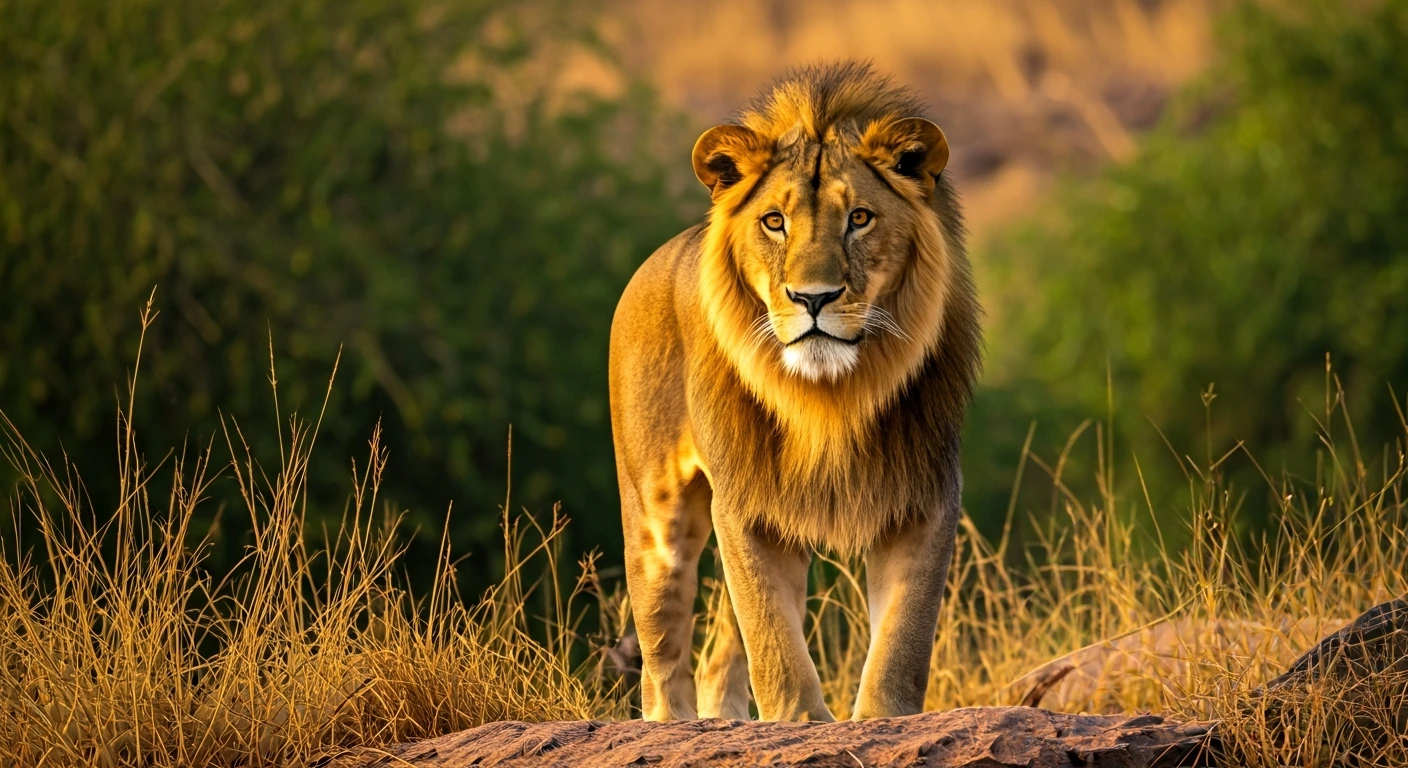
The Last Call Before the Monsoon
The primary reason for the frantic energy in Gir National Park each June has little to do with animal behavior and everything to do with the sky. Every year, around June 16th, the park closes its gates to all visitors. It remains shut for four months,
until mid-October, as the monsoon season unleashes transformative rains across the region. This annual closure makes the first two weeks of June the final, fleeting window for anyone hoping to witness the park's famous inhabitants. For wildlife photographers and dedicated travelers, it’s a now-or-never proposition. The 'rush' is a pilgrimage to the ticket counter before Mother Nature hangs a 'closed' sign on one of the world's most unique ecosystems.
When Heat Works In Your Favor
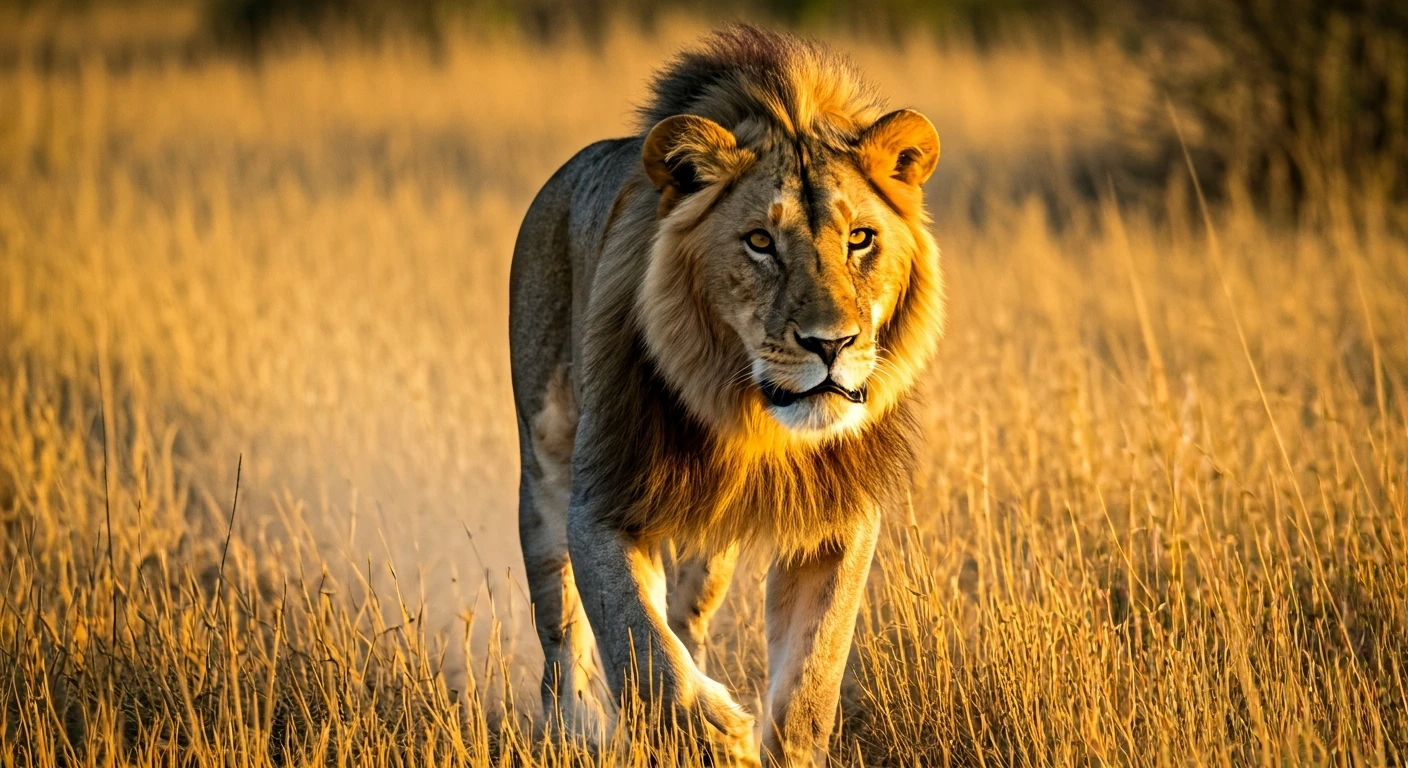
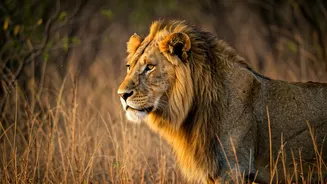
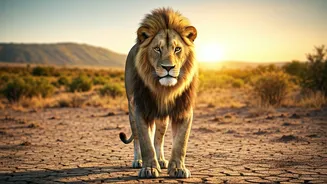
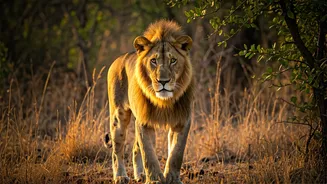
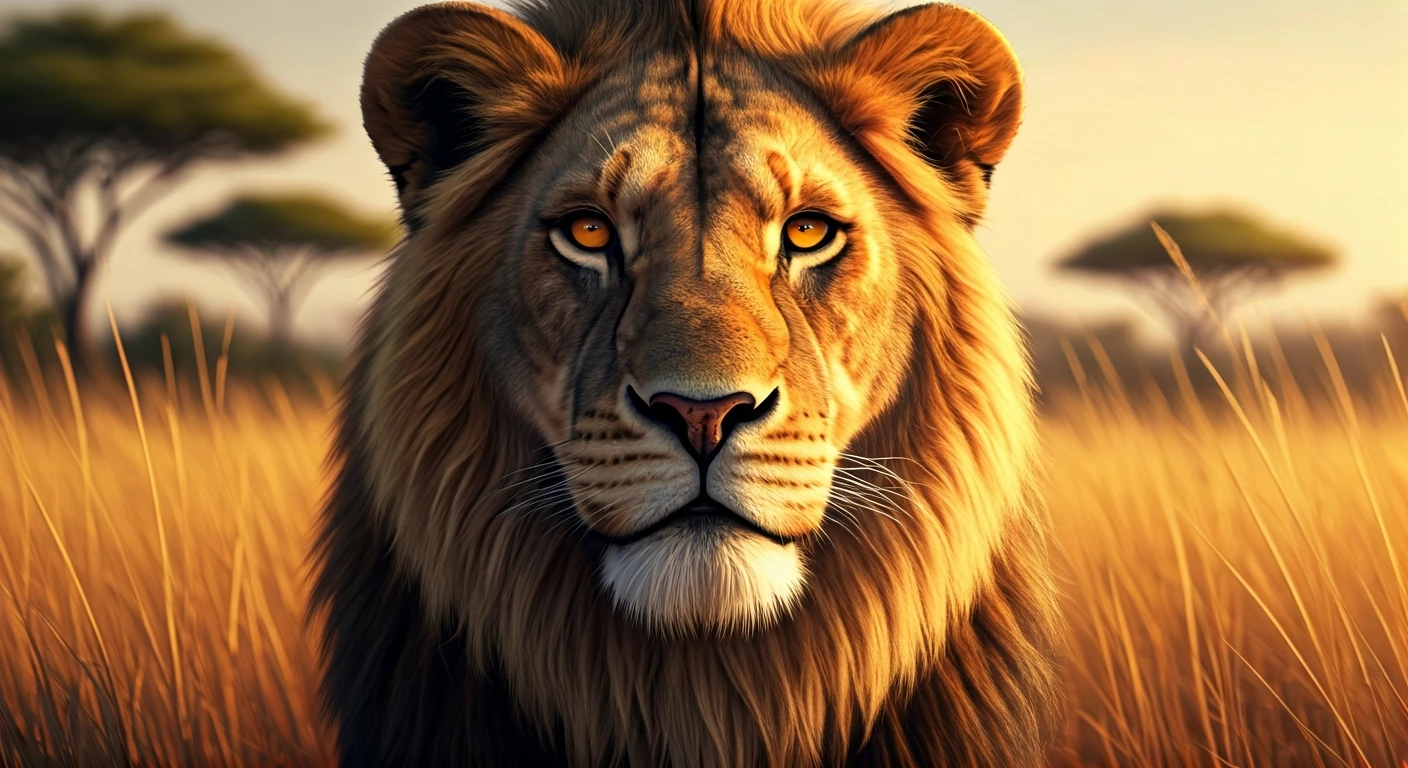
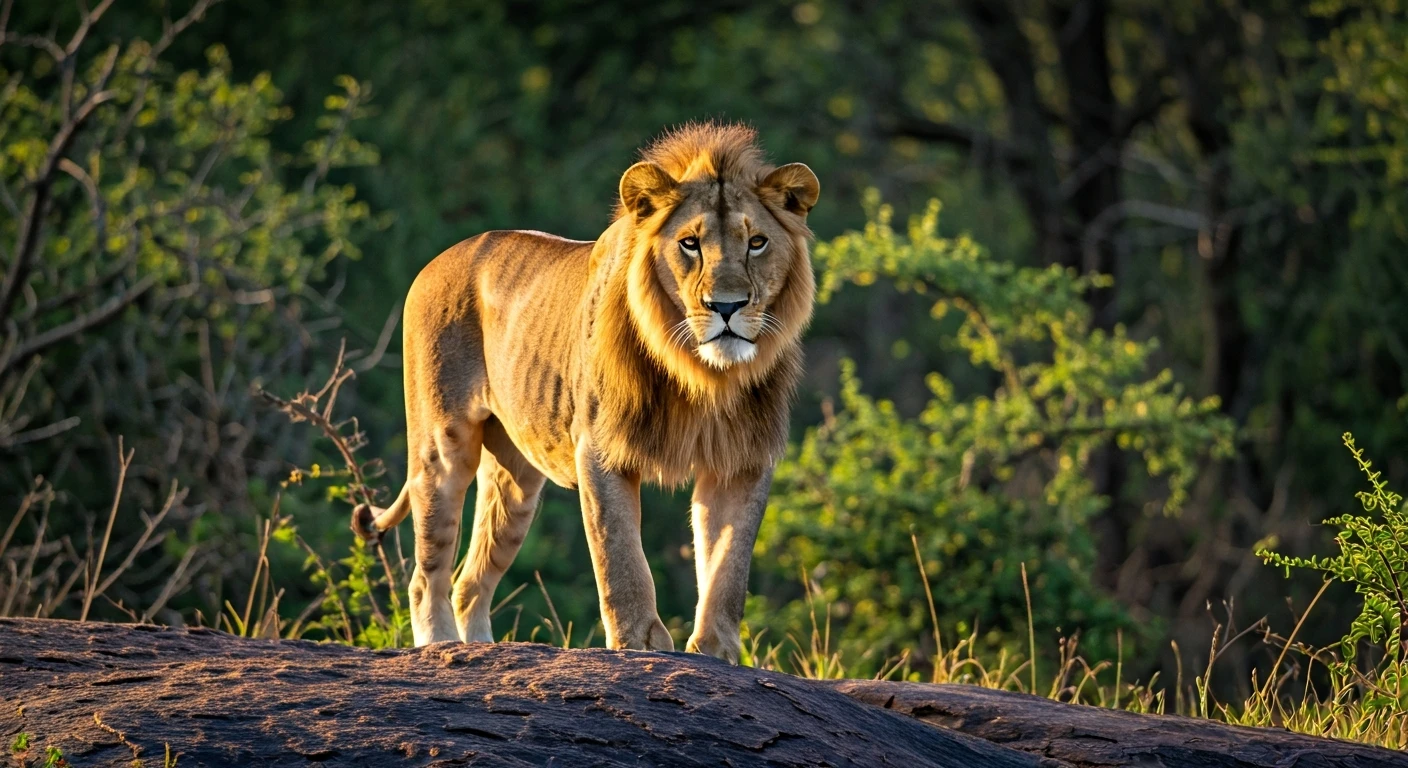
While the pre-monsoon heat can be punishing for humans, it creates a perfect storm for wildlife viewing. As temperatures soar above 100°F, the park's smaller streams and ponds evaporate, leaving only a few key waterholes. This scarcity funnels the entire ecosystem toward these life-sustaining oases. Deer, wild boar, and antelope congregate near the water, and where the prey goes, the predators follow. For safari-goers, this means the odds of a spectacular sighting increase dramatically. Instead of searching across vast, dense forests, guides know exactly where the action is likely to be. The lions, seeking relief from the heat and a reliable meal, become more predictable, often seen lounging in the shade near the water's edge, creating breathtaking and intimate viewing opportunities.
A Kingdom Unlike Any Other
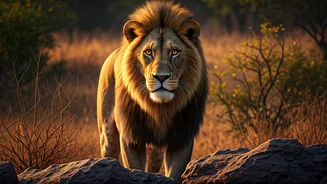
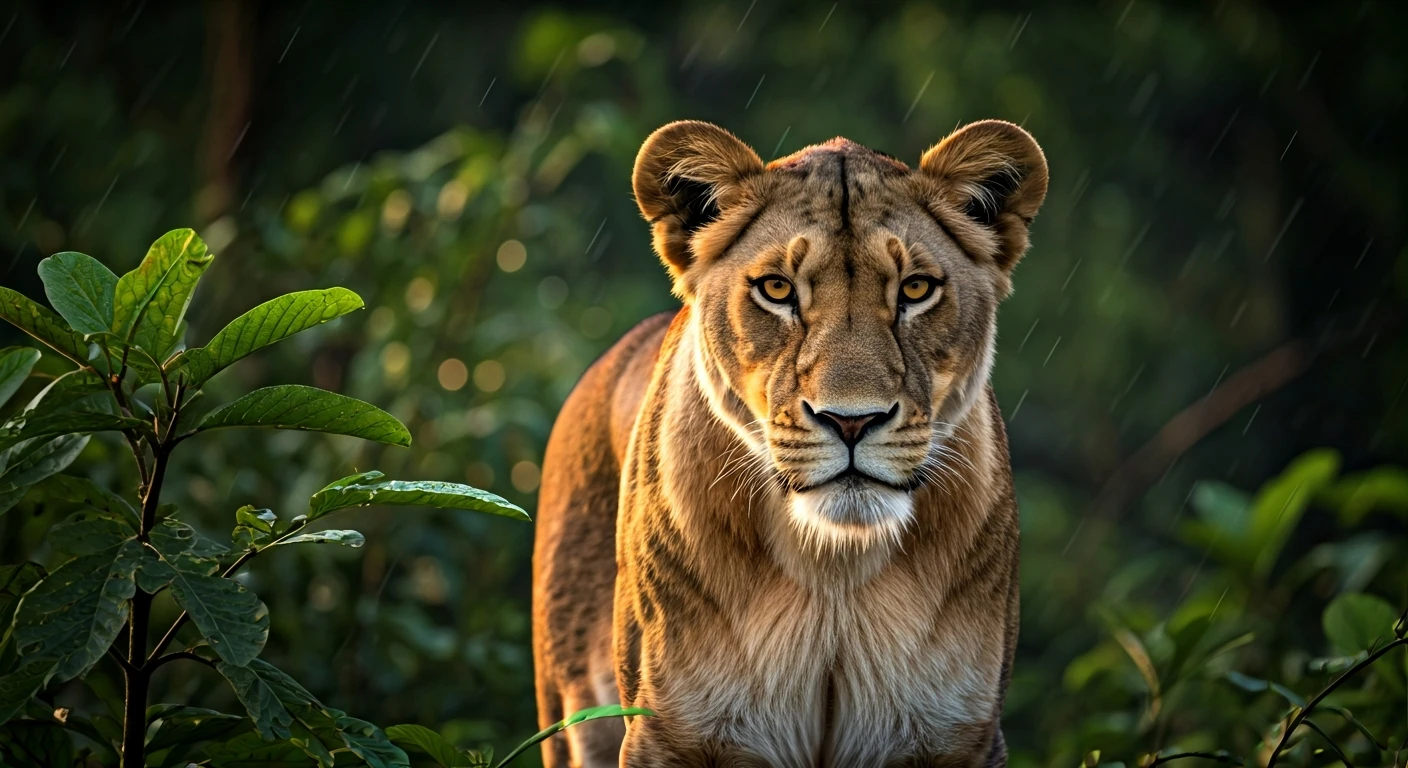
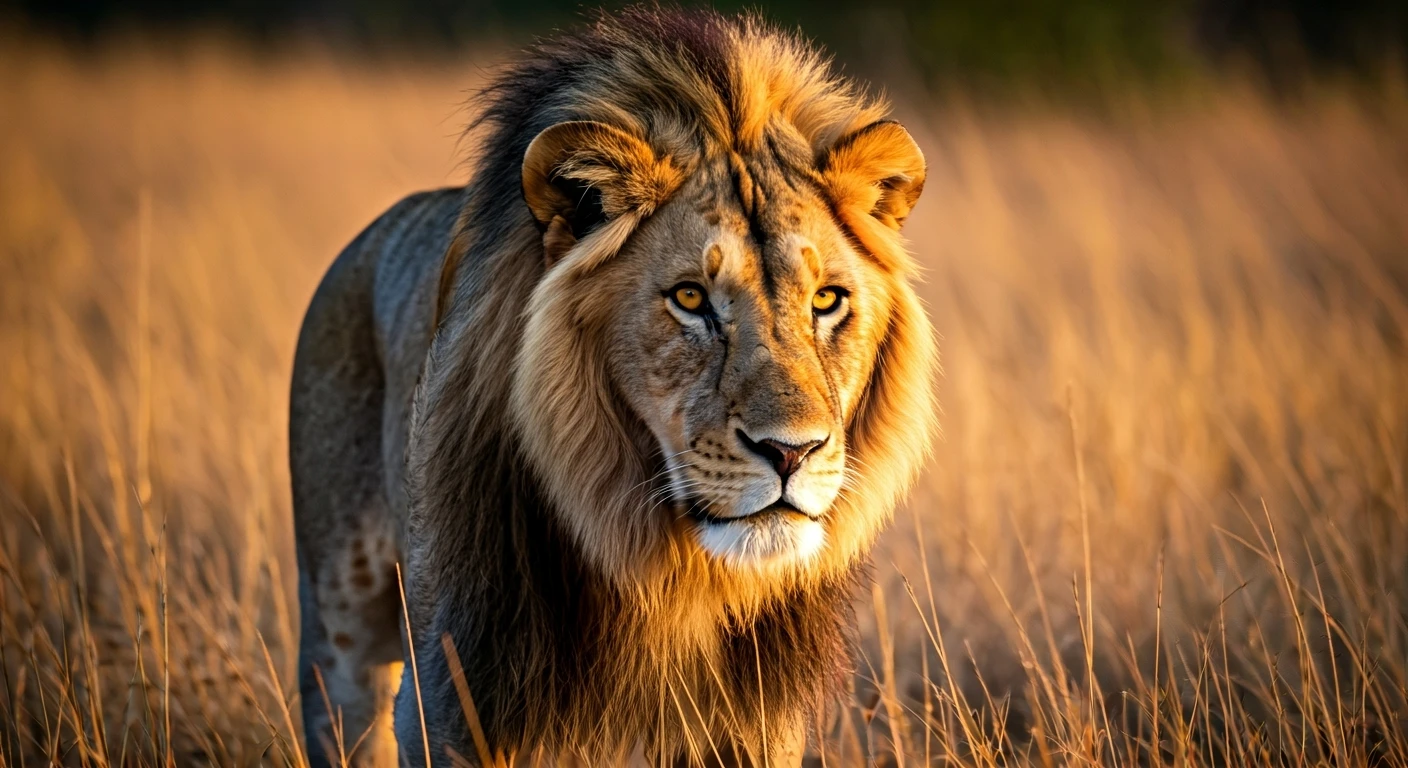
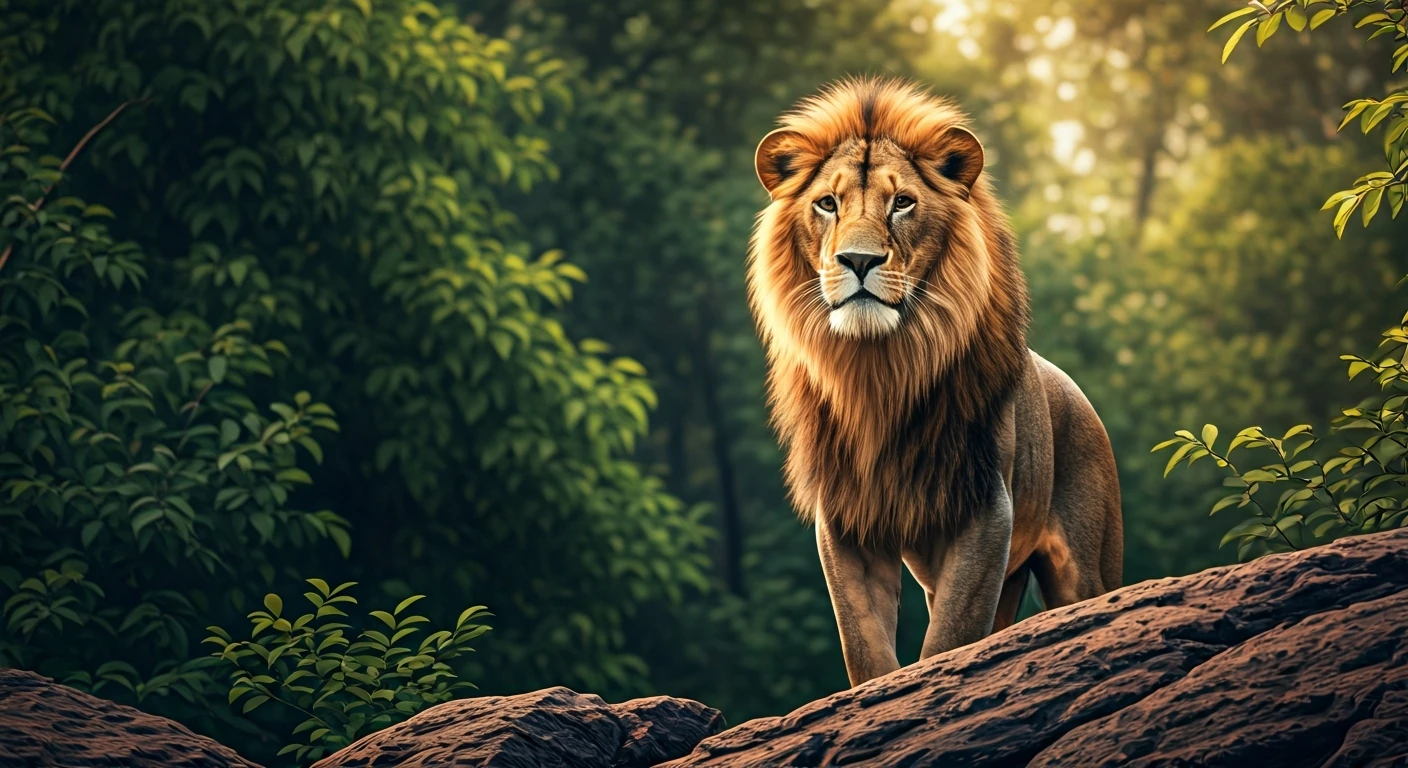
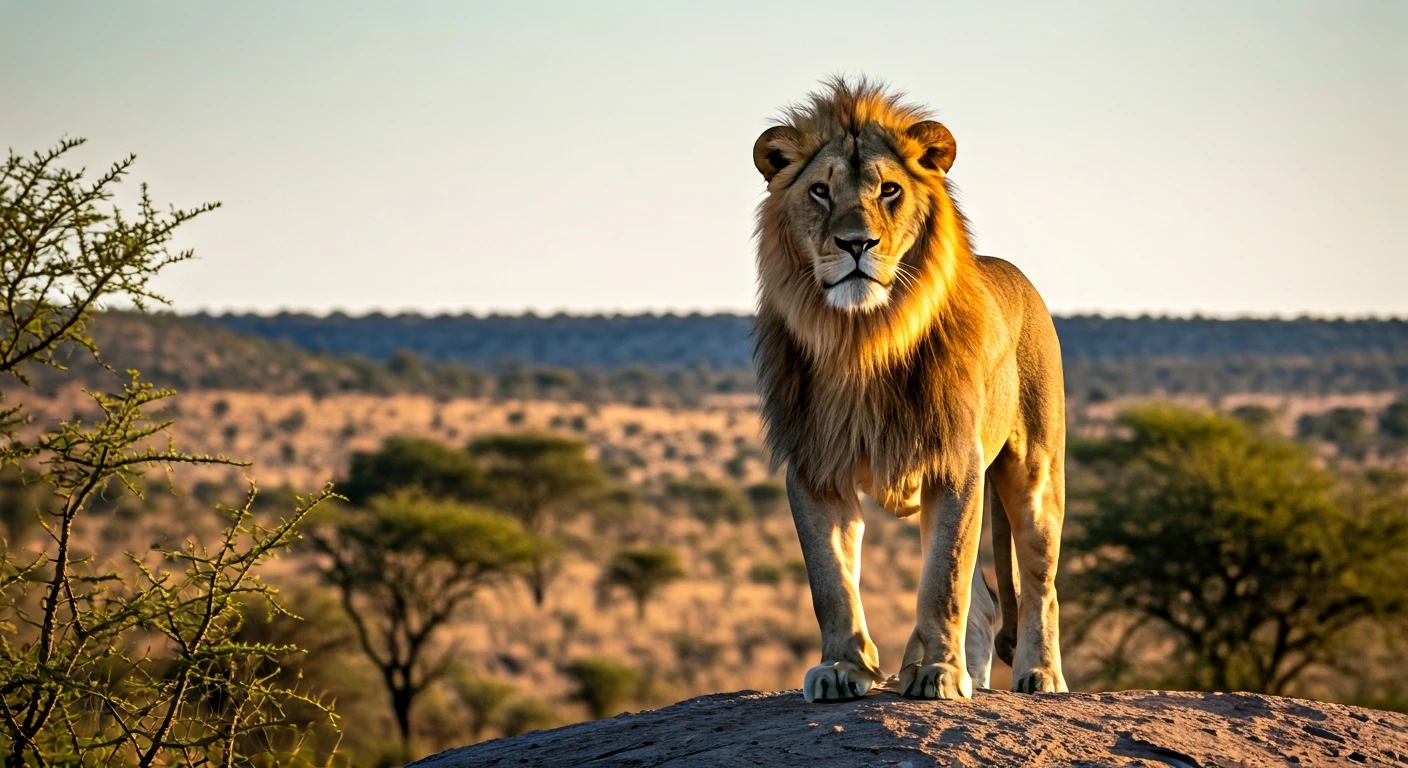
A safari in Gir is fundamentally different from one in Africa. This isn't just about seeing a lion; it's about seeing *the* Asiatic lion. Gir National Park is the last wild refuge for this subspecies, which once roamed from the Middle East to Eastern India. A successful conservation story has brought their numbers back from a perilous low of just a few dozen in the early 20th century to over 600 today. But their entire global wild population lives within this one protected area. This adds a layer of profound significance to every sighting. You aren’t just observing a magnificent predator; you are witnessing a living, breathing miracle of conservation in its only remaining natural home. The lions of Gir also coexist with local Maldhari herdsmen, creating a unique human-animal dynamic rarely seen elsewhere.
Navigating the Rush Hour
If the promise of a near-guaranteed lion sighting sounds appealing, you won't be alone. The June rush means permits and safari jeeps are in high demand. Booking well in advance is not just recommended; it's essential. Safari permits are often released online months ahead and sell out quickly for this peak period. Visitors should also be prepared for the climate. Lightweight, breathable clothing, wide-brimmed hats, and plenty of water are non-negotiable. The safaris typically run in the early morning and late afternoon to avoid the worst of the midday sun, but the heat remains a constant factor. The crowds are part of the experience, a shared sense of urgency and excitement among people from around the world who have all come for one last look at the kings of Gir before the rains wash the tracks clean.