


An Island in a Hurry
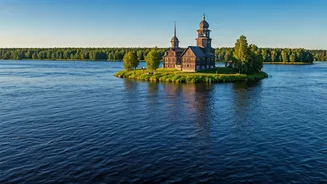
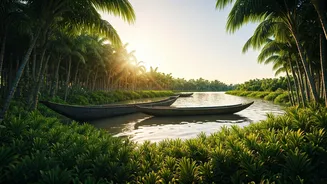
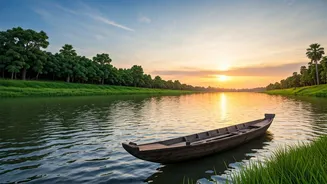
Majuli isn’t just any island; it’s the world’s largest river island, a sprawling, verdant landmass nestled in the mighty Brahmaputra River in the Indian state of Assam. For centuries, it has been a relatively stable sanctuary of culture and agriculture.
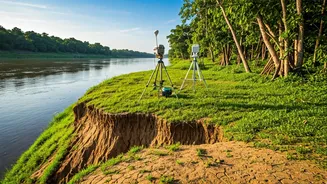
But that stability is gone. Aggressive erosion, exacerbated by climate change and upstream dams, is eating away at Majuli’s shores at an alarming rate. Since the mid-20th century, the island has lost more than a third of its landmass. What was once over 480 square miles is now closer to 135, and shrinking. This constant state of flux makes Majuli a living laboratory for geographers, hydrologists, and climate scientists. It’s a real-time case study of river dynamics, land loss, and the direct impact of environmental change on a vulnerable population, making it an irresistible draw for researchers who want to see these textbook processes unfold before their eyes.
A Unique Cultural Ecosystem
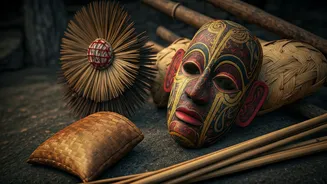
What elevates Majuli from a mere geographical curiosity to a place of profound importance is its cultural heartbeat. For 500 years, the island has been the global center of Neo-Vaishnavism, a monotheistic stream of Hinduism. This culture is housed in unique institutions called *Sattras*—part monastery, part center for the arts. Within the walls of these serene, bamboo-and-thatch compounds, monks preserve and practice traditional music, devotional dance (known as *Sattriya*), and the intricate craft of mask-making. These aren't dusty relics; they are living traditions passed down through generations. The Sattras function as the spiritual and cultural anchors for the island's communities. The threat of the river isn’t just about losing land; it’s about the potential erasure of a unique, self-contained cultural universe. This precarious situation offers a compelling, if heartbreaking, subject for ethnographers and anthropologists studying cultural resilience, adaptation, and preservation in the face of existential crisis.
The Perfect Research Storm
So, why the “explosion” in interest? Because Majuli represents a perfect storm of academic disciplines. It’s a one-stop shop for critical research questions. An environmental scientist can study erosion patterns. A sociologist can study how communities relocate and reorganize when their villages are washed away. An agricultural expert can study the unique flood-resistant rice varieties grown here. An anthropologist can document the oral histories and artistic traditions of the Sattras before they are irrevocably altered. The island is a microcosm of the 21st century's biggest challenges: climate change, resource management, cultural survival, and human displacement. For academic circles, a place where all these forces visibly intersect is the ultimate field site. The urgency adds another layer; the research isn’t just academic, it’s a race against time to document a world before it’s gone.
Beyond the Field Notes
This wave of academic travel is more than just tourism with a thesis. The data collected here contributes to global models of climate change and informs policy debates on internally displaced “climate refugees.” The attention from international scholars also brings a spotlight to Majuli, raising its profile and bolstering local and national efforts to secure its nomination as a UNESCO World Heritage Site—a designation that could bring resources for preservation. However, this interest isn’t without complication. Researchers are keenly aware of the ethical tightrope they walk. They are not just observing data points; they are documenting the lives of people facing immense loss and uncertainty. The goal for many is not simply to publish papers but to collaborate with the Mising, Deori, and other local communities to find sustainable solutions and ensure the knowledge preserved in the Sattras survives, even if the land itself continues to change.