


Beyond the Butter Chicken Stereotype
For many Americans, the experience of South Asian food has long been filtered through a very specific lens: the North Indian or Punjabi restaurant menu, often a holdover from British curry house culture. Think creamy butter chicken, dense naan, and rich,
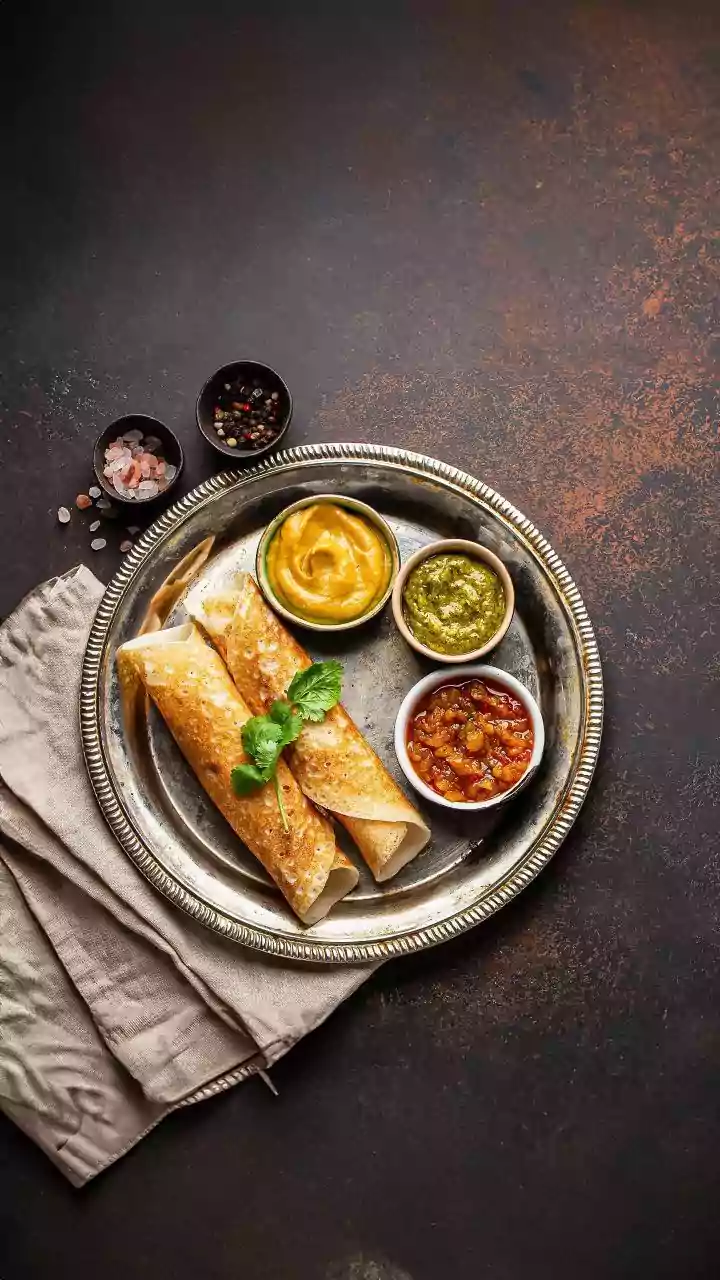
ghee-laden dal makhani. While delicious, these dishes represent a tiny fraction of the subcontinent's staggering culinary diversity and have cemented a reputation for being delicious but heavy—food for a special occasion, not for a Tuesday night. This perception, however, is rapidly becoming outdated. A new generation of Desi-American chefs, cookbook authors, and home cooks are pushing back against this monolithic view. They are championing a different kind of cooking—one that reflects the food they actually grew up eating at home, which was often far lighter, more vegetable-forward, and regionally specific than anything found on a typical restaurant buffet.
The New Weeknight Warriors
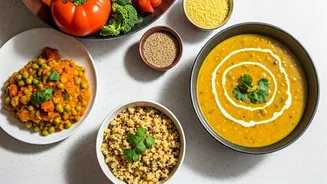
One of the biggest drivers of this shift is a practical one: lifestyle. As second- and third-generation Desi Americans build their own kitchens, they're adapting traditional recipes for modern, health-conscious, weeknight-friendly realities. The goal is to capture the soul of the flavors they love without the hours of simmering or the cup of heavy cream. Priya Krishna’s influential cookbook, *Indian-ish*, is a perfect testament to this movement. It’s filled with recipes that ingeniously adapt traditional flavors to the American pantry and a faster-paced life. Think dals made in an Instant Pot, rotis made with yogurt and whole wheat flour (roti-pizzas, or “rotizzas”), and salads bursting with chaat masala. This isn't about diluting culture; it's about ensuring its survival by making it more accessible for everyday life. The result is food that provides the comfort of a childhood meal with the energy needed for a modern workday, not a post-feast nap.
A Return to Regional Roots
Ironically, much of what feels “new” in Desi cooking is actually very, very old. Chefs like Chintan Pandya of New York’s Dhamaka and Adda have earned critical acclaim not by inventing new dishes, but by excavating hyper-regional, home-style recipes that were never part of the standard restaurant playbook. These dishes often rely on different techniques and flavor profiles that are inherently lighter. Instead of a default cream-based sauce, you’ll find food from coastal regions that uses coconut, tamarind, and kokum for a tangy, bright finish. You’ll see Bengali dishes that prize the delicate flavors of poppy seeds and mustard oil, or southern Indian specialties that are steamed in banana leaves. By moving beyond the Punjabi-Mughlai canon, these chefs are showing Americans that South Asian food isn’t one thing. It can be fiery, delicate, sour, savory, and—yes—often surprisingly light.
Finding the 'Sharper' Edge
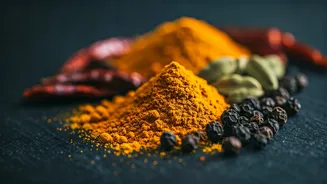
So what does “sharper” mean? It’s about flavor clarity. Instead of melding everything into one homogenous, heavy sauce, this new approach is about letting individual ingredients sing. The “sharpness” comes from a more pronounced use of acid and fresh herbs. A squeeze of lime or a spoonful of yogurt at the end of cooking can lift an entire dish, cutting through richness and making the flavors pop. A generous handful of fresh cilantro or mint, added just before serving, provides a burst of freshness that heavy, slow-cooked dishes often lack. It also comes from a more nuanced use of spices. Rather than relying on a pre-mixed garam masala for everything, cooks are toasting and grinding whole spices for specific dishes, creating more vibrant and distinct flavor profiles. The heat is more intentional, too—not just a blunt chili burn, but the complex warmth of black pepper, ginger, or mustard seed. This approach creates a dynamic tension on the palate, making each bite more interesting than the last.