


Beyond the Dinner Buffet
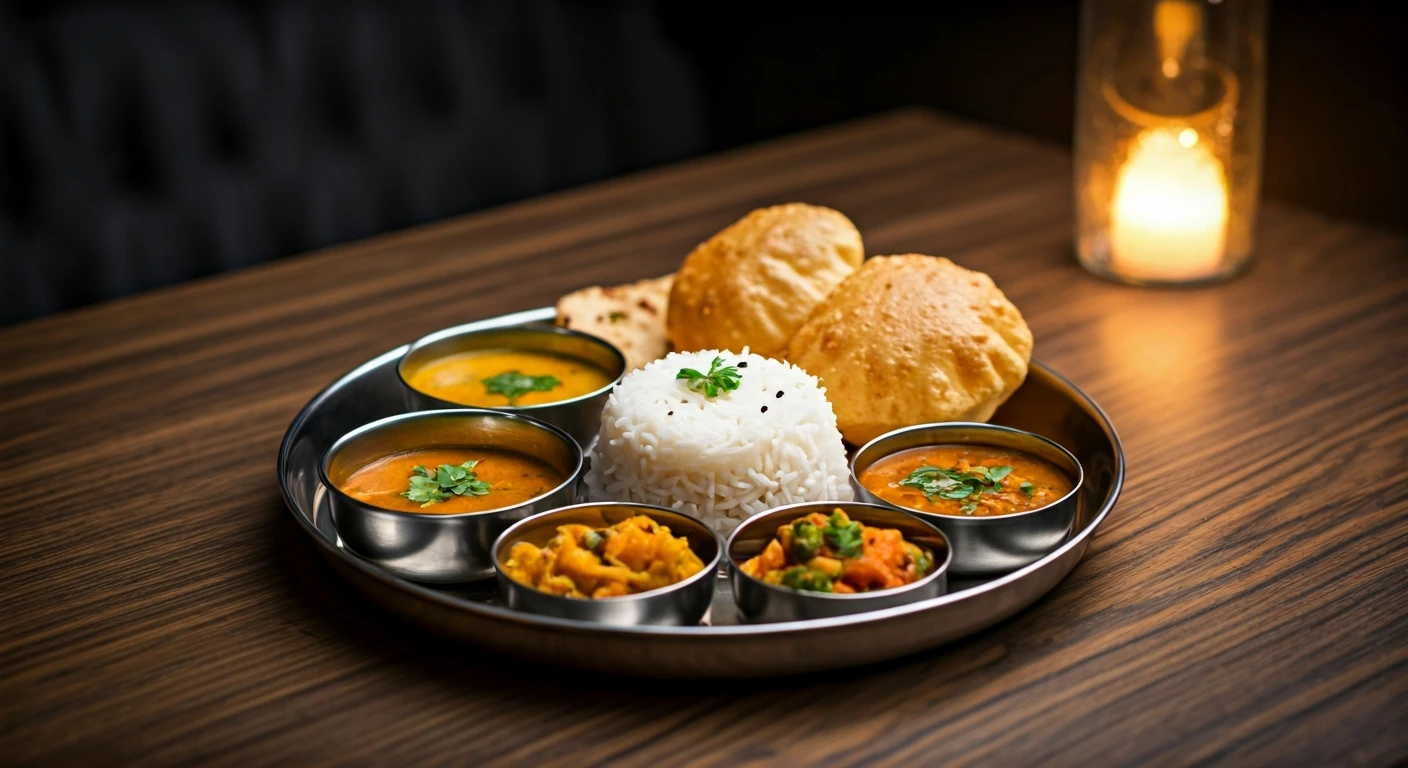
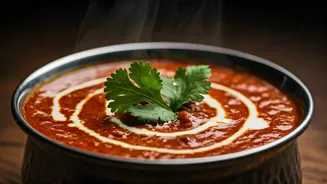
For decades, the Indian food experience for many Americans was defined by the lunch buffet or a familiar dinner menu of tikka masala, naan, and samosas. It was delicious, certainly, but it was also a monolith—a simplified, greatest-hits collection representing
a subcontinent of staggering culinary diversity. The weekend meal was often a single, contained event. But that script is being enthusiastically rewritten. A seismic shift is underway, driven by a new generation of Indian Americans, discerning foodies, and innovative chefs. The weekend is no longer just a time for one big Indian meal. Instead, it has transformed into an immersive, multi-stop, two-day culinary event—a food adventure that is as much about community and culture as it is about cuisine.
The Rise of Hyper-Regionality
The heart of this new weekend adventure is a deep dive into regionality. As Indian American communities have grown and matured, so has the demand for the specific flavors of home—flavors that go far beyond standard North Indian fare. The result is a vibrant ecosystem of specialty eateries that cater to these specific tastes.
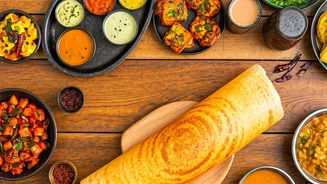
Saturday morning might now begin at a bustling café specializing in South Indian breakfast, where families gather over paper-thin dosas, fluffy idlis, and savory lentil doughnuts called medu vada, all served with an array of chutneys and sambar. Later, the adventure might lead to a “chaat crawl,” where groups of friends hop between spots to sample explosive street-food snacks from Mumbai or Delhi—pani puri (hollow crisps filled with spiced water), dabeli (sweet and spicy potato sliders), and sev puri (flat crackers topped with potatoes, onions, and chutneys). These aren't just meals; they are dynamic, social, and deeply authentic experiences.
A Weekend-Long Affair
This modern food adventure often stretches from Friday evening to Sunday night. It starts with planning: which new pop-up to try, which specialty grocery store to visit. A Saturday morning might involve a trip to an Indian market like Patel Brothers or a local equivalent, not just for staples, but for specific vegetables like drumsticks for a sambar, fresh paneer for a home-cooked feast, or Alphonso mangoes when in season.
The adventure is both external and internal. It's about exploring new restaurants, but it's also about bringing those flavors home. After a morning of sourcing ingredients, a Sunday afternoon could be dedicated to a complex cooking project—a multi-layered biryani from Hyderabad, a traditional Bengali fish curry, or homemade sweets for an upcoming festival. The kitchen becomes a classroom and a studio, a place to connect with heritage and pass down recipes.
Community, Culture, and Connection
Ultimately, these weekend food adventures are about more than just satisfying a craving. For many first- and second-generation Indian Americans, they are a powerful way to connect with their cultural identity in a tangible, joyful way. Sharing a dosa brunch with friends re-creates the social fabric of a Sunday back in Chennai or Bangalore. Teaching a child how to fold a samosa is a transfer of cultural knowledge.
These explorations also serve as a welcoming entry point for non-Indian friends and partners, demystifying a cuisine often perceived as intimidatingly complex. By framing it as an “adventure,” the experience becomes accessible and exciting. It’s an invitation to move past the familiar and dive into the rich, diverse, and endlessly fascinating world of Indian food, one delicious weekend at a time. It’s a declaration that the culture is not just surviving in America—it's thriving, innovating, and getting hungrier.