



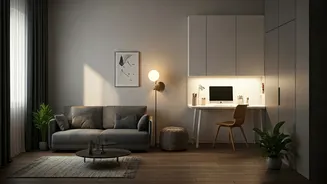

1. It’s a Tool for Wellness
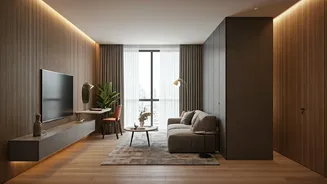
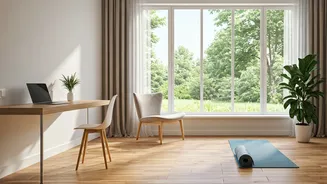
Perhaps the biggest shift is the move toward “human-centric lighting,” designed to support our natural circadian rhythms. Instead of a single, harsh color temperature, modern LED systems can mimic the sun's daily cycle. Imagine waking up to a gentle,
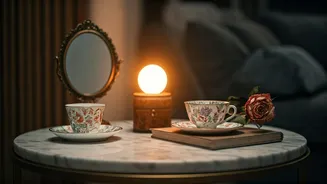
warm glow that slowly brightens and cools, helping you feel alert in the morning. In the evening, the lights can automatically shift to a warmer, amber tone, reducing blue light exposure and signaling to your brain that it’s time to wind down. This isn't just a gimmick; it’s about using technology to create a healthier indoor environment. Smart bulbs from brands like Philips Hue and Wyze make this accessible, allowing you to schedule color temperature changes that align with your daily routine, potentially improving sleep and boosting daytime energy.
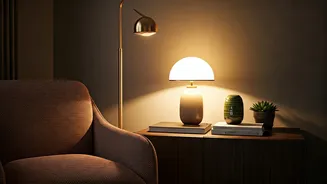
2. It’s a Form of Decor
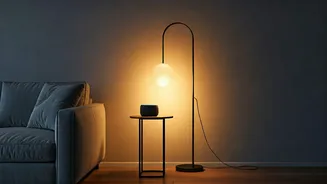
Forget the boring flush-mount ceiling fixture. Lighting is now a primary decorative element, with homeowners embracing statement pieces that act as functional sculptures. Think of dramatic, oversized pendants above a dining table, a cluster of artisanal glass globes in a stairwell, or a sleek, minimalist floor lamp that doubles as a piece of modern art. But it’s not just about the fixtures themselves. The light they cast is also part of the design. Techniques like “wall grazing” use recessed lights to highlight the texture of a brick or stone wall, while cove lighting hidden in a ceiling recess can provide a soft, indirect glow that makes a room feel larger and more serene. Homeowners are thinking like museum curators, using light to draw attention, create mood, and add character.
3. It’s Smarter and More Integrated
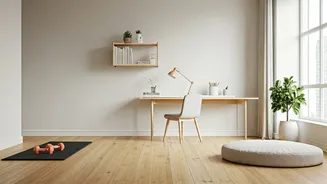
The smart home revolution has fully absorbed lighting. It’s no longer just about asking Alexa to turn on the kitchen lights. Today’s systems are about creating “scenes.” With a single command—like “movie night”—you can have the overheads dim to 20%, the accent lights turn blue, and the lamps beside the sofa cast a warm glow. These scenes can be automated to sync with your life. For example, a “goodbye” scene can turn off all the lights, lock the doors, and adjust the thermostat. Integration also means motion sensors that illuminate a hallway for a midnight snack run without blinding you, or lights that flash to alert you if a security camera detects motion. This level of control turns lighting from a simple utility into an active participant in your home’s comfort and security.
4. It’s All About the Layers
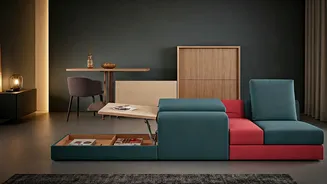
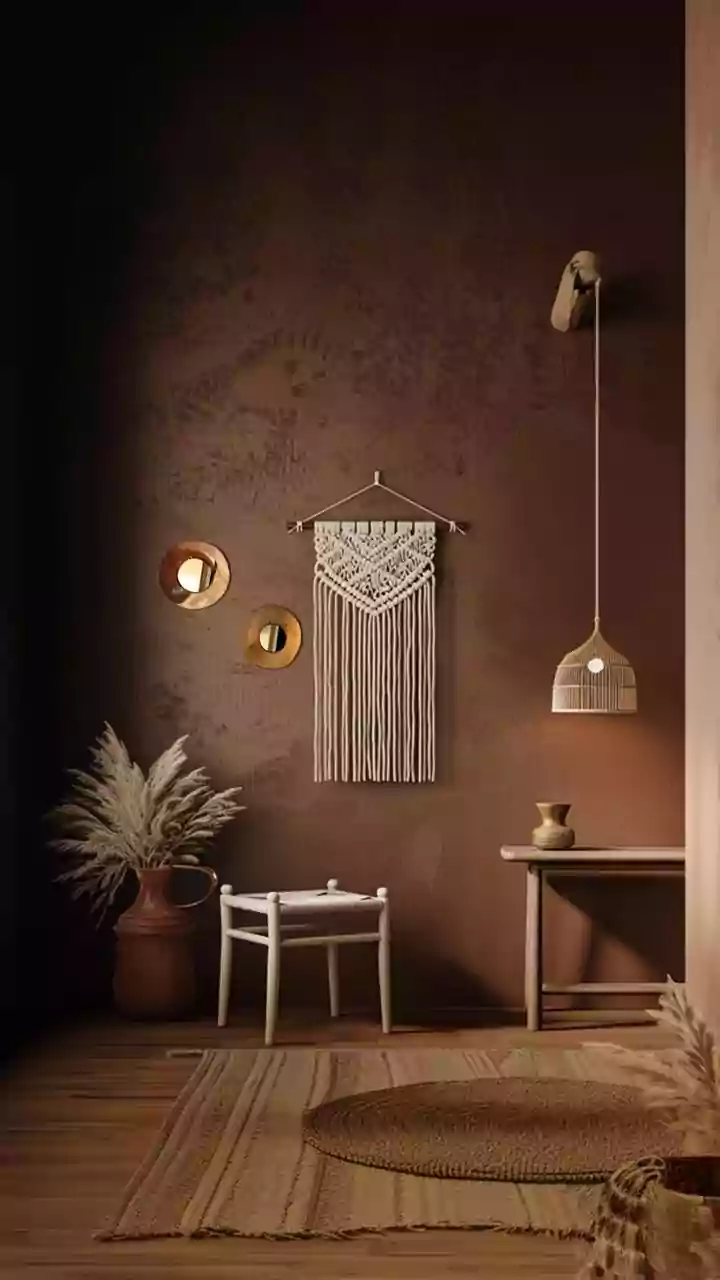
Interior designers have long preached the gospel of layered lighting, and homeowners are finally catching on. Relying on a single overhead light (known as ambient lighting) often creates a flat, uninviting space with harsh shadows. The modern approach involves three key layers. First is ambient light, the general illumination for the room. Second is task lighting, which provides focused light for activities like reading, cooking, or working at a desk. This could be under-cabinet lights in the kitchen or a reading lamp by a chair. The final, and often most transformative, layer is accent lighting. This is used to highlight architectural features, artwork, or plants, adding depth and visual interest. By combining these three layers, you can create a room that is not only well-lit but also feels balanced, sophisticated, and comfortable in any situation.