



The Obvious Perk: Your Wallet
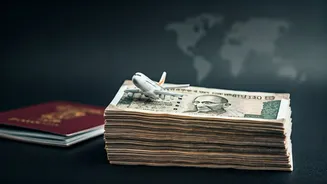
Let’s start with the most compelling argument: the cost. Destinations across Southeast Asia and the Indian subcontinent see a dramatic drop-off in tourism during their respective monsoon periods, which generally fall between June and October. Airlines
and hotels, desperate to fill empty seats and rooms, slash their prices. A five-star resort in Bali or a boutique hotel in Chiang Mai that feels prohibitive in January suddenly becomes accessible in July. This isn't a minor discount; travelers often report savings of 30-50% on luxury accommodations. For budget-conscious travelers who have been dreaming of a top-tier experience, the off-season is the only season where it might be financially feasible. Fewer people also means less competition for everything, from spa appointments to tables at popular restaurants.
An Unexpectedly Lush Landscape
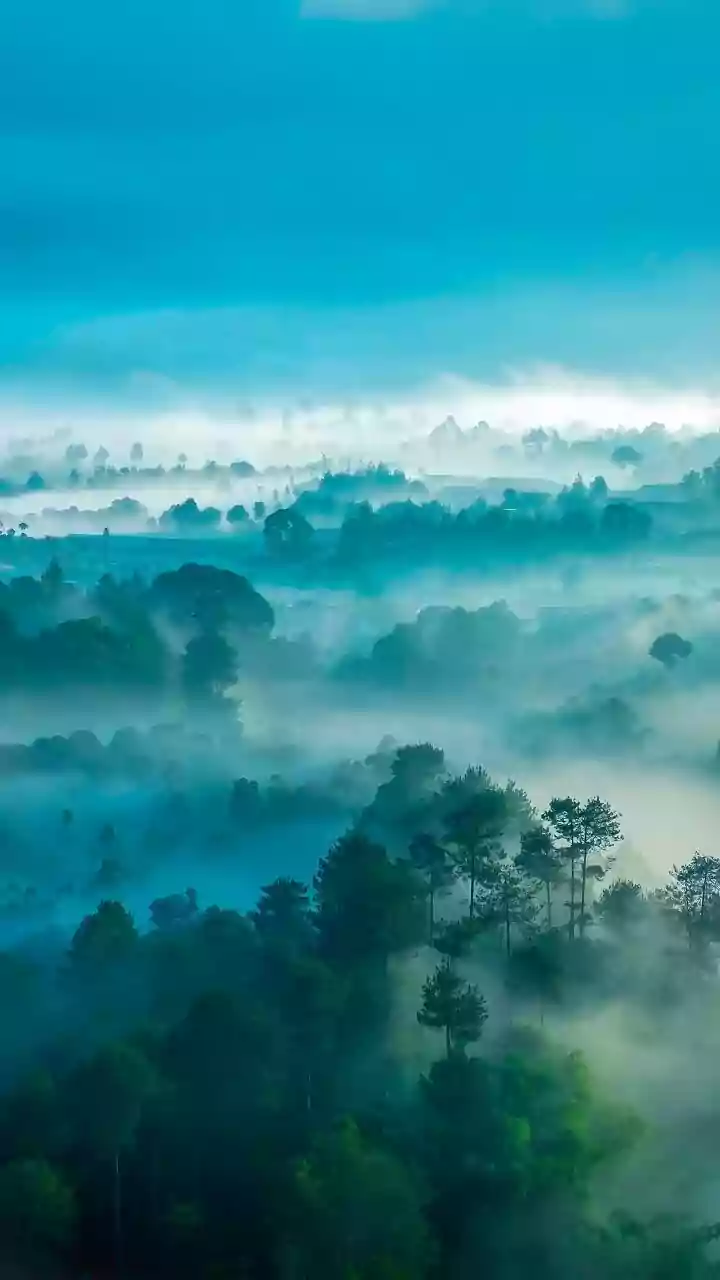
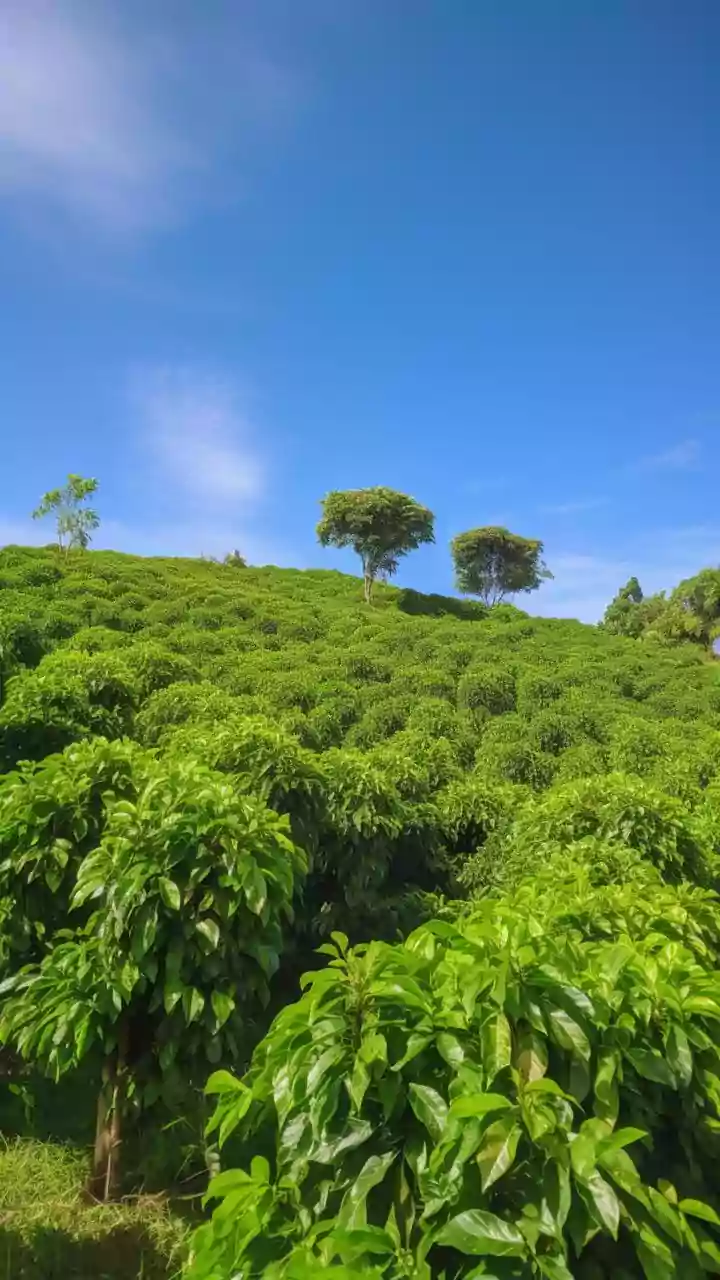
The financial benefits are clear, but the aesthetic upside is what often converts skeptics. After months of dry heat, the first rains transform dusty, muted landscapes into a super-saturated world of green. The rice paddies of Vietnam and Bali become a brilliant, shimmering emerald. The jungles and national parks of Thailand and Kerala, India, burst with life, their waterfalls thundering rather than trickling. The air, washed clean of dust, is crisper. The skies, far from being a uniform grey, are often a canvas of dramatic, moody clouds that make for spectacular photographs. It’s a different kind of beauty than the endless blue skies of peak season—more dynamic, more atmospheric, and, for many, more profound.
A Reality Check on the Rain
Of course, it’s called the “rainy season” for a reason. Ignoring the potential downsides would be foolish. While it’s rare for it to rain nonstop for days on end, you should expect daily downpours. These are often intense but short-lived, typically occurring in the afternoon. However, they can disrupt plans. Beach days can be washed out, hiking trails may become muddy and impassable, and boat services to some islands may be suspended due to rough seas. Humidity is also at its peak, which can be uncomfortable for some. Flexibility is non-negotiable. If your perfect vacation requires guaranteed sunshine and a rigid itinerary, monsoon travel is not for you. This is a trip for those who don’t mind ducking into a café for an hour to wait out a storm or swapping a planned beach day for a cooking class or temple visit.
Where to Go and What to Pack
Not all monsoon destinations are created equal. In Thailand, the Gulf Coast islands (like Koh Samui) often have better weather than the Andaman coast (like Phuket). Northern Vietnam, including Hanoi and Ha Long Bay, sees its summer rains, but it’s a great time for the terraced rice fields. In India, Kerala becomes a verdant paradise, famous for its Ayurvedic treatments that are said to be more effective in the moist, cool climate. When packing, think less about heavy-duty raincoats and more about lightweight, quick-drying layers. A good waterproof jacket, an umbrella you can buy locally, and waterproof shoes or sturdy sandals are essential. Pack a dry bag for your electronics, load your Kindle with books for rainy afternoons, and most importantly, bring a go-with-the-flow attitude.