







From Yoga Mats to Barbells
For decades, the Indian approach to physical wellness was dominated by low-cost, accessible activities. Yoga, with its ancient spiritual roots, has always been a mainstay. Morning walks are a national pastime, and team sports like cricket and field hockey
are woven into the cultural fabric. Strength training, by contrast, was a niche pursuit. It was the domain of traditional wrestlers, known as ‘pehlwans,’ training in mud-pit gyms called ‘akharas,’ or a luxury reserved for the wealthy few with access to exclusive clubs and personal trainers. For the average person, building muscle was neither a primary goal nor a particularly accessible one. The prevailing fitness ideal was more about lean endurance than visible strength.
The Urban Squeeze
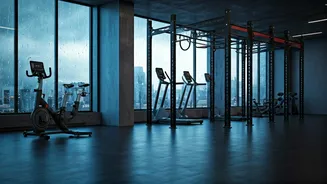
The practicality of weights in modern India is rooted in the reality of its booming cities. For millions in Mumbai, Delhi, or Bangalore, life is a vertical affair, lived in high-rise apartment buildings where space is the ultimate luxury. Commutes are long, traffic is notoriously dense, and time is a precious commodity. In this environment, a commercial gym membership presents logistical hurdles that go beyond its cost. The simple act of getting to and from the gym can add an hour or more to a workout, a significant deterrent for a busy professional or working parent. A pair of adjustable dumbbells or a set of kettlebells, however, can be tucked into a corner or slid under a bed. They transform a small patch of a living room into a functional workout space, eliminating travel time and offering the flexibility to exercise at any hour. This convenience is not just a nice-to-have; it’s a game-changer.
A New Economic Calculation
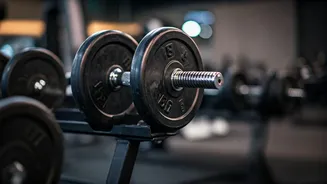
While India's economy has grown, creating a new and aspiring middle class, household budgets are still carefully managed. A monthly gym membership can cost anywhere from $30 to over $100, a recurring expense that competes with other financial priorities. The pandemic served as a major catalyst, closing gyms and forcing people to reconsider their options. Many discovered that a one-time investment of $50 to $150 in a basic set of weights offered a more sustainable long-term solution. This shift democratized strength training, taking it out of the exclusive realm of commercial gyms and putting it directly into people's homes. E-commerce platforms made it easier than ever to buy equipment, and a thriving market for both new and used weights emerged, making fitness more economically accessible than ever before.
Influence, Aspiration, and Iron
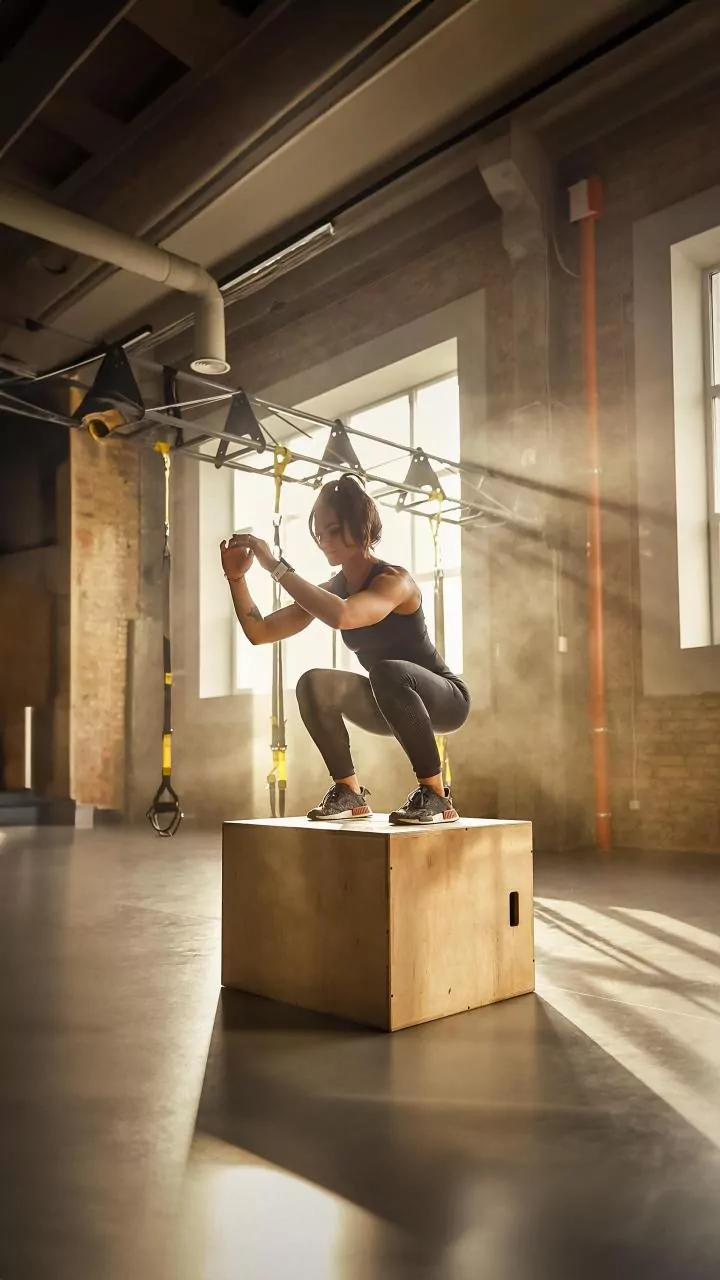
Perhaps the biggest driver of the trend is a massive cultural shift in what it means to be ‘fit.’ Bollywood, India’s powerful film industry, has traded the lean leading men of the past for chiseled actors with defined abs and biceps. Stars like Hrithik Roshan and Tiger Shroff have made muscular physiques the new aspirational standard for men. Similarly, actresses like Deepika Padukone and Katrina Kaif showcase athletic, strong bodies, inspiring women to embrace strength training over purely cardio-based routines. This new ideal is amplified daily on social media. Indian fitness influencers on Instagram and YouTube have amassed millions of followers, providing workout tutorials, nutrition advice, and a constant stream of motivation. They’ve successfully reframed weightlifting from a fringe activity to a mainstream symbol of discipline, health, and modern self-improvement.