




The Established Star: Manali's Enduring Pull
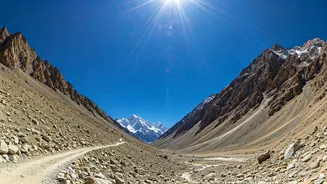
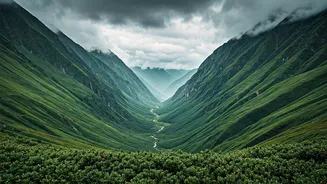
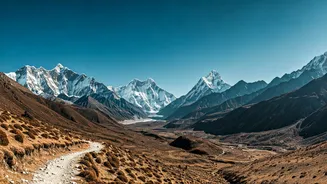
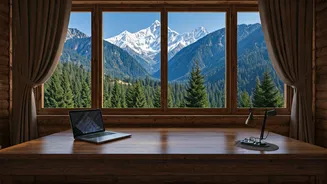
Let's be clear: Manali earned its fame for a reason. Nestled in the Beas River Valley with jaw-dropping views of snow-capped peaks, it's a postcard-perfect vision of a Himalayan town. For decades, it has served as the go-to base for trekkers, adventure
junkies, and honeymooners. If you’re looking for a place with a bustling market, a wide variety of restaurants, and easy access to activities like paragliding in the Solang Valley or skiing in the winter, Manali delivers. The famous Mall Road is a vibrant, chaotic river of humanity, lined with shops selling everything from woolen shawls to tourist trinkets. It's a town with energy, infrastructure, and a well-trodden path for the first-time visitor to the region. However, that popularity has come at a cost. Today, Manali often groans under the weight of its own success, with traffic jams, concrete hotels climbing the hillsides, and a commercial vibe that can overwhelm the natural beauty it was built on.
The Quiet Contender: Discovering Naggar's Charm
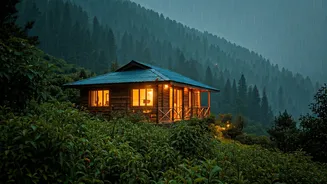
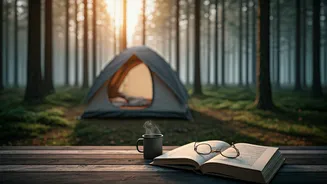
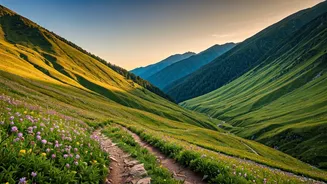
Just 13 miles down the road, Naggar feels like a different world. Once the capital of the Kullu kingdom for over 1,400 years, this hillside village operates at a slower, more contemplative pace. Instead of a sprawling commercial center, you’ll find winding lanes, traditional stone-and-wood homes, and terraced fields of apple and plum orchards. The air here seems quieter, carrying the scent of pine and the distant sound of the Beas River rather than the constant hum of traffic. Naggar isn't a place of checklists and must-do activities; it's a destination that invites you to simply be. It’s the kind of town where your main agenda might be to find a cafe with a view, read a book, and watch the clouds drift over the mountains. This deliberate lack of hustle is precisely its main attraction for a growing number of visitors feeling burnt out by the hyper-tourism of more famous locales.
The Cultural Heart: Museums Over Malls
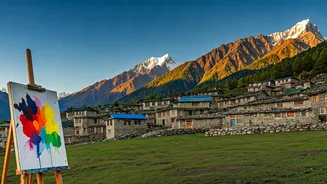
This is where Naggar truly distinguishes itself for the art lover. The town’s creative soul is anchored by the Nicholas Roerich Art Gallery. The famed Russian artist, writer, and philosopher spent the last years of his life here, capturing the ethereal beauty of the Himalayas on canvas. His former home is now a museum displaying his stunning, mystical paintings of the mountains. The estate feels like a preserved sanctuary of creativity and peace. Just uphill is the Urusvati Himalayan Folk Art Museum, which showcases local crafts and culture. This artistic legacy gives Naggar a depth and a purpose beyond tourism. While Manali has the beautiful Hidimba Devi Temple and nearby monasteries, its day-to-day cultural experience is largely centered around the commercial transactions of Mall Road. In Naggar, the culture feels less like a product to be consumed and more like a living, breathing part of the village itself.
Atmosphere and Architecture: Heritage vs. Hustle
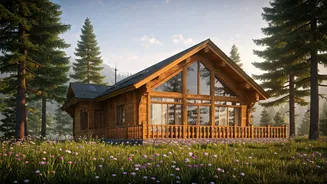
The very buildings tell the story of two different philosophies. Manali’s growth has led to a landscape of modern hotels and guesthouses, many built quickly to meet demand. Naggar, by contrast, retains its architectural heritage. The crown jewel is Naggar Castle, a magnificent 15th-century structure built in the traditional kath-kuni style, which uses interlocking layers of wood and stone without mortar to create earthquake-resistant buildings. Now a heritage hotel, its courtyards and balconies offer panoramic views and a tangible connection to the region's royal past. Wandering through Naggar, you’ll see this architectural DNA everywhere, grounding the village in a sense of history that many of Manali’s newer constructions lack.
Choosing Your Base: So, Where Should You Stay?
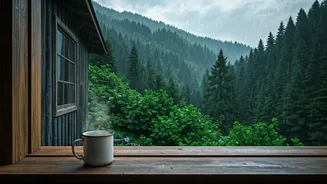
Ultimately, the choice comes down to your travel personality. If you’re a social traveler who wants a vibrant atmosphere, lots of dining options, and easy access to organized adventure sports, Manali is still a logical and exciting choice. It’s the energetic hub that provides a straightforward and amenity-rich vacation. But if you are the “art lover” from the headline—someone who travels for inspiration, peace, and a connection to history and culture—Naggar is almost certainly your better bet. It’s the ideal base for writers, artists, history buffs, or anyone seeking to escape the crowds and find a more authentic, reflective Himalayan experience. It’s for the traveler who prefers a quiet morning with a cup of tea and a mountain view over a bustling market.