



Multifunctional Furniture Finally Got Smart
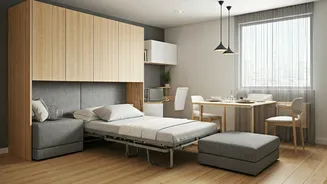
The clunky futon of your college dorm has been replaced by a new generation of genuinely brilliant, transforming furniture. The shift to remote and hybrid work accelerated this trend, demanding that our homes serve as offices, gyms, and sanctuaries all
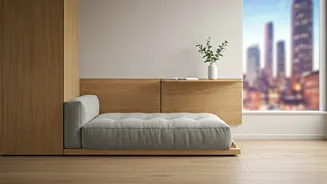
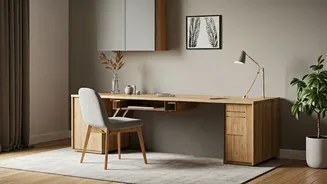
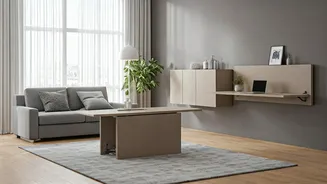
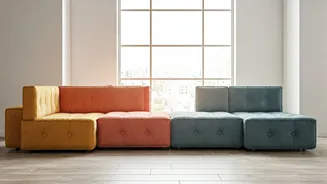
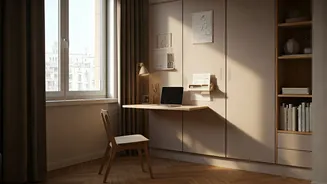
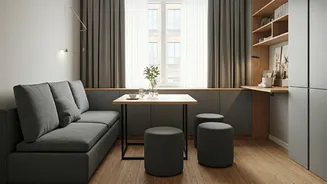
at once. Today’s market offers elegant Murphy beds that fold away to reveal a full-sized desk, coffee tables that rise and expand to become dining tables for six, and modular sofas that can be reconfigured in minutes. These pieces aren’t just space-savers; they’re lifestyle enablers. By investing in one or two high-quality transforming items, you can reclaim entire zones of your home, allowing a studio apartment to have the distinct functionality of a one-bedroom.
The Rise of 'Japandi' Philosophy
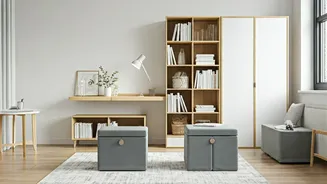
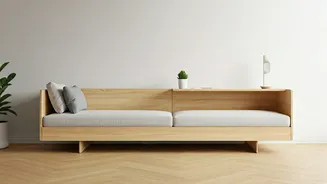
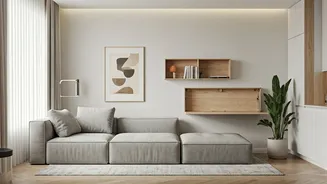
One of the most influential trends in modern interiors is Japandi, a hybrid of Japanese rustic minimalism and Scandinavian functionality. This aesthetic is perfectly suited for small spaces because its core principles are centered on simplicity, natural materials, and the rejection of clutter. Unlike sterile minimalism, Japandi feels warm and inviting. It prioritizes craftsmanship and items with purpose. By focusing on a neutral color palette, organic textures like wood and linen, and only keeping objects that are either beautiful or useful (or both), you create a calming environment. This isn't just an aesthetic choice; it’s a psychological one. A decluttered, harmonious space feels inherently larger because your mind isn't busy processing visual noise.
Lighting Becomes a Structural Element
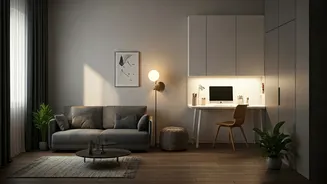
Designers are increasingly treating light as a building material. Instead of relying on a single, harsh overhead fixture, the modern approach is to layer lighting to create depth and define zones. This involves a combination of three types: ambient (overall illumination), task (for specific activities like reading or cooking), and accent (to highlight art or architectural features). Smart lighting systems have made this easier than ever. With app-controlled bulbs, you can change the color temperature and brightness to suit the time of day—cool, bright light for morning focus and warm, dim light for evening relaxation. This ability to sculpt the environment with light can make a single room feel like it has multiple distinct atmospheres and purposes, effectively expanding its perceived square footage.
Blurring the Indoor-Outdoor Boundary
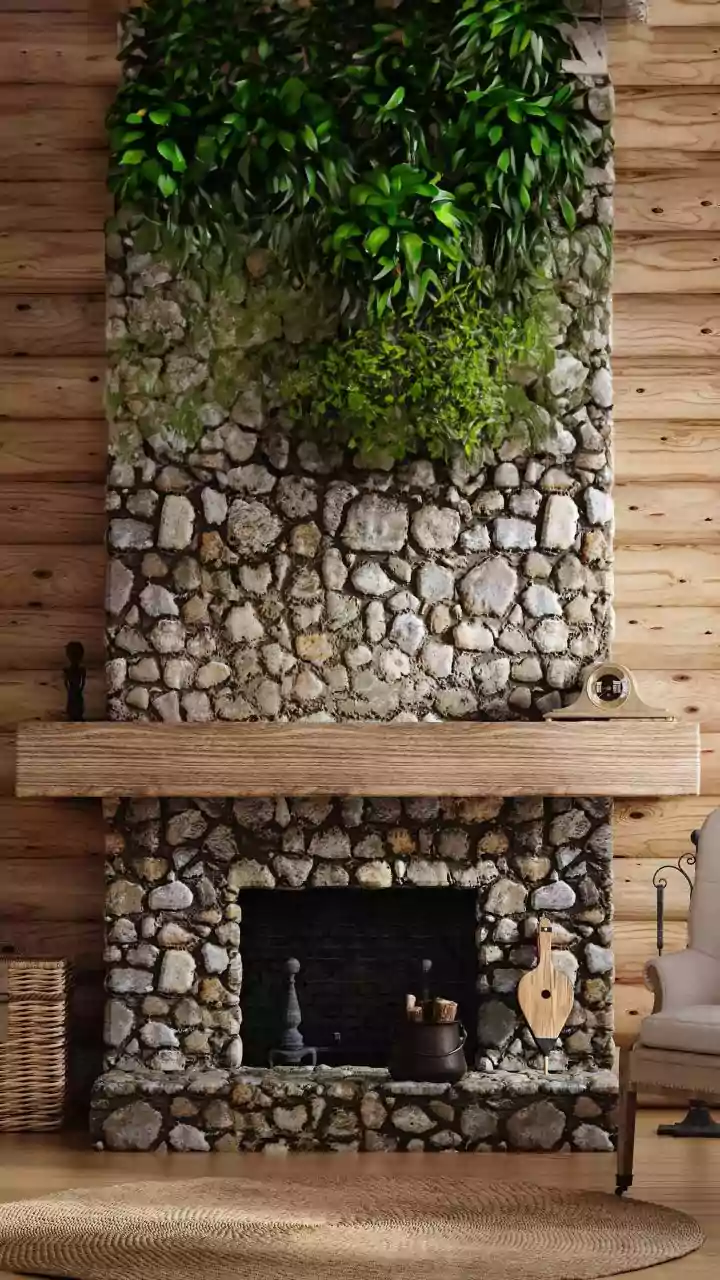
Connecting with nature, a concept known as biophilic design, has a profound impact on our perception of space. Even in a high-rise apartment, you can create this connection. Large, strategically placed plants can serve as natural room dividers, while a collection of smaller pots on a windowsill draws the eye outward, making the room feel connected to the world beyond. If you have a balcony, treat it as an extension of your living room, not as a storage closet for a rusty bike. Use outdoor rugs, comfortable seating, and container gardens to make it a true destination. By visually and functionally linking your indoor space to the outdoors, you borrow a sense of expansiveness from the sky and the surrounding environment.
Strategic Zoning Without Walls
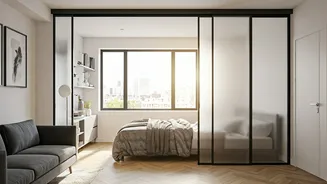
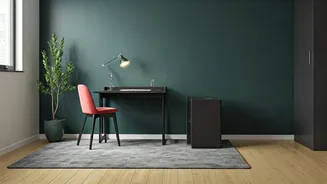
In the absence of walls, you have to create your own rooms. This technique, called zoning, uses clever visual cues to delineate different areas within an open-plan space. A large rug is the simplest and most effective tool: it can anchor a living room area, separating it from a dining nook or home office. The back of a sofa can create a psychological barrier, forming a de facto hallway. A thoughtfully placed open-backed bookshelf can divide a space without blocking light or sightlines. You can even use paint to create an accent wall or a painted “arch” to frame a desk area, giving it a sense of place and purpose. Each zoned area feels like its own destination, making the whole feel much larger and more organized than a single, undefined room.