



A Retreat in the Clouds
For Americans unfamiliar with the geography of Indian holiday spots, Nainital is a revelation. Tucked into the Kumaon foothills of the outer Himalayas, it’s a former British hill station that still holds onto its colonial-era charm. The town is built
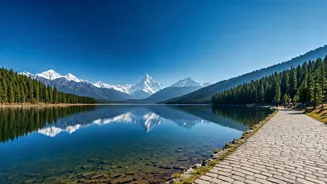
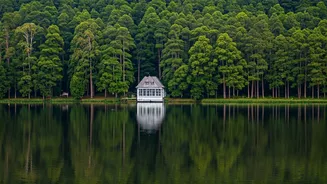
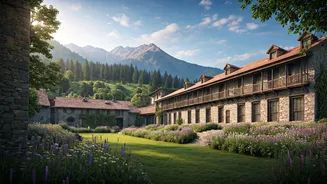
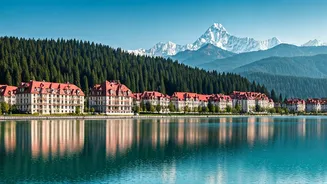
around the glittering, pear-shaped Naini Lake, with steep, forested hillsides rising dramatically from its shores. During the 19th century, this was where British officials and their families escaped the searing heat of the plains. They built charming bungalows with gabled roofs, stone cottages with sprawling gardens, and grand hotels overlooking the water. That legacy created a town that seems purpose-built for leisure, contemplation, and escape. It’s a world away from the frantic energy of India’s megacities, operating on a slower, more deliberate rhythm that feels perfectly synchronized with the turning of a page.
The Magic of a Himalayan Monsoon
While most travel guides might steer you away from a destination’s rainy season, in Nainital, the monsoon is the main event. From late June through September, the skies open up. But this isn't a dreary, week-long drizzle. It’s a dramatic, atmospheric performance. Heavy downpours arrive with theatrical force, drumming against tin roofs and sending rivulets down winding hillside roads. Then, just as suddenly, the rain can soften to a fine mist that shrouds the entire valley, blurring the line between the lake and the sky. The air grows cool and smells of damp earth, pine needles, and woodsmoke from a nearby chimney. The fog moves like a living thing, revealing and then concealing the vibrant green landscape. This constant, gentle drama unfolding outside your window makes staying inside not a concession, but a privilege. The world is washed clean, the noise is muted, and the perfect excuse to do nothing but read is delivered daily.
The Anatomy of a Perfect Reading Nook
The ideal Nainital stay isn’t a modern, minimalist hotel. It’s a room in a heritage bungalow or a boutique guesthouse, one that feels steeped in history. Picture a large bay window with a cushioned seat, offering a panoramic view of the mist-covered lake. The furniture is solid wood, perhaps a bit worn, with a plush armchair perfectly positioned next to a small side table for your cup of chai. There might be a stone fireplace, not always necessary for heat but essential for its comforting crackle and glow on a particularly cool evening. The bookshelf in the corner isn’t filled with curated, decorative spines; it holds a motley collection of paperbacks left by decades of travelers—dog-eared mysteries, well-loved classics, and obscure histories. This isn’t a sterile environment; it’s a cozy, lived-in space that invites you to add your own quiet chapter to its story. The only sounds are the rain, the distant call of a bird, and the rustle of paper.
When You Finally Look Up
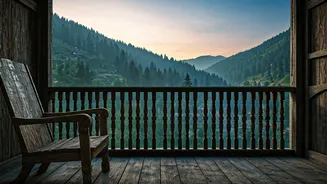
Eventually, even the most engrossing book must be put down. The moments between chapters in Nainital are just as restorative as the reading itself. When the rain breaks, the sun slices through the clouds, making the rain-washed landscape sparkle. This is your cue for a slow, meandering walk along the lake’s edge, where brightly painted boats bob in the water. You can wander through the Tibetan market, breathing in the scent of incense and browsing for woolen shawls. Or, you can simply sit on your veranda, watching the clouds drift and change. The day is structured not by a schedule, but by the weather and your whims. There's an unhurried pace to life here that feels like a deep exhalation. The goal isn’t to see everything, but to fully experience the simple, sensory pleasures: the taste of hot ginger tea, the feel of cool mountain air, and the quiet satisfaction of a day spent in good company—with a book.