
The Rise of Soil-Free Growing
The secret to a stress-free plant life isn't about having a 'green thumb'—it's about changing the medium. For decades, we've equated houseplants with bags of potting mix, but that soil is often the root of our problems. It can harbor fungus gnat larvae,
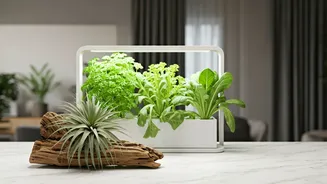
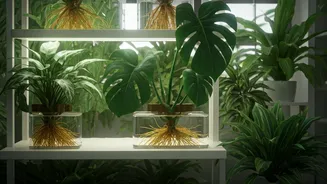
compact over time, and make watering a guessing game of 'too much or too little?' Soil-free methods, collectively known as hydroponics or semi-hydroponics, eliminate these issues by providing nutrients directly to the roots via water and an inert substrate. This isn't just for commercial greenhouses anymore; it's an accessible, elegant solution for the modern home, promising healthier plants and a happier you.
Try Semi-Hydroponics with LECA
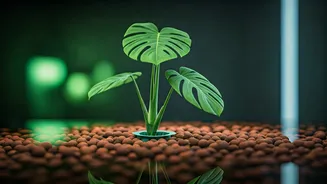
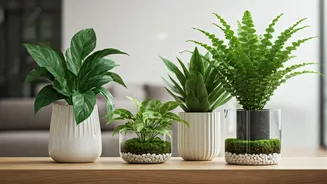
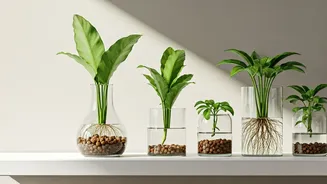
If you want to dip your toes into the soil-free world, start with LECA. That’s short for Lightweight Expanded Clay Aggregate—those little reddish-brown clay balls you might have seen in decorative arrangements. They are the star of semi-hydroponics. Here’s how it works: you pot your plant in a container filled with LECA instead of soil. This container sits inside a larger, water-tight pot. You add water with a hydroponic nutrient solution to the outer pot, creating a reservoir. The porous clay balls wick moisture up to the plant's roots as needed. The benefits are immediate: no dirt means no mud and a drastically reduced chance of soil-borne pests like fungus gnats. Plus, the reservoir system makes watering almost foolproof. Just keep an eye on the water level, and you're set. It’s the perfect middle ground, offering structure for the roots while providing consistent hydration.
Go Minimalist with Water Culture
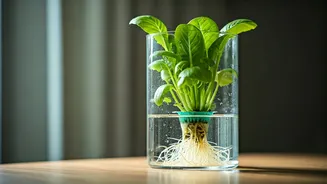
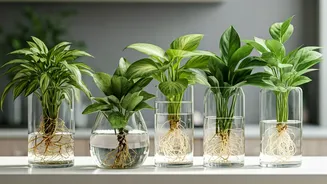
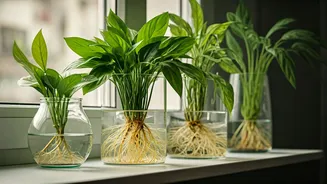
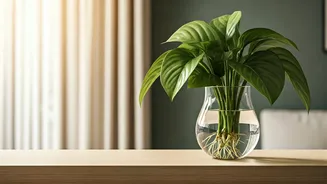
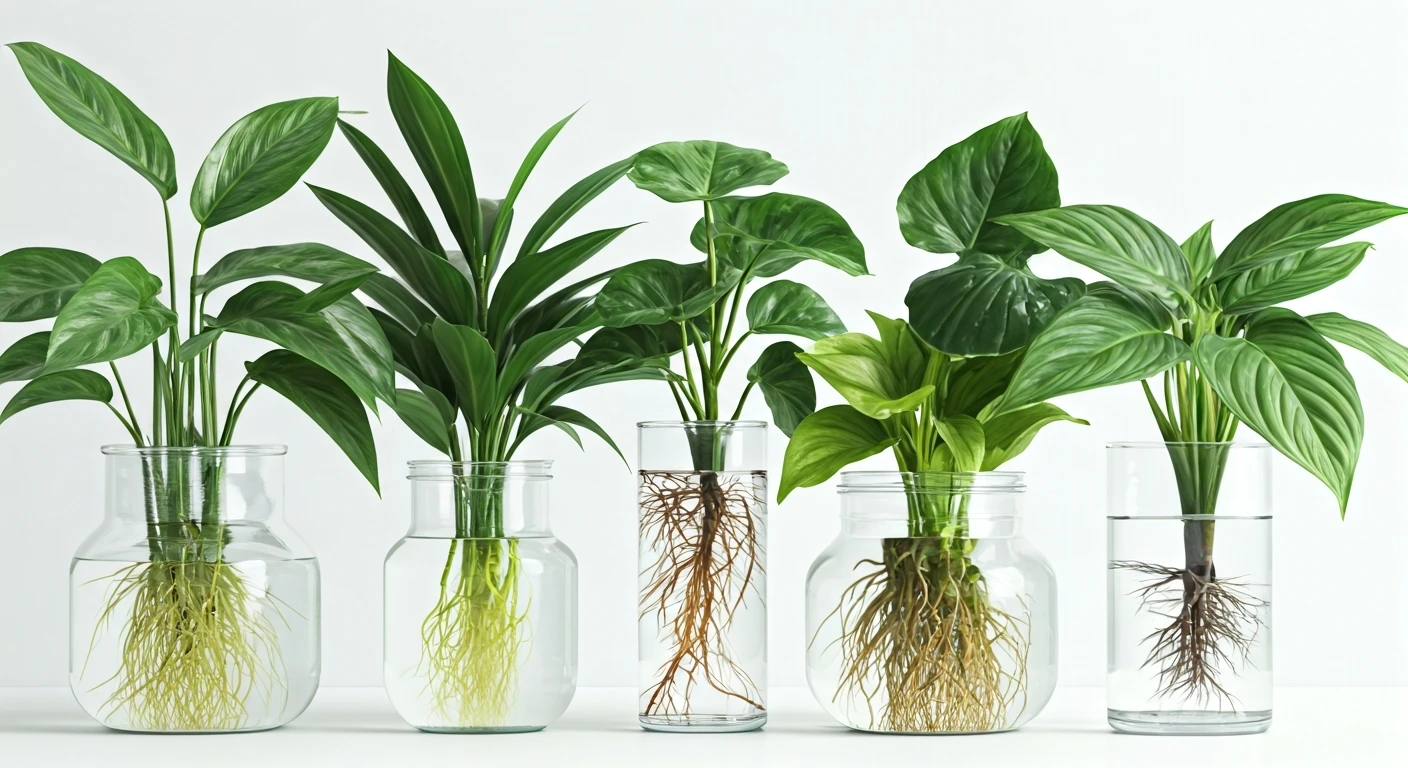
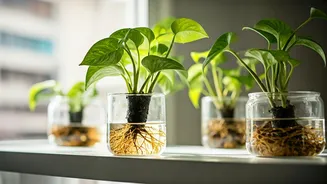
For the ultimate in clean, minimalist aesthetics, look no further than pure water culture. This is exactly what it sounds like: growing plants with their roots directly in water. Not all plants are suitable for this, but many common favorites—like pothos, philodendrons, snake plants, and monsteras—thrive this way. The key is to start with a healthy cutting or to meticulously clean all the soil from the roots of an existing plant. Place it in a clear glass vase or jar so you can admire the root growth and easily monitor water clarity. You'll need to change the water every week or two to replenish oxygen and prevent bacterial growth, adding a few drops of liquid hydroponic fertilizer to provide necessary nutrients. It's a living bouquet that doesn't just survive, but grows, offering a fascinating look at the hidden half of your plant's life.
Embrace the Guilt-Free Faux Plant
Let’s be honest. Sometimes you want the look of a plant without any of the work. Maybe your apartment has zero natural light, or your travel schedule makes even the hardiest plant a risky proposition. It’s time to let go of the stigma and embrace the high-quality artificial plant. Today's faux botanicals are a world away from the dusty plastic monstrosities of the past. Made with realistic materials and attention to detail, a well-chosen artificial fiddle-leaf fig or olive tree can provide the same architectural impact and touch of green as its living counterpart. The best part? It asks for nothing in return. No watering schedules, no pest control, no worrying about light conditions, and absolutely zero guilt. It’s the ultimate expression of 'no-maintenance' decor, allowing you to enjoy the aesthetic without any of the responsibility.