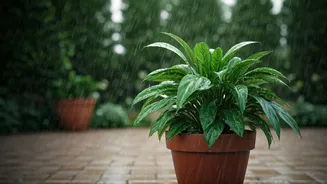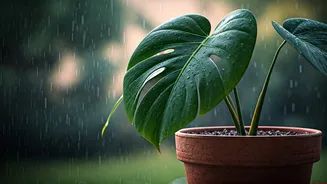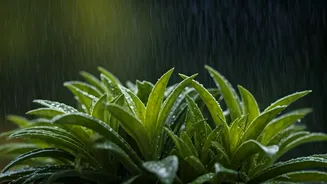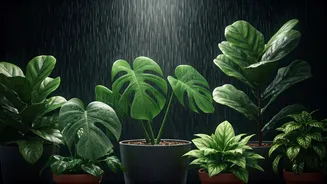



First, What Is a Rain Bath?
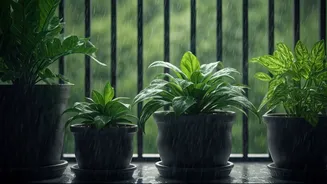
At its core, a “rain bath” is exactly what it sounds like: the practice of taking your indoor plants outside during a gentle rain shower. The idea is that this mimics their natural environment, providing them with superior water and a gentle cleaning.
Proponents claim it leads to greener leaves, stronger growth, and healthier plants overall. On platforms like TikTok and Instagram, you'll see plant enthusiasts herding their leafy friends onto patios, balconies, and fire escapes at the first sign of a drizzle. The question isn't just whether it looks nice on camera, but whether it provides benefits that your trusty watering can doesn't.
The Science-Backed Benefits
There’s a good reason why plants in the wild thrive on rainwater. Unlike treated tap water, rainwater is naturally soft and free of the chlorine, fluoride, and other minerals that can build up in soil over time and harm sensitive plants. Rainwater is also slightly acidic, which helps release essential micronutrients in the soil—like zinc, manganese, and iron—making them more available for your plant to absorb. Furthermore, the nitrogen that rain collects as it falls through the atmosphere acts as a gentle, natural fertilizer, giving your plants a mild but effective growth boost. So, yes, from a pure water-quality standpoint, rainwater is the gold standard.
Potential Risks to Consider
Before you rush your entire plant collection outside, it's crucial to understand the downsides. First, not all rain is created equal. In heavily polluted urban areas, rain can pick up contaminants from the air, creating acid rain that might do more harm than good. Second is the risk of overwatering. If your pot doesn't have excellent drainage, a sudden downpour can leave your plant sitting in water, leading to root rot—the number one killer of houseplants. There's also the danger of temperature shock if you move a plant from a cozy 70-degree apartment into a chilly 50-degree rain shower. Finally, bringing plants outside temporarily exposes them to outdoor pests that could hitch a ride back into your home.
Tap Water vs. Rainwater
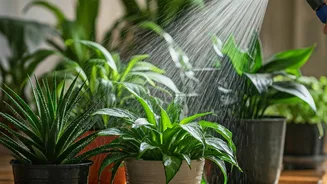
So, how bad is tap water, really? For most hardy houseplants like snake plants or pothos, treated tap water is perfectly fine. The main issue is the accumulation of salts and minerals over time, which can appear as white crust on your terracotta pots or soil surface. For more sensitive plants like calatheas, prayer plants, or carnivorous plants, the chemicals in tap water can cause brown, crispy leaf edges. A simple trick to improve your tap water is to let it sit out overnight in an open container. This allows some of the chlorine to evaporate before you water your plants. While it doesn’t remove fluoride or soften the water, it’s a good-enough compromise for many.
How to Give a Safe Rain Bath
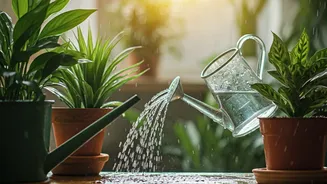
If you decide to try it, a little planning goes a long way. First, aim for a light, gentle, and steady rain, not a torrential thunderstorm that could damage delicate leaves. Check that the outdoor temperature is similar to your indoor environment. Before taking them out, ensure every plant is in a pot with drainage holes. Don't leave them out for too long—15 to 30 minutes is usually plenty. Afterward, give them a gentle shake to dislodge excess water from the leaves and let them drip-dry in a sheltered spot before bringing them back inside. This is also a good time to inspect them for any potential pests. For a safer alternative, simply place a clean bucket or barrel outside to collect rainwater, then use it for your regular watering routine. This gives you all the benefits of pure rainwater without the risks of temperature shock or overwatering.