

The Anonymity of the All-Inclusive
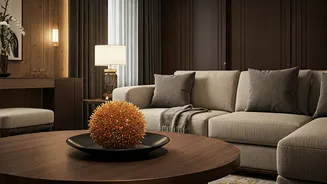
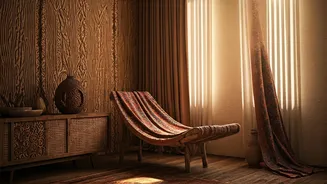
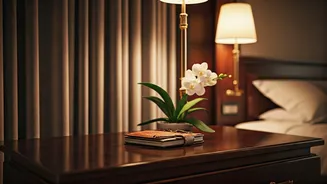
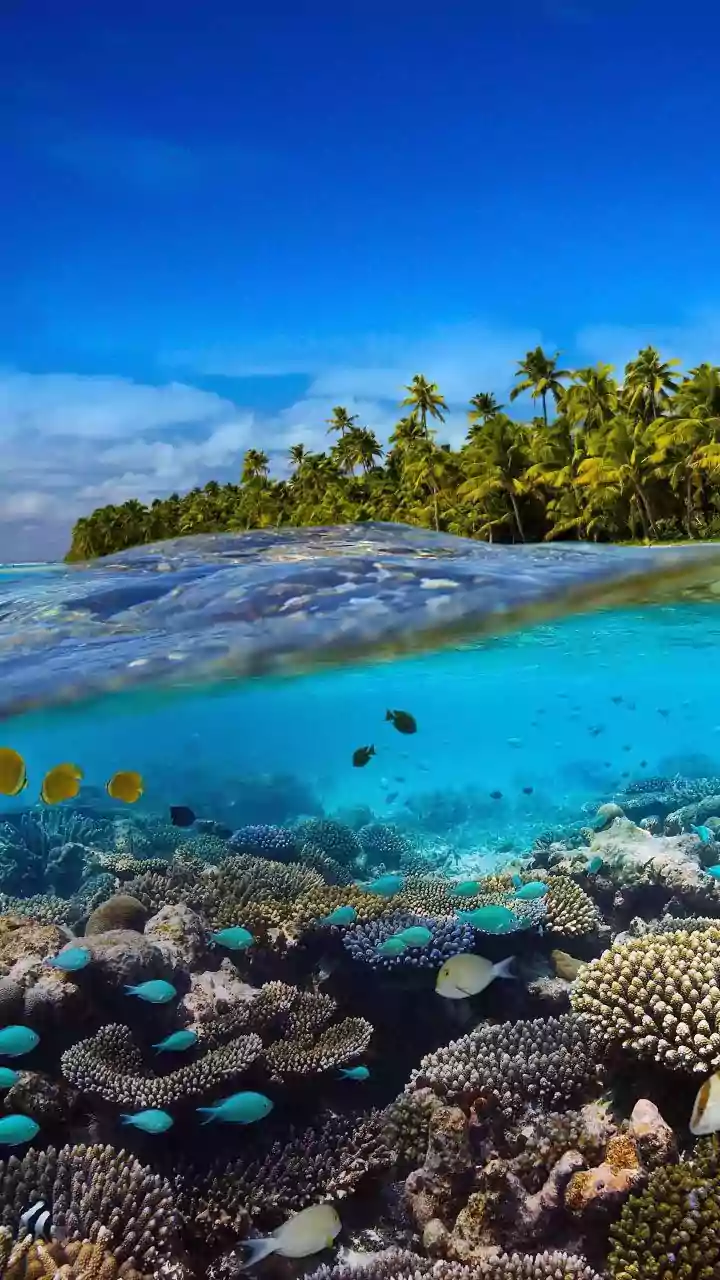
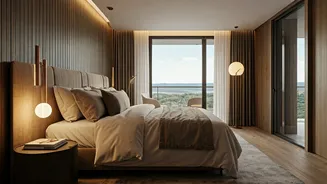
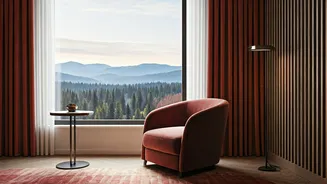
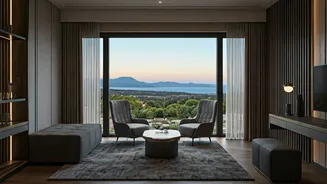
We all know the feeling. You step into a resort lobby, and it could be anywhere from Maui to Mexico. The same beige color palette, the same vaguely tropical art, the same buffet with its predictable international night. This is the kingdom of the copy-paste
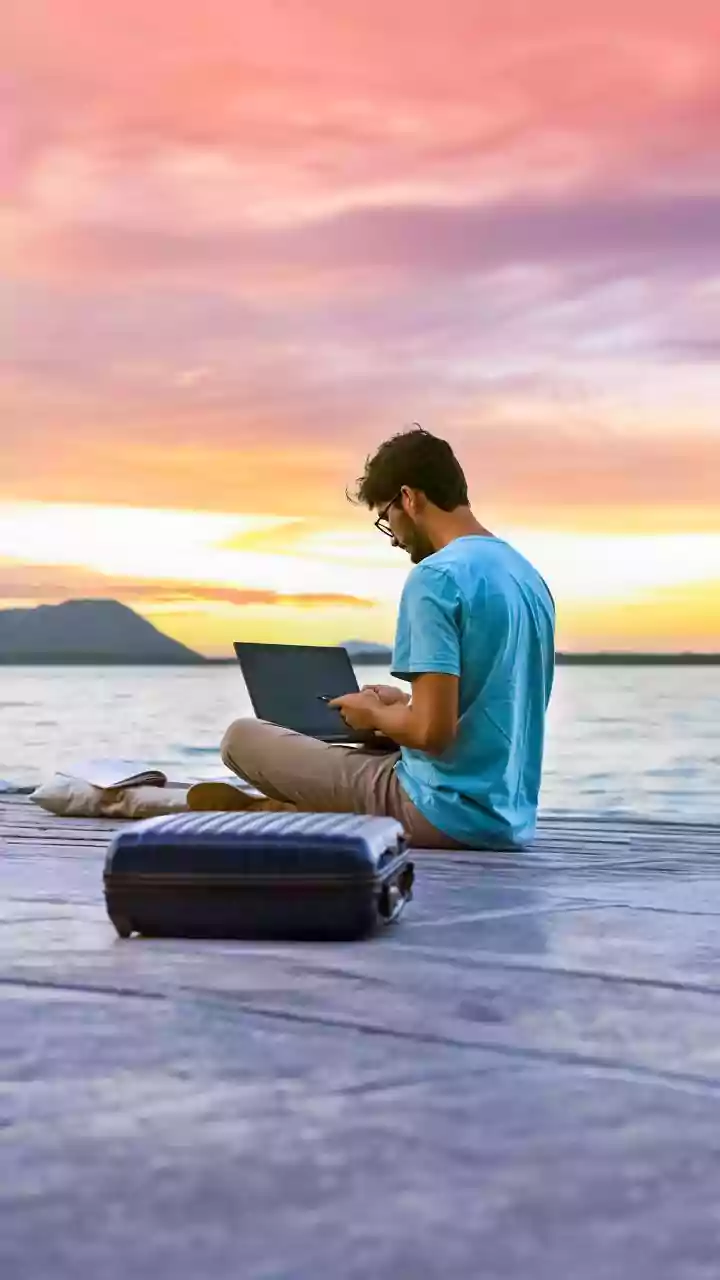
resort, an empire built on efficiency, scalability, and the complete removal of surprise. For decades, this was the pinnacle of American vacationing: a promise of seamless comfort and zero friction. The biggest decision you’d make all day was whether to hit the pool or the swim-up bar first. While there's an undeniable simplicity to this model, a growing number of travelers are realizing what's been lost in the bargain: a sense of place. These resorts are designed to be hermetically sealed bubbles, protecting you from the inconvenience—and the magic—of the world just outside their walls. They offer a vacation from your life, but also, a vacation from the very destination you supposedly traveled to see.
The Allure of the Imperfect Adventure
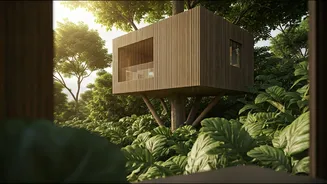
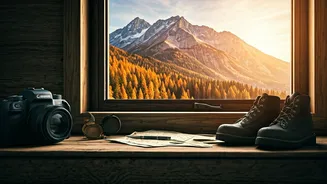
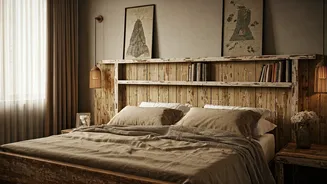
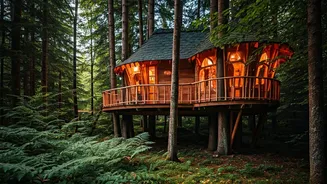
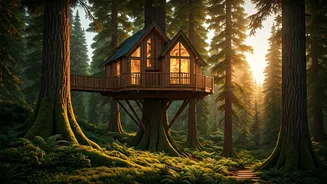
Contrast that with the so-called ‘treehouse’ experience. And no, it doesn’t have to be a literal house in a tree. It’s a shorthand for a philosophy of travel that embraces the unique, the specific, and the slightly imperfect. It’s a restored Airstream in the Texas desert, a yurt in the Catskills, a glass cabin in the forests of the Pacific Northwest. What these places share is a deep connection to their environment. The architecture is often a response to the landscape, not an imposition on it. You hear the rain on the roof, you smell the pine through an open window, you see the stars unfiltered by city lights. The experience is sensory and specific. The charm isn't about five-star service; it's about the creak of a wooden floorboard, the need to build a fire for warmth, or the quirky instructions left by a host who genuinely loves their property. It replaces the passive consumption of a resort with the active participation in an experience. It’s not always as easy, but it’s almost always more memorable.
A Search for the Unfiltered Moment
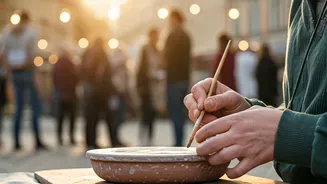
So why is this shift happening now? It’s a perfect storm of cultural and technological changes. First, there's the Instagram effect. While often maligned, the social media pressure to capture a unique, envy-inducing shot has driven travelers far from the predictable resort pool. A picture from a generic hotel looks like any other, but a shot of you sipping coffee on the deck of a fire-lookout tower tells a story. Second, we’re in an era of peak authenticity. After years of digital immersion and curated online personas, people are craving real, tangible experiences. The artisanal, the handmade, and the local have become markers of quality, and travel is no exception. We want to feel connected to something genuine. Finally, the pandemic accelerated our appreciation for nature and seclusion. The idea of being packed into a crowded resort lost its appeal, while the fantasy of escaping to a private, nature-ensconced cabin became the ultimate luxury.
An Economy Built on Experience
This isn't just a fleeting trend; it's a fundamental shift in the travel economy. Platforms like Airbnb and Hipcamp have democratized access to these unique stays, making them as easy to book as a standard hotel room. And travelers are voting with their wallets. They are often willing to pay a premium, not for more amenities, but for a better story. The value proposition has changed. The new luxury isn't about thread counts or having a butler on call. It's about access—to a unique view, to silence, to a memorable experience that can't be replicated. Large hotel chains are starting to notice, scrambling to acquire smaller boutique brands or launch their own 'lifestyle' collections to capture a piece of this market. They recognize that for a new generation of travelers, the experience *is* the amenity. In that context, the standardized resort, with its one-size-fits-all approach, finds it increasingly difficult to compete on the one metric that now matters most: charm.