






Rajasthan's Verdant Anomaly
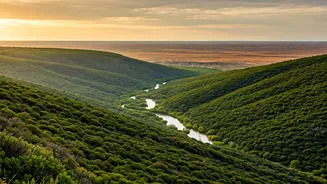
When you picture Rajasthan, you likely imagine vast golden deserts, ancient forts baking under a relentless sun, and cities buzzing with vibrant, arid heat. And you’d be right. But nestled in the Aravalli Range is an outlier, a geological and climatic
surprise: Mount Abu, the state’s only hill station. At its heart lies Nakki Lake, a man-made body of water that serves as the town’s spiritual and social center. While most of India’s popular destinations are best visited in the dry, cooler months, Mount Abu is one of the rare places that blossoms during the monsoon. From July through September, when the rest of the state is sweltering, this little corner of Rajasthan is transformed into a cool, cloud-covered sanctuary, offering a reprieve that feels worlds away from the desert plains below.
The Magic of the Monsoon
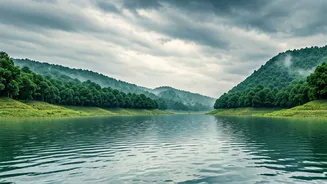
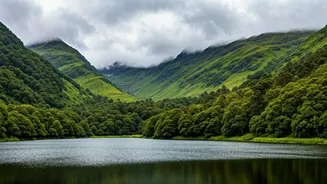
Visiting Nakki Lake during the rainy season is less about sightseeing and more about atmosphere. The experience is a sensory immersion. Heavy, moisture-laden clouds descend from the sky, blanketing the lake and surrounding hills in a thick, rolling mist that can reduce visibility to mere feet. The constant, gentle patter of rain on the lake’s surface creates a soothing, meditative soundtrack. The landscape, parched for months, erupts in a riot of emerald green. The air is heavy with the scent of wet earth and fresh foliage. This isn’t the dramatic, thundering downpour of a tropical storm; it’s a persistent, gentle drizzle that encourages you to slow down. It’s the perfect weather for finding a cozy cafe, grabbing a cup of hot chai, and watching the world dissolve into a watercolor painting of gray and green.
Myths and Legends on the Water
Like many ancient sites in India, Nakki Lake is steeped in mythology that adds a layer of enchantment to its physical beauty. The name itself, “Nakki,” comes from the Hindi word for nails (*nakh*). One popular legend claims the gods, seeking refuge from a demon, dug the lake basin with their fingernails. Another, more romantic tale tells of a local sculptor, Balam Rasiya, who was tasked with digging the lake overnight to win the hand of the king’s daughter. Whether carved by divine digits or a lovesick artist, these stories infuse the placid waters with a sense of timeless wonder. When you glide across the lake in a colorful pedal boat and the mist obscures the shore, it’s easy to feel like you’ve drifted into a page of folklore.
Beyond the Lakeshore
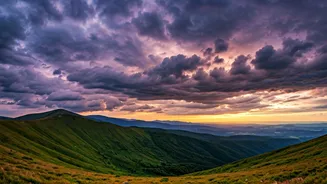
While the lake is the main attraction, the monsoon enhances everything around it. A leisurely walk along the 1.5-mile path that encircles the water is a must, even in the rain. Street vendors sell roasted corn on the cob, a perfect warm snack for a cool, damp day. For a more adventurous outing, a short trek up to Toad Rock—a massive stone formation shaped uncannily like its namesake—offers breathtaking (if intermittent) views of the misty lake below. Nearby Sunset Point, often mobbed during peak season, becomes a quiet, contemplative spot where you can watch the clouds swirl and shift, occasionally parting to reveal a dramatic, rain-washed vista. Even the exquisite, 11th-century Dilwara Temples, famous for their intricate marble carvings, take on a different character, their cool stone halls feeling like a hallowed refuge from the gentle storm outside.
Planning Your Rainy Retreat
To experience Nakki Lake in its full monsoon glory, plan your visit between July and September. The easiest way to reach Mount Abu is by flying into Udaipur, about a 3-hour drive away, or by taking a train to the nearby Abu Road station, followed by a one-hour taxi ride up the winding mountain pass. Pack accordingly: a reliable rain jacket, waterproof shoes with good grip for slick stone paths, and a few extra layers are essential, as the evenings can get surprisingly chilly. Forget your itinerary of ticking off sights. The best way to experience a rainy Mount Abu is to embrace the pace of the weather—slow, unhurried, and deeply restorative.