


Why Practical is the New Pretty
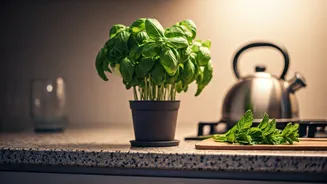
For years, home decor has been about aesthetics first. But in the kitchen—a room fundamentally about function—a new mindset is taking root. We're trading dust-collecting trinkets for things that serve a dual purpose. A pot of basil on the windowsill isn't
just a pop of green; it's the finishing touch on your pasta. A trailing pothos doesn't just fill an empty corner; it thrives in the humidity from your boiling pots. This shift towards 'practical decor' is about making our spaces work for us, infusing them with life, flavor, and a tangible connection to nature. It’s a design choice that nourishes both body and soul.
The Countertop Herb Garden
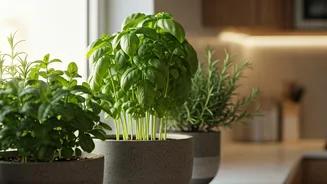
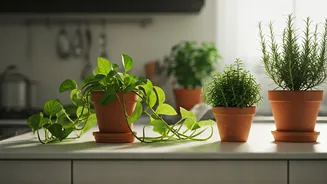
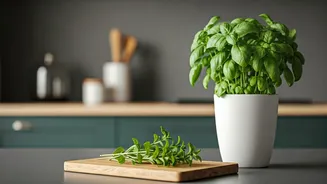
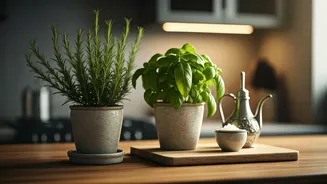
This is the perfect entry point into the world of kitchen plants. Nothing makes you feel more like a seasoned chef than snipping fresh herbs for a meal. Most herbs are compact, love the bright light of a kitchen window, and reward you with incredible flavor. Start with the classics: Basil loves sunshine and regular watering, perfect for caprese salads. Mint is notoriously easy to grow (keep it in its own pot, or it will take over!) and is ideal for mojitos or fresh tea. Rosemary is a hardy, woody herb that adds an earthy aroma to the room and transforms roasted potatoes. Thyme, parsley, and chives are other excellent, low-maintenance choices that look lovely in a collection of small terracotta pots.
Edibles Beyond the Herb Box
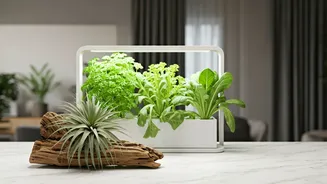
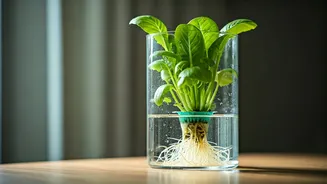
Ready to graduate from herbs? Your kitchen can host a surprising variety of other edible plants. Scallions, or green onions, are one of the most rewarding. Simply place the root ends in a jar of water on your windowsill, and they will regrow endlessly. Microgreens are another fantastic option; they’re packed with nutrients and grow quickly in a shallow tray, providing a peppery or zesty topping for salads and sandwiches. For the more ambitious, a compact chili pepper plant can thrive in a sunny spot, producing colorful peppers that add heat to your cooking. Even a pot of lettuce can be grown indoors, offering the freshest salad greens imaginable.
The Hard-to-Kill Helpers
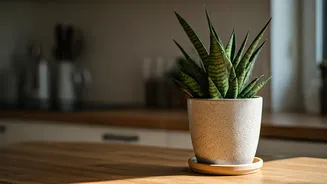
Not every kitchen plant has to be edible. Some are just there to look good and tolerate the unique environment of a kitchen, which often has fluctuating temperatures and humidity. The Snake Plant (Sansevieria) is a champion of neglect; it handles low light and infrequent watering, and its upright, architectural leaves add a modern touch. The Spider Plant (Chlorophytum comosum) is another classic, known for being incredibly resilient and producing charming little 'spiderettes' that can be repotted. Both are often cited for their air-purifying qualities, which is a welcome bonus in a room filled with cooking fumes and food odors.
Humidity-Loving Beauties
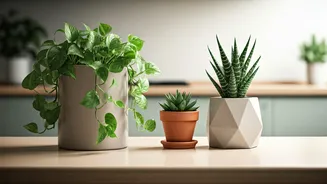
Your kitchen might be the most humid room in your home, thanks to steam from cooking and dishwashing. While this can be a problem for some plants, others absolutely love it. The Golden Pothos is a prime example. This vining plant is nearly indestructible and its heart-shaped leaves will happily trail down from the top of a cabinet or a high shelf, creating a lush, jungle-like effect. It thrives in various light conditions and actually enjoys the moist air. Similarly, many varieties of Fern, like the Bird's Nest Fern, appreciate the higher humidity and can add a soft, feathery texture to your kitchen decor, breaking up all the hard surfaces of countertops and appliances.
Simple Styling Tips
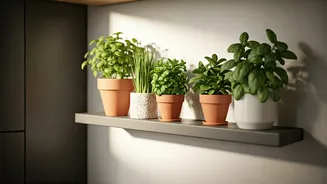
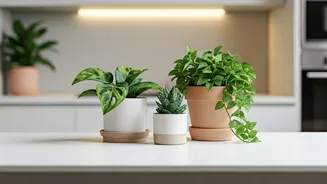
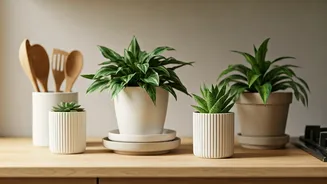
How you display your plants is half the fun. A windowsill is the most obvious spot, especially for sun-loving herbs. But don't stop there. Grouping three small pots of varying heights on a wooden tray creates an attractive centerpiece for an island. Use vertical space by installing a small hanging planter in a corner for a trailing plant. Open shelving is the perfect stage for a mix of edible and decorative plants alongside your favorite cookbooks and dishes. Don't be afraid to mix and match pots—ceramic, terracotta, and metal can all coexist to create a look that feels collected and personal.