





An Introduction to the Valley
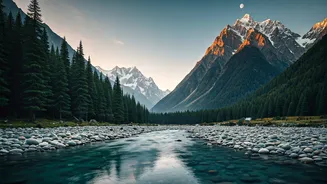
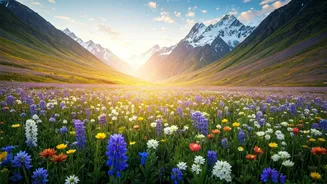
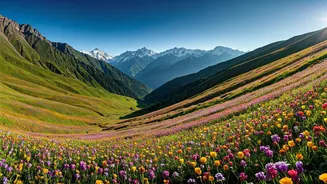
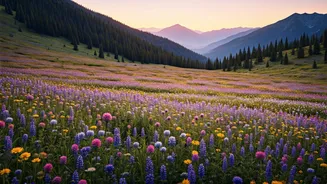
Tucked away in the northern Indian state of Himachal Pradesh, the Parvati Valley is a place that feels deliberately out of step with the 21st century. Carved by the ferocious Parvati River, which rushes down from the Mantalai Glacier, this emerald-green
gorge has long been a whispered-about destination on the global backpacker circuit. It's a key artery of the so-called “hippie trail” of the '60s and '70s, and that spirit of gentle counter-culture and spiritual seeking endures. The valley is dotted with small, slow-paced villages like Kasol, the main hub, and more remote hamlets like Tosh, Chalal, and Pulga, each offering a slightly different flavor of mountain life. But the real magic isn't found in any town; it’s found on the banks of the river that gives the valley its name and its soul.
Life on the River's Edge
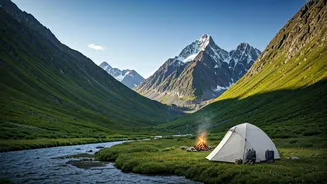
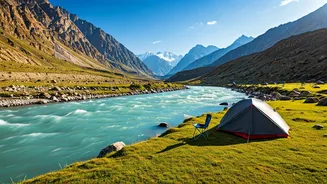
Riverside camping here is a fundamentally rustic affair. Forget glamping with high-thread-count sheets and Wi-Fi-enabled speakers. This is about simplicity. The campsites that pepper the riverbanks, particularly between Kasol and the trekking base of Manikaran, are often just a collection of basic tents, a communal fire pit, and an open-air café serving hot chai and simple food. The experience is defined not by what's there, but by what isn't. There are no deadlines, no traffic, and no endless notifications. Instead, the soundtrack to your day is the constant, percussive boom of water against stone—a sound so powerful it seems to vibrate through the ground and into your bones. Evenings are spent huddled around a bonfire, sharing stories with travelers from around the world under a canopy of stars so bright they seem almost within reach, a sight most city dwellers have long forgotten.
The Forced Digital Detox
The headline's claim of being the “ultimate way to disconnect” isn't hyperbole; it’s a geographical and infrastructural reality. In much of the valley, cell service is spotty at best and completely absent at worst. The Wi-Fi in guesthouses and cafés is notoriously unreliable, a feature many visitors come to appreciate. This isn't a place where you *choose* to put your phone away; it's a place where the mountains make the choice for you. After an initial, twitchy period of phantom vibrations and reaching for a device that has no signal, a sense of calm settles in. Your attention shifts outward—to the soaring Himalayan Griffons overhead, the scent of pine and deodar cedar in the air, the changing light on the peaks. You start to notice the world again, not through a screen, but with your own senses. This forced detox is what makes the disconnection so profound and, for many, so necessary.
Beyond the Tent Flap
While the core experience is about stillness, the valley invites gentle exploration. From your riverside base, you can take easy day hikes to nearby villages. A walk to Chalal offers stunning viewpoints and a quieter alternative to Kasol's bustling market. For the more ambitious, the multi-day trek to Kheerganga—famous for its natural hot springs—is a pilgrimage in itself, taking you through dense forests and past cascading waterfalls. Even just exploring the markets of Kasol can be an adventure, with its mix of Israeli food, Himachali crafts, and trekking gear shops. These small journeys provide a rhythm to the day, ensuring the tranquility never tips into boredom. It’s a perfect balance of deep rest and light adventure, allowing you to engage with your surroundings on your own terms.
Know Before You Go
This kind of raw, immersive travel requires a certain mindset. Parvati Valley is stunningly beautiful but also rugged and, at times, unforgiving. Weather can change in an instant, and amenities are basic. It’s essential to pack layers, carry a first-aid kit, and always respect the local culture, which is a unique blend of traditional Himachali customs and a transient international population. The valley has a complex reputation, and while it's a welcoming place for mindful travelers, exercising common sense and caution is paramount, especially when trekking or traveling solo. This isn't a five-star resort experience; it's an adventure for the soul, and it rewards those who come prepared and with an open heart.