
The New Reign of Rose
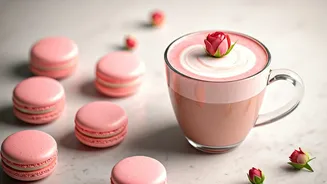
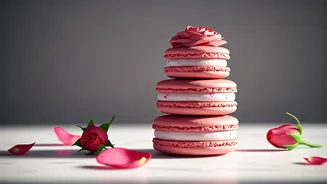
Suddenly, it’s everywhere. A hint of rose in your morning latte, a swirl of it in your artisanal ice cream, the defining note in a feather-light macaron. Once relegated to grandmother’s potpourri or niche Middle Eastern markets, rose has officially broken
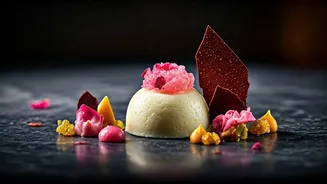
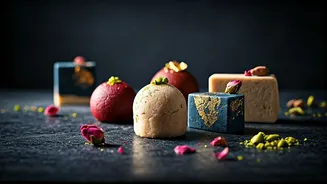
into the mainstream American palate. You’ll find it in craft cocktails, decorating wedding cakes, infused into gourmet chocolate bars, and even lending a sophisticated twist to simple shortbread. This isn’t the brash, perfume-like flavor you might fear. Today’s use of rose is all about subtlety and balance. Chefs and bakers are using high-quality rosewater and syrups to add a delicate, almost ethereal layer of complexity that elevates desserts from merely sweet to genuinely memorable. It’s a quiet revolution against the loud, over-the-top flavors that have dominated for decades.
More Than Just a Pretty Scent
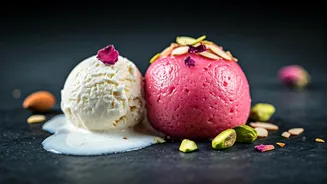
So, what does rose actually taste like? For many Americans, the initial thought is soap or perfume, but that’s a misconception born from artificial imitations. True culinary rose is a revelation. It’s subtly sweet, with bright, slightly fruity notes reminiscent of strawberries and green apples, all wrapped in its signature floral aroma. When used correctly, it doesn’t overpower; it harmonizes. Think of it as a background vocalist that makes the lead singer—be it vanilla, pistachio, or raspberry—sound even better. It adds a whisper of intrigue, a flavor that makes you pause and ask, “What is that?” This complexity is a welcome antidote to the one-note sugar rush of so many commercial sweets. It engages more than just the taste buds; it engages memory, scent, and a sense of occasion, turning a simple dessert into a full sensory experience.
An Ancient Flavor's Modern Moment
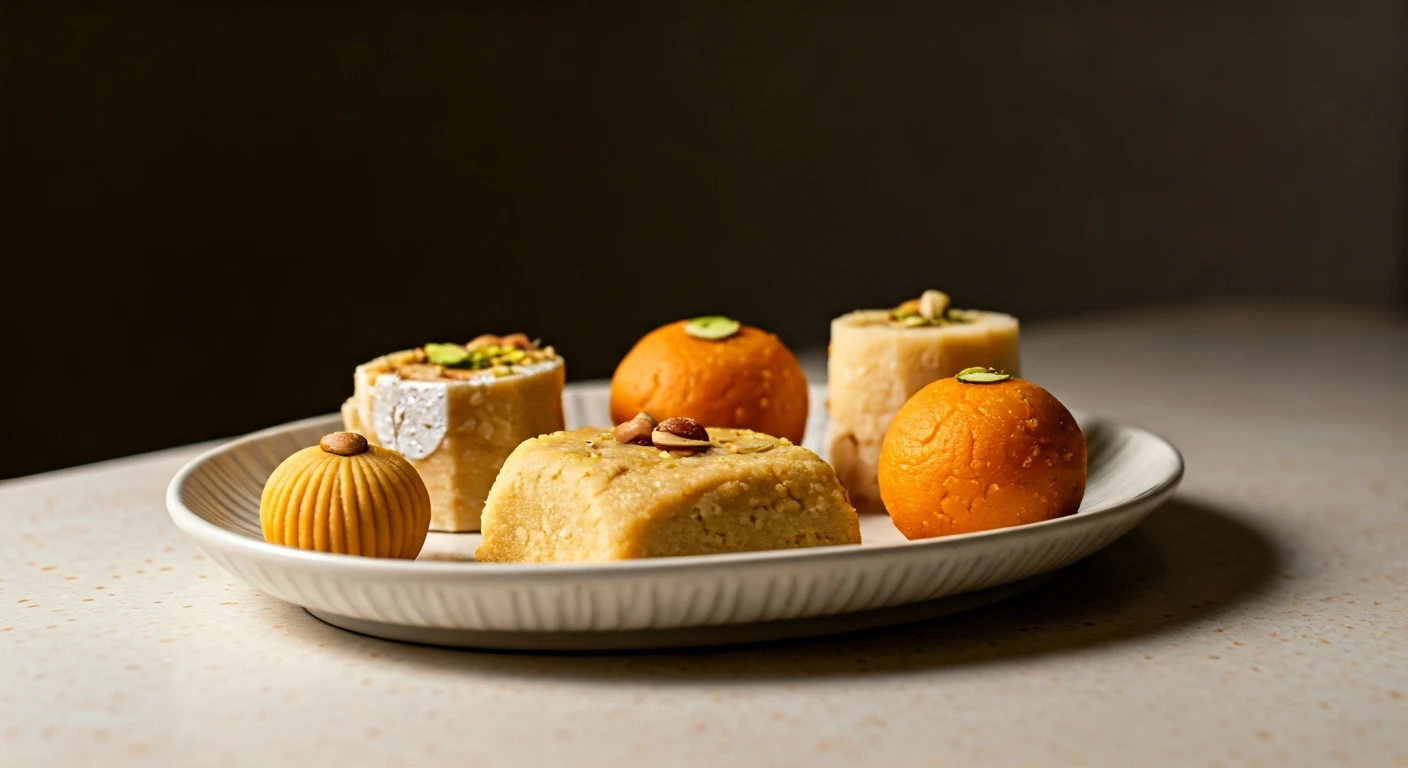
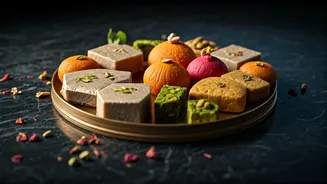
While it may feel like a new trend in the U.S., cooking with rose is an ancient practice. For centuries, it has been a cornerstone of Persian, Middle Eastern, and South Asian cuisines. Rosewater is a key ingredient in everything from the syrupy delight of baklava to the creamy comfort of Indian kulfi and the fragrant Persian rice pudding, sholeh zard. Its historical use was tied not just to flavor, but to concepts of beauty, love, and even medicine. This rich history gives the current trend a grounding and authenticity that other fleeting fads lack. What we’re witnessing is less an invention and more a rediscovery—a Western embrace of a flavor profile that half the world has cherished for millennia. By incorporating rose, chefs are not just adding a flavor; they’re tapping into a deep well of culinary tradition.
The 'Soft and Fancy' Aesthetic
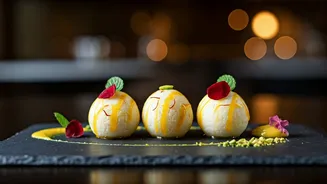
The rise of rose is about more than just taste; it’s about a feeling. In a world of digital noise and constant stimulation, the appeal of something “soft and fancy” is powerful. Rose-flavored desserts align perfectly with the current cultural mood that favors cottagecore aesthetics, mindful moments, and understated luxury. They look beautiful on Instagram, with their pale pink hues and occasional garnish of an edible flower petal, but their appeal is deeper. The flavor itself is gentle, not aggressive. It suggests a slower, more deliberate form of enjoyment. Choosing a rose-pistachio cupcake over a triple-fudge brownie feels like a conscious choice for elegance over indulgence, nuance over noise. It’s a small taste of tranquility, a dessert that feels both special and soothing.