



The Scene on the Street
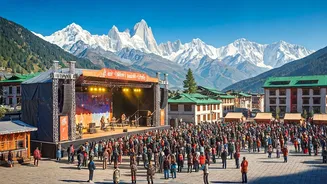
Step onto Shimla’s Mall Road during a holiday rush, and you’re immediately swept into a current of humanity. Families bundled in colorful woolens, couples strolling hand-in-hand, and groups of friends laughing navigate the wide, pedestrian-only promenade.
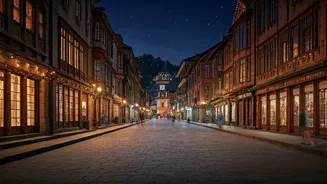
The sun sets behind the Himalayan peaks, casting a warm glow on the stately Victorian buildings that line the street. As twilight deepens, ornate street lamps flicker to life, illuminating shop windows filled with everything from intricate wooden crafts to trendy winter coats. The energy is palpable—a mix of festive celebration and the timeless leisure of a mountain getaway. This isn't just a street; it's the social artery of one of India's most beloved destinations, pulsing with life from dawn until late into the night.
The Colonial Summer Capital
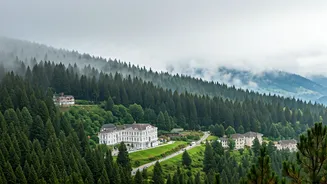
To understand Mall Road, you have to understand Shimla itself. Dubbed the “Queen of the Hills,” Shimla served as the summer capital of British India from 1864 until India’s independence. When the oppressive heat of the Indian plains became unbearable, the entire British administration would decamp to this cool mountain refuge. Mall Road was built as their exclusive promenade, a place for leisurely walks, high-society gossip, and formal parades. The architecture reflects this history, with buildings like the mock-Tudor Gaiety Theatre and the stately Town Hall looking as if they were plucked from an English market town. This colonial past gives Shimla a unique, almost cinematic atmosphere that sets it apart from any other place in India.
The Heartbeat of the Hills
Today, Mall Road is for everyone. It remains the undeniable center of Shimla, a place where locals and tourists converge. Vehicles are largely banned, making it a walker’s paradise. The street stretches for several kilometers, connecting key points of the city. At its eastern end is the Ridge, an expansive open space offering panoramic views of the surrounding snow-capped mountains. Here you’ll find the iconic, canary-yellow Christ Church, one of the oldest churches in North India. The Ridge is also home to “Scandal Point,” the fabled intersection where, according to local lore, a British Viceroy’s daughter eloped with an Indian maharaja, creating the biggest scandal of its time. Whether fact or fiction, the name stuck, adding another layer to the area’s rich tapestry of stories.
Tastes and Treasures of the Mall
A walk down Mall Road is a sensory journey. Street vendors offer steaming hot “bhutta” (roasted corn on the cob) slathered in lime juice and spices, a perfect snack for the cool weather. Cozy cafes, some dating back decades, invite you in for a cup of hot coffee or a plate of pastries. You can find modern chains alongside old-world bakeries and restaurants serving everything from Tibetan momos (dumplings) to North Indian curries. The shopping is just as eclectic. Stores like the Himachal Emporium offer authentic, high-quality woolen shawls, caps, and handicrafts made by local artisans. It’s a place to find a unique souvenir, enjoy a simple, delicious meal, or just sit on a bench and people-watch as the world goes by.