


The Urban Squeeze
Imagine living in Mumbai, one of the most densely populated urban areas on the planet. Your home, a compact apartment or 'flat', is a precious sanctuary from the city's exhilarating chaos. Space is the ultimate luxury. While many dream of a kitchen garden
brimming with fresh herbs and vegetables, reality often presents a significant obstacle: a lack of square footage. Balconies, if they exist, are often small, shaded by neighboring buildings, or reserved for the utilitarian tasks of city living, like drying laundry. For millions of residents in booming Indian cities like Bengaluru, Delhi, and Hyderabad, the traditional image of a sprawling garden is simply out of reach. This urban squeeze has forced a generation of aspiring gardeners to look inward—literally. The question wasn't whether they wanted to grow, but how they could possibly do it within the four walls of their home.
When the Balcony Isn't Enough
Even for those lucky enough to have a balcony, success is not guaranteed. India’s climate, while ideal for many forms of agriculture, presents unique challenges for the small-scale urban gardener. The intense, direct sun of the dry season can scorch delicate plants, while the torrential downpours of the monsoon can flood pots and wash away soil. Furthermore, sunlight is an unpredictable commodity in a dense cityscape. A neighboring high-rise can cast a permanent shadow, denying plants the consistent light they need to thrive. Traditional gardening methods often fall short against these urban and meteorological realities. The result was often a collection of sad, leggy plants stretching desperately for a sliver of sun—a frustrating experience for anyone hoping to cultivate a green thumb.
The Glow-Up: Technology Steps In
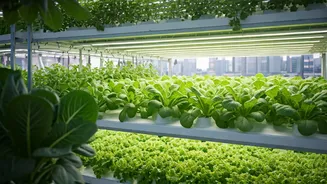
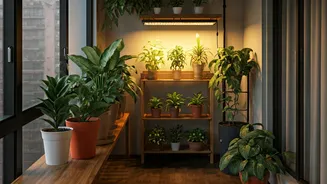
This is where the humble grow light changes the entire equation. Once the domain of commercial greenhouses and specialty horticulturists, affordable, energy-efficient LED grow lights have become widely available to the average consumer. In India, e-commerce platforms are filled with options, from single-bulb lamps that can clamp onto a shelf to full-spectrum panels designed for multi-plant setups. Suddenly, a dark corner of a living room, a spare patch of kitchen counter, or a bookshelf can be transformed into a productive garden. These lights provide a consistent, customizable spectrum of light, untethering plant growth from the whims of weather and architecture. Aspiring gardeners can now successfully cultivate everything from essential culinary herbs like tulsi (holy basil), mint, and coriander to leafy greens, chili peppers, and even cherry tomatoes, all year round. It’s not just about food; it’s also about bringing ornamental plants and a sense of wellness indoors.
A Universal Urban Story
While the setting is an Indian flat, the story is one that resonates globally, particularly here in the United States. The challenges and desires of a Mumbaikar in a tiny apartment aren't so different from those of a New Yorker in a studio or a San Franciscan in a micro-condo. Urbanization, the wellness movement, a growing interest in knowing where our food comes from, and the simple, profound psychological benefits of being around plants are powerful, borderless trends. The solution, too, is universal. The same LED technology that empowers an Indian family to grow its own herbs is what allows a Chicagoan to keep a fiddle-leaf fig alive through a brutal winter. This isn't just a story about India; it's a story about the future of urban living, where technology helps us reclaim a vital connection to nature, no matter how small our space.