





First, What Is 'Gut Diversity'?
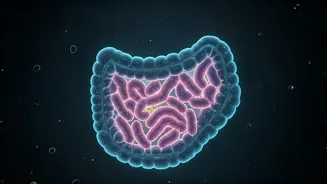
Let's get this out of the way: your gut is not just a tube for processing food. It's home to a bustling ecosystem of trillions of microorganisms—bacteria, fungi, and viruses—collectively known as your gut microbiome. Think of it as a rainforest teeming
with life, living right inside you. 'Gut diversity' is simply a measure of how varied this internal rainforest is. A highly diverse gut has many different species of microbes, each with its own job. Some help digest fiber, others produce essential vitamins, and many play a crucial role in training your immune system. A low-diversity gut, by contrast, is more like a monoculture farm—less resilient and more vulnerable to disruption. When one or two species dominate, the whole system can become unbalanced, a state scientists call 'dysbiosis,' which has been linked to a range of health issues.
Why Is Everyone Talking About It Now?
The concept isn't brand new, but advances in genetic sequencing have suddenly made the microbiome much easier to study. Scientists are uncovering fascinating links between gut health and everything from mental health (the 'gut-brain axis') to allergies and autoimmune diseases. It's a genuine and exciting frontier of medical research.
Of course, where science goes, the wellness industry quickly follows. The term 'gut diversity' is marketing gold. It sounds scientific, important, and—best of all—fixable with a product. It's the perfect successor to vague terms like 'detox' or 'cleanse.' The idea that you can measure and 'optimize' your internal ecosystem is incredibly appealing in our data-driven culture, creating a fertile market for everything from specialized yogurts and supplements to expensive at-home microbiome testing kits.
The Science-Backed Way to Improve It
Here's the good news: the most effective strategies for improving gut diversity are well-established, don't require a subscription, and are probably things your grandmother told you to do anyway. The number one driver of gut diversity is diet.
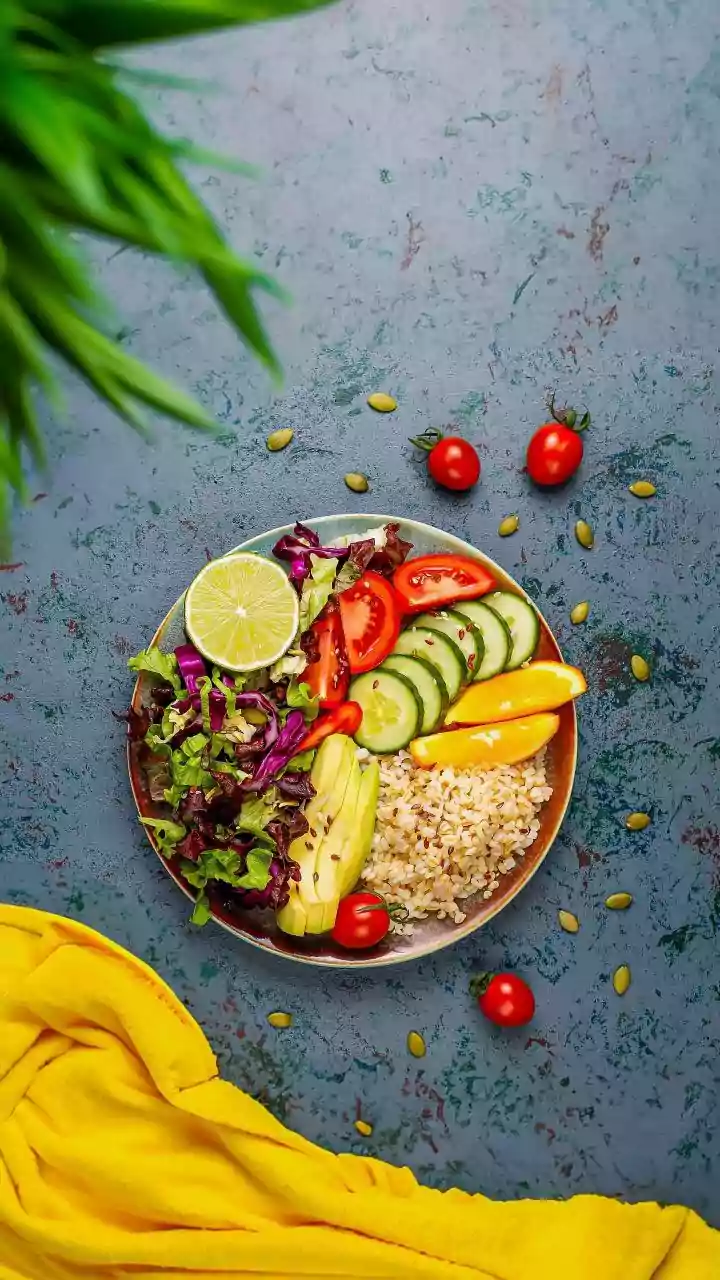
Your gut microbes eat what you eat, and different microbes prefer different foods. To cultivate a diverse community, you need to provide a diverse menu. This means focusing on fiber. Most microbes thrive on complex carbohydrates found in plants that your body can't digest on its own. A simple and effective goal is to 'eat the rainbow,' incorporating a wide variety of fruits, vegetables, whole grains, nuts, and legumes into your diet. Some experts suggest aiming for 30 different plant types per week to maximize microbial diversity.
Additionally, incorporating fermented foods like yogurt, kefir, kimchi, and sauerkraut can introduce beneficial live bacteria (probiotics) directly into your system, potentially giving your native community a boost.
Where Hype Outruns The Evidence
This is where you need to put your skeptic's hat on. While the concept of gut diversity is sound, many products claiming to improve it are on shaky ground.
Probiotic supplements, for example, can be a minefield. The industry is largely unregulated, and the effectiveness of a probiotic is highly strain-specific. A pill that helps with one condition may do nothing for gut diversity in a healthy person, and many supplements may not even survive the journey through the stomach.
Even more dubious are many at-home microbiome testing kits. While they can give you a snapshot of who’s living in your gut, the science isn't advanced enough to provide actionable, personalized advice for most people. These tests can create health anxiety by highlighting 'deficiencies' without offering clinically proven solutions, often pointing you toward that same company’s proprietary supplements. For now, they are more of a novelty than a diagnostic tool.