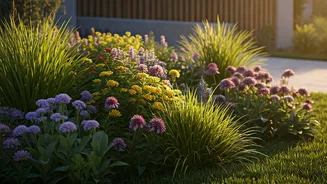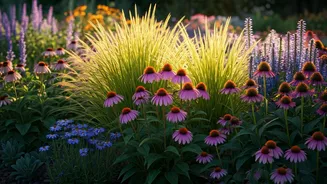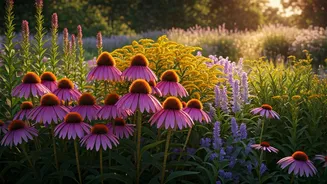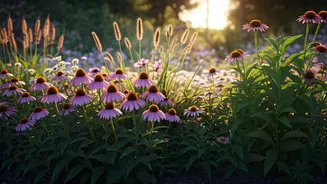




1. They Save Water (and Money)
Native plants are the original smart-tech of the gardening world. They have spent thousands of years adapting to your region’s specific climate and rainfall patterns. Unlike thirsty turf grass or exotic flowers that require constant watering to survive
a hot summer, native species have developed deep root systems that are incredibly efficient at finding and retaining moisture. Once they are established, many native perennials, shrubs, and trees require little to no supplemental watering outside of prolonged droughts. This translates directly into a lower water bill and less time spent dragging a hose around your yard. It’s a win for your wallet and for a precious natural resource.
2. They Create a Haven for Wildlife
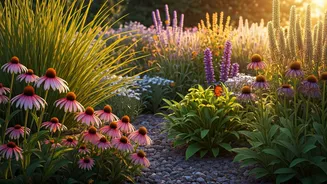
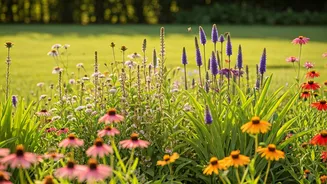
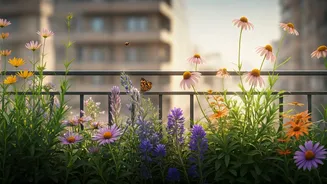
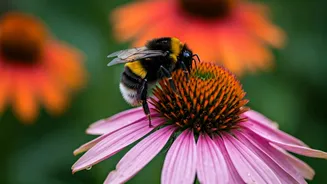
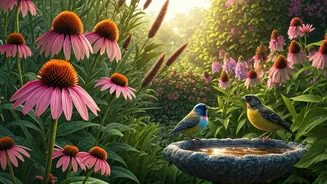
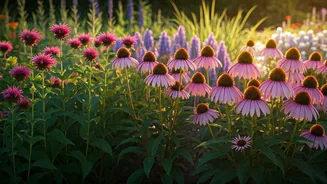
Your yard can be more than just green space—it can be a vital part of the local food web. Native plants provide the specific food and shelter that local wildlife needs to thrive. The leaves of a native oak tree, for example, can support hundreds of species of caterpillars, which in turn become essential food for baby birds. The nectar from native flowers like bee balm or coneflowers is perfectly suited for local pollinators, from hummingbirds to monarch butterflies. Non-native plants, even beautiful ones, often act as a 'food desert' for local insects and animals. By planting natives, you are rolling out the welcome mat for birds, bees, and butterflies, creating a dynamic and living landscape.
3. They Require Far Less Work
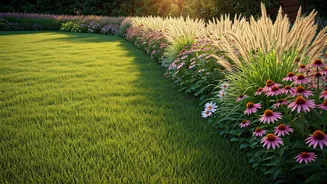
Imagine a garden that largely takes care of itself. That’s the promise of a native landscape. Because these plants are perfectly suited to your local soil and climate, they don't need the constant coddling that many conventional garden plants demand. Forget about amending your soil with bags of store-bought additives or applying weekly fertilizers. Native plants are already in their ideal environment. This means less time spent on labor-intensive chores and more time enjoying the beauty and life in your yard. A native garden trades high-maintenance fuss for low-maintenance resilience, giving you your weekends back.
4. They Help Reduce Chemical Use
A healthy ecosystem has its own system of checks and balances. Native plants have co-evolved with local insects and developed natural defenses against common pests and diseases in your area. This inherent resilience means you can ditch the synthetic pesticides and fungicides that are often required to keep non-native species alive. Furthermore, since native plants thrive without artificial help, you won't need to apply chemical fertilizers that can run off into local streams and waterways. A native garden is a cleaner, safer environment for your family, your pets, and the surrounding ecosystem.
5. They Restore a Sense of Place
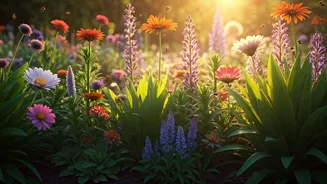
So many American neighborhoods look the same, with identical stretches of lawn and the same handful of imported shrubs. A garden filled with native plants connects your home to the unique natural beauty of your region. Whether it’s the purple of a prairie coneflower in the Midwest, the fiery red of a hummingbird sage in California, or the delicate blossoms of a mountain laurel in the Appalachians, native plants give your landscape a distinct character. This style of gardening celebrates what makes your corner of the country special, creating a landscape that is not only beautiful and functional but also deeply authentic.