





An Island Born of a River
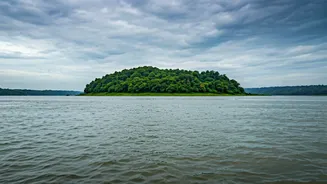
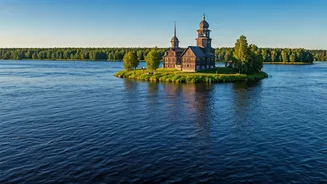
Nestled in the remote state of Assam in Northeast India, Majuli is a place defined by water. Recognized by Guinness World Records as the world’s largest river island, it’s a lush, sprawling landmass formed and fed by the sediment of the Brahmaputra. Life
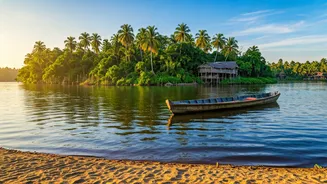
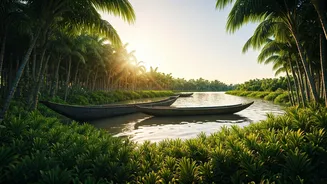
here moves at a different pace. Homes are built on stilts, villagers navigate the landscape in hand-carved boats, and the rhythm of the seasons is dictated by the river’s moods—from the gentle flow of the dry season to the torrential floods of the monsoon. To arrive in Majuli is to feel like you’ve stepped back in time. There are no sprawling cities or traffic jams, only serene rice paddies, wetlands teeming with migratory birds, and small villages where ancient traditions are a part of daily life. The island is not just a geographical anomaly; it's a living ecosystem where humanity and one of Asia’s most formidable rivers exist in a delicate, ever-changing balance.
The Heart of Neo-Vaishnavite Culture
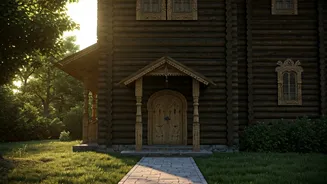
What truly makes Majuli a cultural gem is its role as the cradle of Neo-Vaishnavism in Assam, a monotheistic stream of Hinduism established in the 15th and 16th centuries by the saint and social reformer Srimanta Sankardeva. To escape persecution, he and his followers established cultural monasteries known as *Sattras* on the island. These are not silent, cloistered institutions; they are vibrant, living centers of art, music, and philosophy. Unlike mainstream Hinduism, which often involves idol worship, Neo-Vaishnavism focuses on devotion through performance and artistic expression. The *Sattras* became repositories of culture, teaching everything from classical dance and music to mask-making and religious manuscript painting. Today, a few dozen of these unique institutions remain, each with its own lineage of monks—some celibate, some not—who dedicate their lives to preserving these sacred arts. Walking through the prayer halls and workshops of a Sattra, you are not just a tourist; you are a witness to a 500-year-old spiritual tradition that is practiced, performed, and passed down every single day.
Where Art Is a Form of Worship
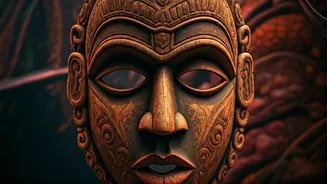
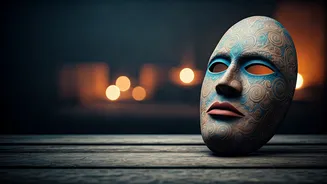
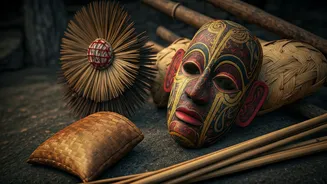
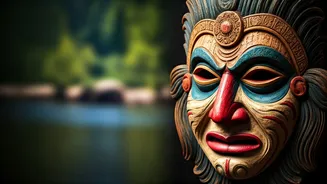
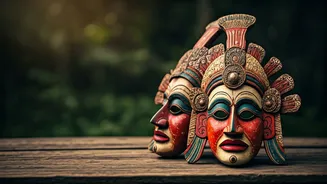
In Majuli, creativity is devotion. The island is famous for its intricate mask-making. In the workshops of the *Sattras*, artisans spend weeks crafting elaborate, life-sized masks from bamboo, clay, and cloth, depicting gods, demons, and animals from Hindu epics. These are not mere decorations; they are sacred objects used in *Bhaona*, a traditional form of religious musical theater. During festival times, the island comes alive with these performances, where actors don the masks and bring ancient stories to life through dance, dialogue, and song, captivating entire villages. Beyond the stage, the island’s artistic spirit is visible in its pottery, made from a special riverbank clay and fired without a wheel, and in the elegant longboats that are still the primary mode of transportation. This is a society where art is not a commodity but a fundamental expression of community and faith.
A Land Against the Tide
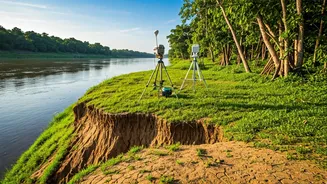
For all its cultural richness, Majuli is a profoundly fragile place. The same river that created the island is now slowly consuming it. Climate change and upstream deforestation have intensified the Brahmaputra's currents, leading to catastrophic erosion. Every year during the monsoon, huge chunks of the island are washed away. Scientists estimate that Majuli has lost more than a third of its landmass over the past half-century. Villages have vanished, families have been displaced, and ancient *Sattras* have been forced to relocate or have been lost to the water entirely. The fight to save Majuli is a constant battle, with locals building bamboo barriers and the government exploring larger engineering solutions. The island’s inclusion on the tentative list for UNESCO World Heritage status brings hope for more concerted preservation efforts, but for the people of Majuli, the threat is existential. Their home, their history, and their unique way of life are literally eroding before their eyes.