



The Great Room’s Great Resignation
For decades, the open-concept floor plan was the undisputed king of American home design. Tearing down walls to create a single, flowing space for cooking, dining, and living was sold as the key to family togetherness and effortless entertaining. Then,
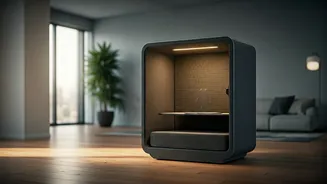
the pandemic hit. Suddenly, that airy, boundary-free space became a chaotic acoustics nightmare. With multiple family members on Zoom calls, one person trying to focus on a spreadsheet, and another attempting to watch TV, the lack of separation became a source of constant friction. The open floor plan, designed for communal leisure, was simply not built for concurrent, conflicting work and life activities. This created an urgent need for division, privacy, and the ability to mentally “leave” work, even if you’re only moving ten feet away. The era of the “great room” is giving way to the era of the smart, segmented space.
Zoning for Focus and Flow
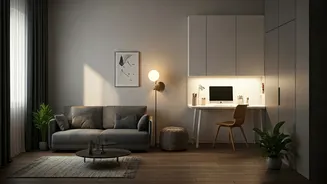
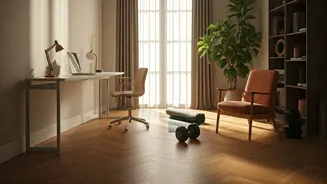
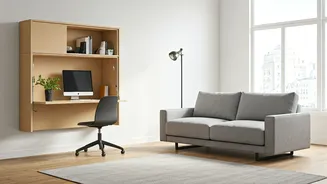
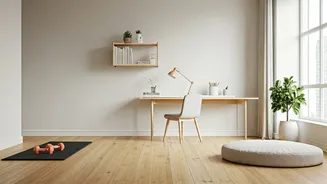
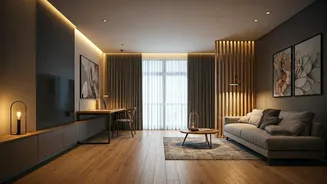
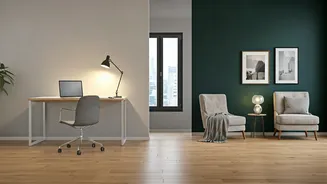
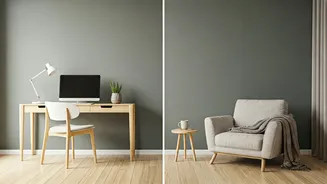
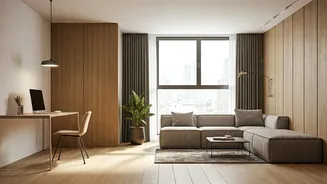
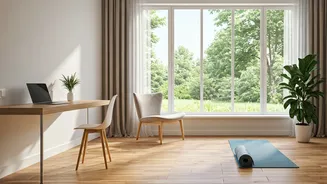
Enter the concept of “zoning.” This interior design strategy doesn't necessarily mean putting walls back up. Instead, it’s about creating distinct “zones” for different activities within a single room, using subtle cues to signal a shift in purpose and mood. Think of it as creating rooms within a room. This can be achieved through clever furniture placement, like using a bookshelf or a console table to create a visual barrier between a living area and a workspace. Area rugs are another powerful tool, defining a conversation pit in the living room that feels separate from the hardwood floor area of your “office.” Lighting is perhaps the most effective mood-shifter. Bright, cool-toned task lighting can illuminate a desk area for focused work during the day, while warm, ambient lamps can create a cozy, relaxing atmosphere in the same space after 5 p.m. The goal is to use sensory cues to tell your brain which “mode” you’re in: work, relax, or socialize.
The Rise of Flexible Furniture
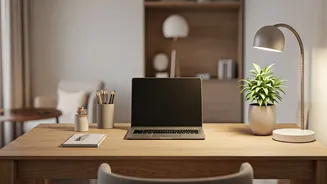
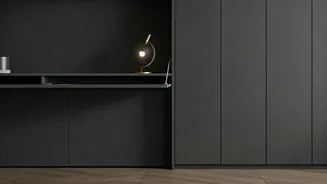
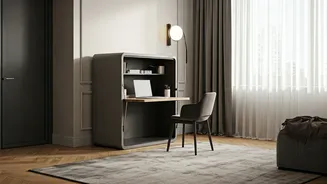
The furniture industry has been quick to respond to this new reality. We’re seeing a surge in demand for adaptable, multi-functional pieces that serve the “multi-mood” home. The clunky, permanent home office desk is being replaced by more elegant solutions. There’s the “cloffice” (a closet converted into a mini-office that can be shut away), secretary desks that fold up to hide clutter, and lift-top coffee tables that rise to become ergonomic work surfaces. Room dividers, once a relic of studio apartments, have made a major comeback in stylish new forms, from fluted glass panels to foldable fabric screens. Even seating is becoming more modular, with sofas that can be reconfigured for movie night, a solo work session, or a party. This new wave of furniture acknowledges a core truth of hybrid life: a space must transform its function throughout the day, and the objects within it must facilitate that change seamlessly.
Reclaiming the End-of-Day Ritual
Ultimately, the shift toward multi-mood spaces is about more than just aesthetics or organization; it's about psychological well-being. When your office is also your living room, the workday never seems to end. The mental bleed between professional and personal life is a primary driver of burnout in the remote and hybrid workforce. Creating physical transitions helps create mental ones. The simple act of folding away a laptop into a cabinet, dimming the lights, or putting up a decorative screen is a powerful ritual. It signals to your brain that the workday is over and it’s time to transition to a different state of being—to be a partner, a parent, or simply a person at rest. These small environmental shifts help rebuild the boundaries that the daily commute used to provide, allowing us to reclaim our homes as sanctuaries for relaxation and personal time, even if they pull double duty as our workplace.