

A Symphony in a Mouthful
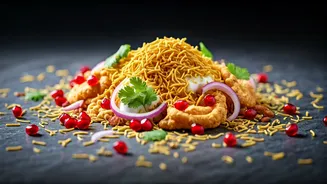
For the uninitiated, defining 'chaat' is like trying to describe a color. The word literally means 'to lick,' and the experience is just as visceral. It’s not a single dish but a sprawling category of savory snacks that deliver a firework display of textures
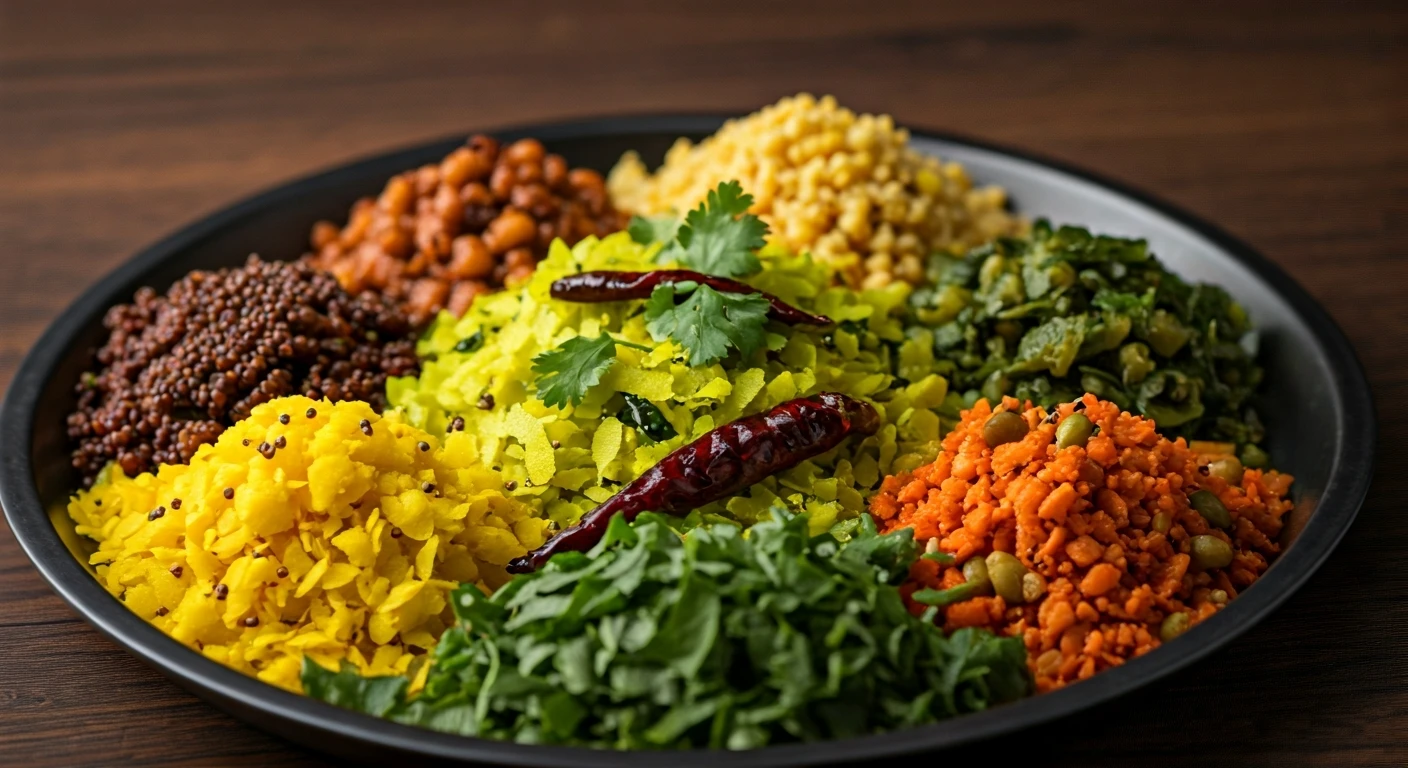
and flavors. Think of papdi chaat, where crisp fried dough wafers are loaded with boiled potatoes, chickpeas, cool yogurt, and a duo of sweet tamarind and zesty mint-coriander chutneys. Or pani puri (also called golgappa), where a hollow, crunchy sphere is filled with spiced water, tamarind pulp, and potatoes, designed to be eaten in one explosive bite before it disintegrates. From the puffed rice medley of bhel puri to the warm potato patties of aloo tikki, every dish is a masterclass in culinary balance. The secret isn't just one ingredient; it’s the chaotic, harmonious collision of them all. It's the reason an entire subcontinent is, and has always been, utterly obsessed.
More Than Just a Snack
Historically, chaat is a fundamentally public and social food. You don't make a quiet, solitary pot of pani puri at home for dinner. You find it at a roadside stall, a 'thela,' where a skilled vendor (the chaat-wallah) assembles your order with dizzying speed. You stand with friends after work or family on a weekend, jostling for space, shouting your spice-level preference over the din of traffic. It's an equalizer, enjoyed by students and executives, often from the same vendor, using hands or a flimsy leaf-plate. The chaat-wallah is the conductor of this orchestra, customizing each plate slightly—'more spicy,' 'less sweet,' 'extra onions'—but the core experience is communal. You are part of a crowd, sharing a moment of pure, unadulterated deliciousness. This public ritual is as much a part of the obsession as the food itself.
The At-Home Revolution
Then, things started to change. The global pandemic accelerated a trend that was already bubbling: bringing street food indoors. As restaurants closed and street vendors vanished, a craving for chaat didn't just disappear; it intensified. Enter the DIY chaat kit. Companies and home cooks began packaging the essential, shelf-stable components—the crisp puris, the dry spice mixes, the jars of chutney concentrate. Suddenly, the complex alchemy of the chaat-wallah was demystified and put into a box. All you had to do was boil some potatoes, chop an onion, and assemble. This wasn't just a substitute; it was a revelation. The street food experience, once tied to a specific time and place, could now be conjured in your own kitchen, on your own schedule. It turned a public ritual into a private project.
Your Chaat, Your Rules
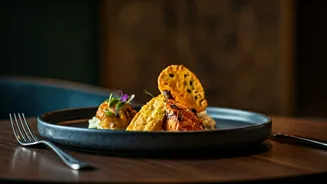
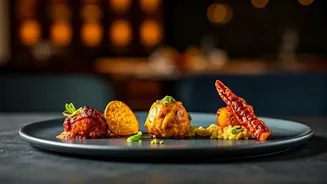
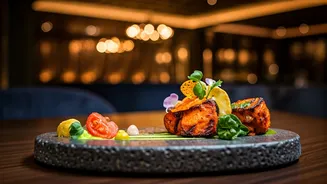
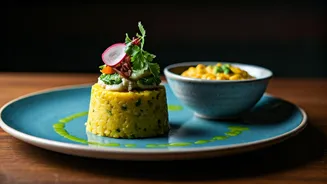
This newfound domesticity has blossomed into a full-blown movement of personalization. The headline 'India's Chaat Obsession Just Got More Personal' isn't just about home kits; it’s about a fundamental shift in ownership. Today, upscale Indian restaurants in New York and London feature deconstructed chaat, allowing diners to build their own. In the U.S., 'chaat bars' have become a chic, interactive centerpiece at weddings and parties, where guests can customize their own creations with an array of non-traditional toppings like avocado, pomegranate seeds, or crumbled feta. Social media is flooded with home chefs showing off their 'chaat-cuterie' boards—a playful, Instagram-friendly take on the charcuterie trend, but with puris, sev (crispy chickpea noodles), and bowls of colorful chutneys. It’s no longer just about requesting 'extra spicy.' It's about designing a bite that reflects your own palate, creativity, and even your identity. Chaat has become a canvas.