

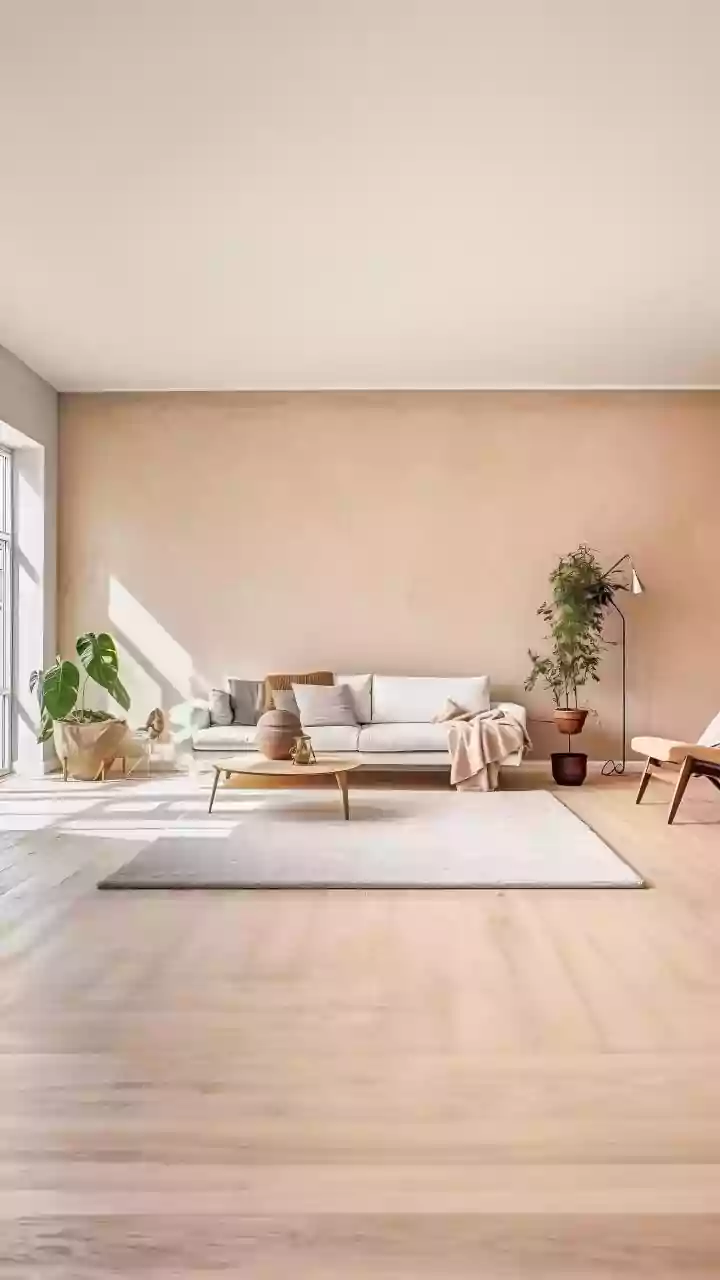

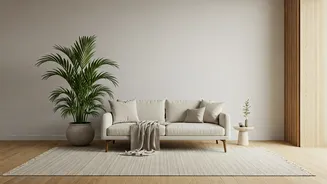


Choose Your Paint Wisely
One of the biggest culprits of poor indoor air quality is fresh paint. Many conventional paints release Volatile Organic Compounds (VOCs), chemicals that can cause headaches, dizziness, and respiratory issues long after the paint has dried. The simple
hack? Opt for low-VOC or zero-VOC paints. These alternatives are now widely available at most hardware stores and come in a full spectrum of colors. They perform just as well as traditional paints but off-gas significantly fewer harmful chemicals, giving you a fresh look without the toxic fumes. When painting, always ensure good ventilation by opening windows and using fans to circulate air.
Bring the Outdoors In
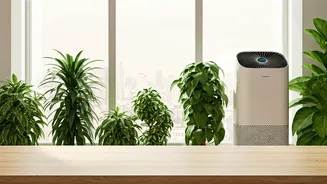
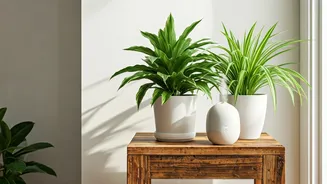
Houseplants are more than just green decor; they are nature's air purifiers. While you'd need a veritable jungle to completely scrub your home's air, certain plants are particularly effective at filtering out common toxins. Snake plants, spider plants, and peace lilies are famously low-maintenance and known for their ability to absorb pollutants like formaldehyde and benzene. Group a few together in rooms where you spend the most time, like the bedroom or living room. Beyond their air-cleaning properties, studies show that simply having plants around can reduce stress and boost your mood, making them a win-win for a healthier home environment.
Embrace Natural Textiles
Your rugs, curtains, and upholstery can also be sneaky sources of indoor pollution. Synthetic fibers like polyester and nylon are often treated with chemicals for stain resistance and flame retardancy, which can be released into the air. For a healthier alternative, prioritize natural, breathable fabrics. Think organic cotton, linen, wool, and hemp for your bedding, throw blankets, and window treatments. These materials are inherently more sustainable and don't require the same harsh chemical processing. When shopping for a new rug, look for options made from wool or jute, and be mindful of the backing, which can also contain VOCs.
Select Furniture Thoughtfully
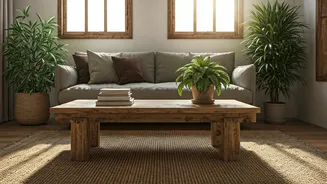
Much of modern, affordable furniture is made from pressed wood products like particleboard or MDF, which use glues high in formaldehyde. As this furniture ages, it off-gasses this chemical into your home. A more sustainable and healthier hack is to choose solid wood furniture whenever possible. Shopping secondhand is a fantastic way to do this affordably. Vintage or antique solid wood pieces have likely finished off-gassing years ago. If you must buy new, look for furniture with a Greenguard Gold certification, which ensures it has met strict low-emission standards.
Prioritize Simple Ventilation
The single most effective way to improve indoor air quality costs nothing at all: opening your windows. Modern homes are built to be airtight for energy efficiency, but this also means pollutants get trapped inside. Make it a habit to open windows for at least 15 minutes every day, even in colder weather, to create a cross-breeze and flush out stale air. Use exhaust fans in your kitchen when cooking and in the bathroom during showers to vent moisture and contaminants directly outside. This simple act of ventilation is a cornerstone of maintaining a breathable home.
Clean Green, Breathe Clean
Aggressive cleaning products with strong artificial fragrances can fill your home with a cocktail of airborne chemicals. Swap out harsh sprays for simpler, non-toxic alternatives. A simple solution of white vinegar and water is a powerful all-purpose cleaner for many surfaces. Baking soda works as a great scrubbing agent. If you prefer to buy pre-made products, look for brands that are transparent about their ingredients and use plant-derived, biodegradable formulas. A clean home shouldn't come at the cost of clean air.