



The Perfect Unintentional Nursery
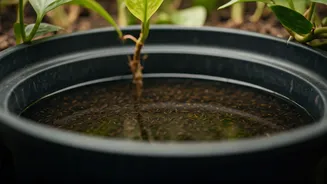
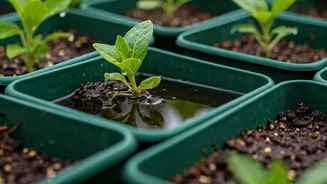
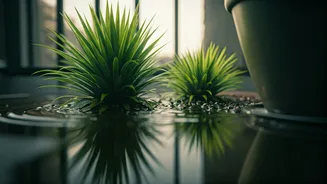
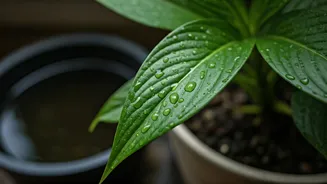
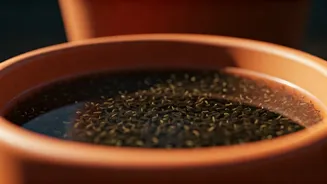
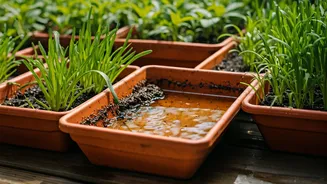
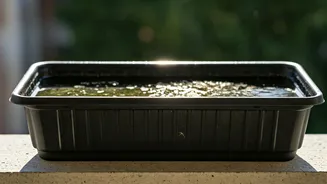
To a female mosquito, that small, stable pool of water in a plant tray is a five-star resort for her future offspring. Unlike puddles that evaporate quickly or ponds with fish that eat larvae, the water in a plant saucer is often undisturbed, shaded by
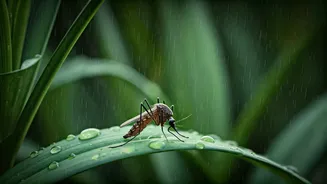
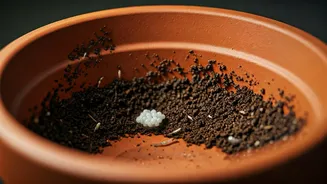
the plant above, and consistently refreshed every time you water. It’s the ideal environment for her to lay her eggs—sometimes hundreds at a time. Mosquitoes aren’t picky about volume. In fact, some of the most common and aggressive species that bite during the day, like the Aedes mosquito (a carrier of viruses like Zika, dengue, and chikungunya), prefer to breed in small, man-made containers. They have evolved to thrive in the tiny pockets of water that our urban and suburban environments create. A plant saucer is, from a mosquito’s perspective, a custom-built, predator-free nursery.
From Puddle to Pest in One Week
The speed of the mosquito life cycle is what makes these small water sources so problematic. It doesn’t take long for a harmless puddle to unleash a new generation of biting insects. Once a female mosquito lays her eggs in the water, they can hatch into larvae (often called “wrigglers”) in as little as 24 to 48 hours. These larvae live in the water, feeding on microorganisms for about five to seven days before developing into pupae. The pupal stage is short, lasting only a day or two before a fully formed adult mosquito emerges and flies off, ready to bite. The entire process from egg to adult can take as little as seven days in warm weather. This means that a saucer of water you forgot about after watering your plants last weekend could be the very source of the mosquitoes buzzing around your ankles this weekend. Because the cycle is so rapid, intermittent vigilance is not enough; consistent prevention is key.
Your 3-Step Mosquito-Proofing Plan
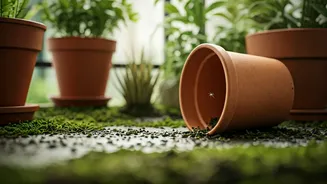
The good news is that disrupting this cycle is incredibly simple. You don’t need expensive chemicals or complicated gadgets. All you need is a consistent routine. Here’s a simple, effective plan to reclaim your plant saucers: 1. **Tip and Dry, Weekly:** The most crucial step is to eliminate the standing water. At least once a week, make a habit of emptying any water that has collected in your plant saucers. Tip the water out onto the lawn or soil—anywhere it won't pool. For best results, use a cloth or paper towel to wipe the saucer dry, which will also remove any eggs that might be stuck to the surface. 2. **Fill the Void:** If you prefer a less hands-on approach, you can prevent water from pooling in the first place. Fill the plant saucer with coarse sand, gravel, or decorative pebbles. When you water the plant, the excess will drain into the saucer, but the sand or gravel will absorb it and prevent a standing pool from forming on the surface. The water will still be available to the plant through evaporation and root absorption, but the mosquitoes won't have a place to lay their eggs. 3. **Consider an Upgrade:** For a long-term solution, look into alternative pot designs. Self-watering planters are designed with an enclosed water reservoir that is inaccessible to mosquitoes. Other pots have integrated, fast-draining trays that don’t allow water to sit. These can be a great investment for key plants in high-traffic outdoor living areas.
Beyond the Flowerpot: Other Backyard Culprits
Once you’ve addressed your plant saucers, apply the same logic to the rest of your yard. A mosquito can lay eggs in any amount of standing water the size of a bottle cap. Take a weekly walk around your property and look for other potential breeding grounds. Common culprits include: * Clogged rain gutters * Birdbaths (water should be changed every few days) * Children’s toys, buckets, and wading pools * Tarps or grill covers that collect rainwater in folds * Old tires * Wheelbarrows * Even outdoor trash and recycling bins if they don’t have drainage holes By thinking like a mosquito and looking for any place that can hold water for a few days, you can dramatically reduce the number of pests in your yard.