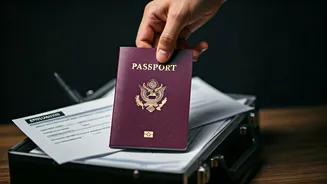







The New Schengen Reality
For many Americans, traveling to Europe’s Schengen Area—a zone of 29 countries that have abolished internal border controls—has long been a visa-free privilege for short stays. But for millions of others around the world, and for Americans seeking longer
stays or specific visa types, securing a Schengen visa is a mandatory first step. In recent years, that step has become significantly harder. Rejection rates for short-stay visas have been climbing, hitting record highs. In 2023, more than 885,000 applications were denied. This isn't just bad luck; it reflects overwhelmed consulates, stricter scrutiny post-pandemic, and shifting immigration policies. The result is a high-stakes environment where applicants can no longer assume approval, forcing them to think like strategists.
Why All Consulates Are Not Created Equal
A crucial fact is often overlooked: there is no single “Schengen visa office.” You apply to the consulate of a specific member country. And data reveals a startling disparity in their approval rates. A rejection from one country doesn't mean you'd be rejected by all. This difference isn’t arbitrary. It’s driven by several factors. A country with a small consular staff in a high-demand city will be overwhelmed, leading to stricter vetting. Some countries are major tourist magnets (like France) and receive a staggering volume of applications, straining their resources. Others may have stricter internal policies based on the perceived risk of applicants overstaying. The bottom line is that the flag on the embassy door has a direct statistical impact on your chances.
The Low-Rejection All-Stars
If you have flexibility in your itinerary, applying to a country with a historically lower rejection rate can be a smart move. Based on recent statistics, several nations stand out for their higher approval odds. Luxembourg, Slovakia, Lithuania, and Finland consistently post some of the lowest rejection rates in the Schengen Area. These countries often receive fewer applications, allowing for more thorough, and perhaps less rushed, reviews. While you must still adhere to Schengen rules—which typically require you to apply to your main destination or first point of entry—an itinerary that legitimately centers on one of these countries could statistically improve your position. For example, planning a trip that spends the most time in Finland makes applying to the Finnish consulate the correct and, statistically, safer choice.
The High-Stakes Gambles
On the other end of the spectrum are the countries where your application faces a tougher battle. Nations like Malta, Estonia, France, and Belgium have recently shown significantly higher rejection rates. Malta, in particular, has become notorious for its high denial percentage, sometimes rejecting over a third of its applications. For France, the issue is often sheer volume; as the world’s top tourist destination, its consulates are inundated. For other countries, it may be a combination of high demand and stringent local assessments of an applicant's intent to return home. Applying to these consulates isn’t impossible, but it requires an absolutely flawless application. Any missing document, questionable bank statement, or unclear itinerary is more likely to result in a rejection stamp.
Your Tactical Application Checklist
Knowing the numbers is only half the battle. You still have to play by the rules. First, honestly determine your main destination—the country where you will spend the most nights. This is the consulate you *must* apply to. Attempting to “visa shop” by applying to an easier country without a genuine itinerary to back it up is a common reason for denial. Once you’ve identified the correct consulate, be meticulous. Provide a clear, day-by-day itinerary. Book refundable flights and hotels to show proof of travel. Ensure your travel insurance meets the minimum Schengen requirements (€30,000 coverage). Finally, apply early. Most consulates allow applications up to six months before your travel date. This gives you a buffer in case of delays and shows you are a well-prepared traveler, not a last-minute risk.