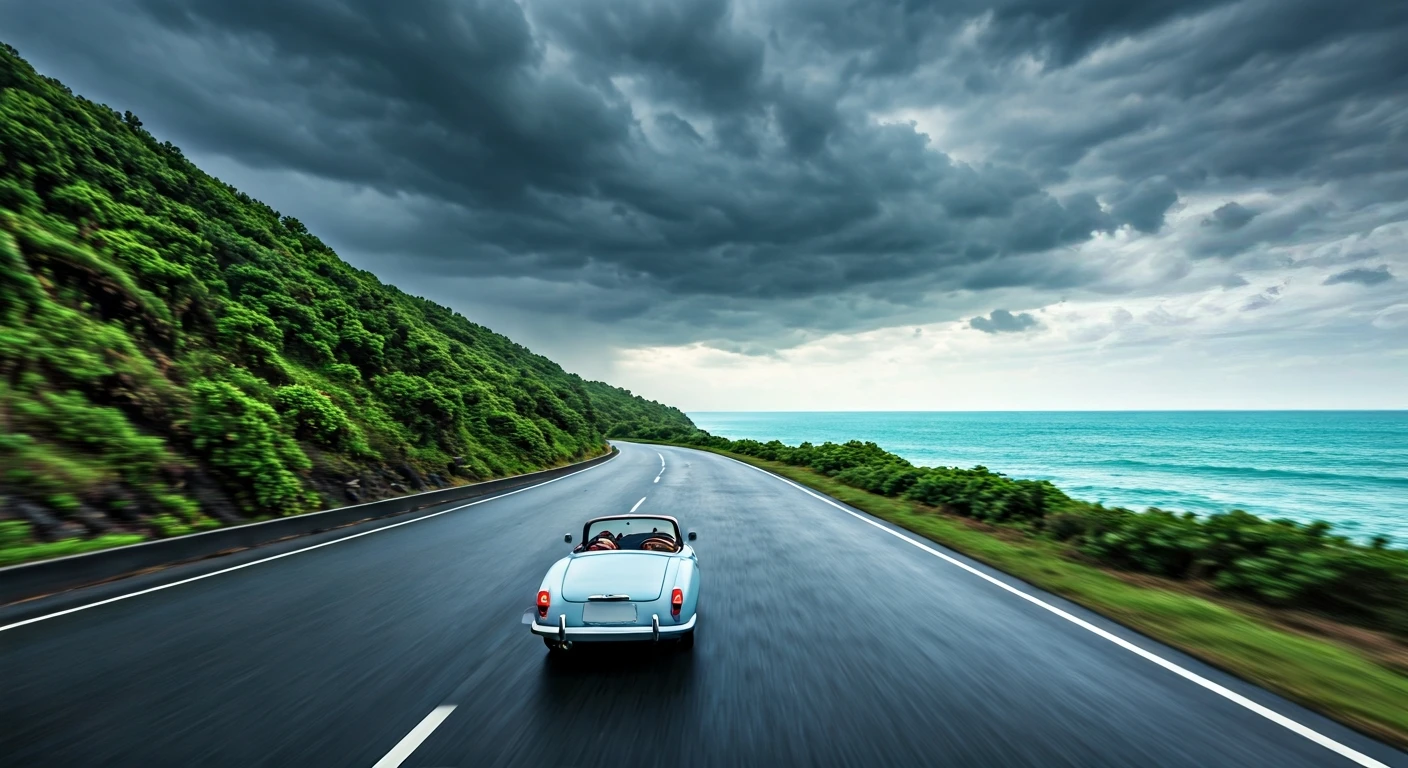

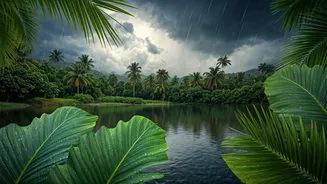
First, What Is 'Window-Seat Energy'?
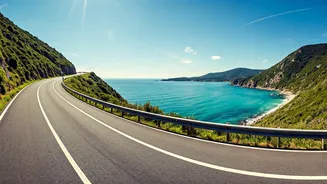
It’s a feeling you know instinctively. It’s the quiet contemplation that comes from watching landscapes unfold. It’s less about the destination and all about the journey—the hypnotic rhythm of the road, the shifting light, the lush scenery filling your
entire field of vision. This isn't the energy of a packed tourist bus or a rushed flight. It's the main-character energy of a solo traveler in a movie, with the perfect soundtrack playing in their head as miles of coastline, tiny villages, and dense greenery scroll by. In a post-pandemic world hungry for authentic, unhurried experiences, this desire for slow, immersive travel has found its perfect expression in the modern road trip.
Welcome to the Konkan Coast
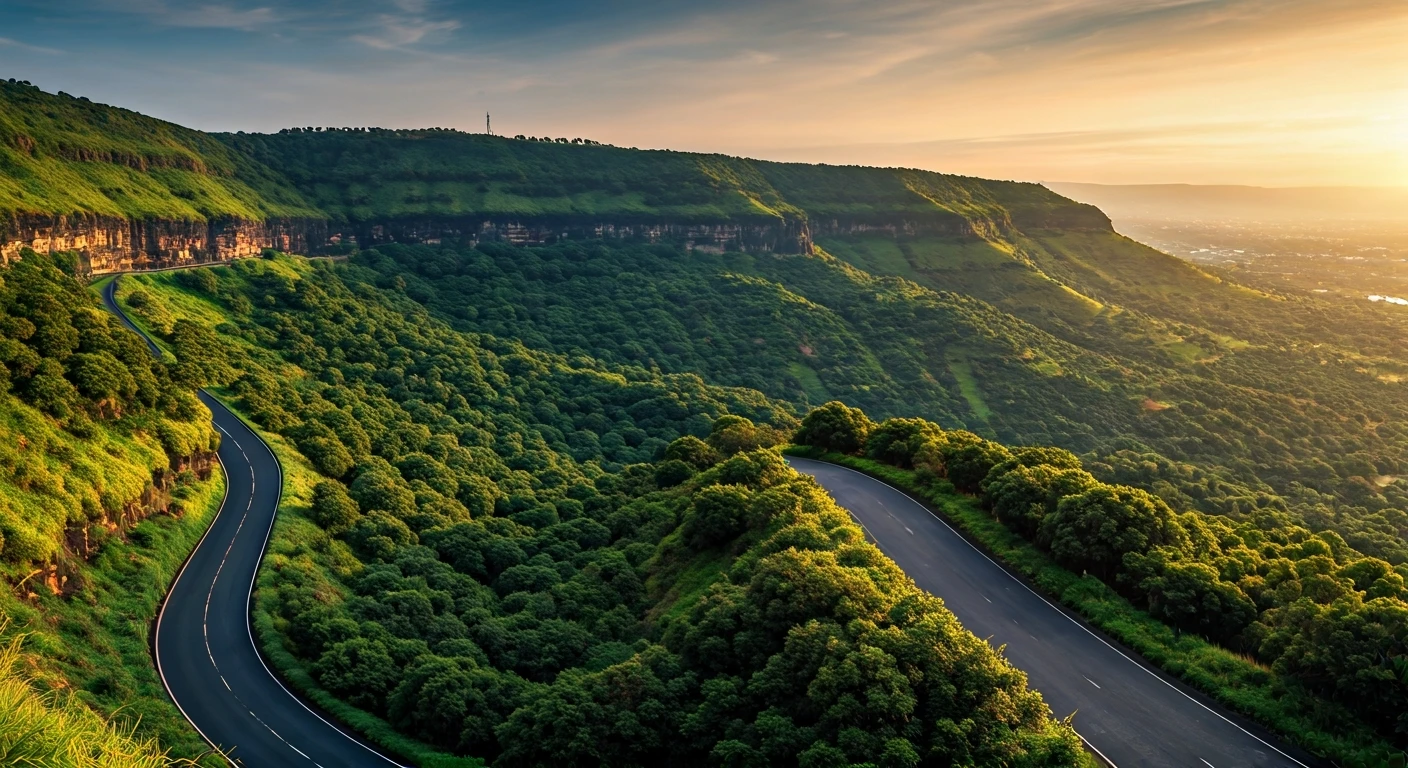
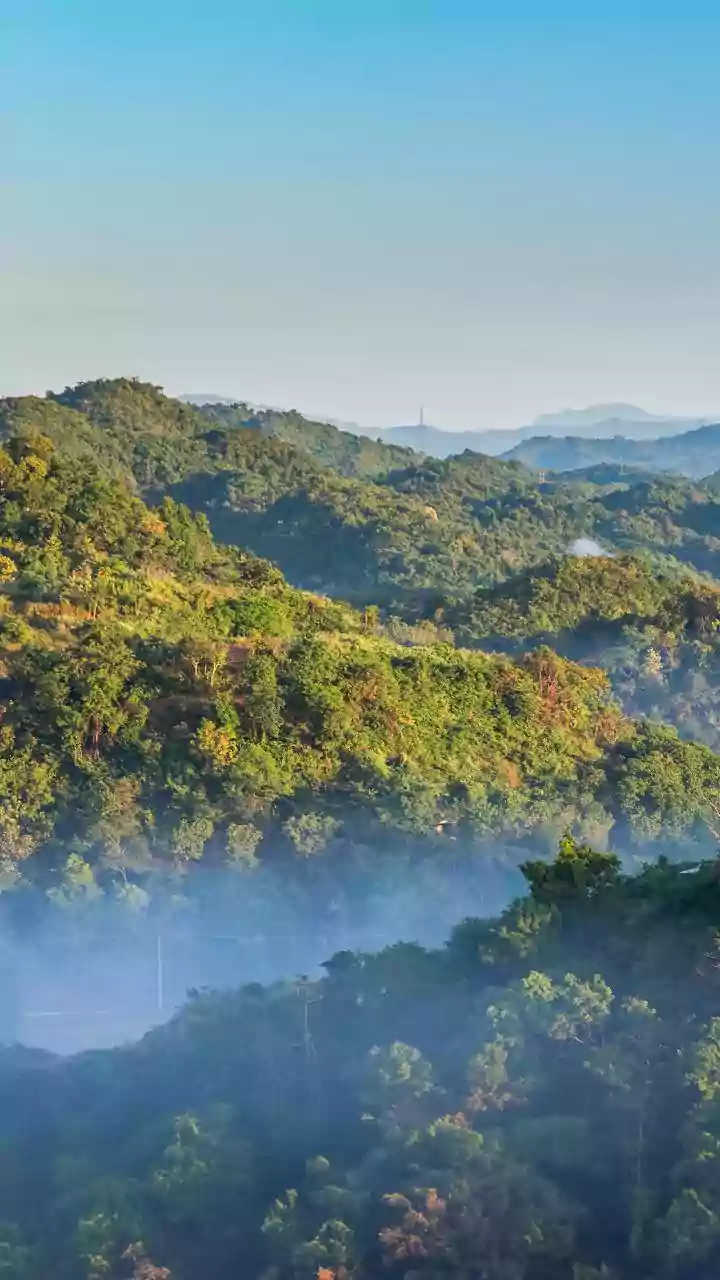
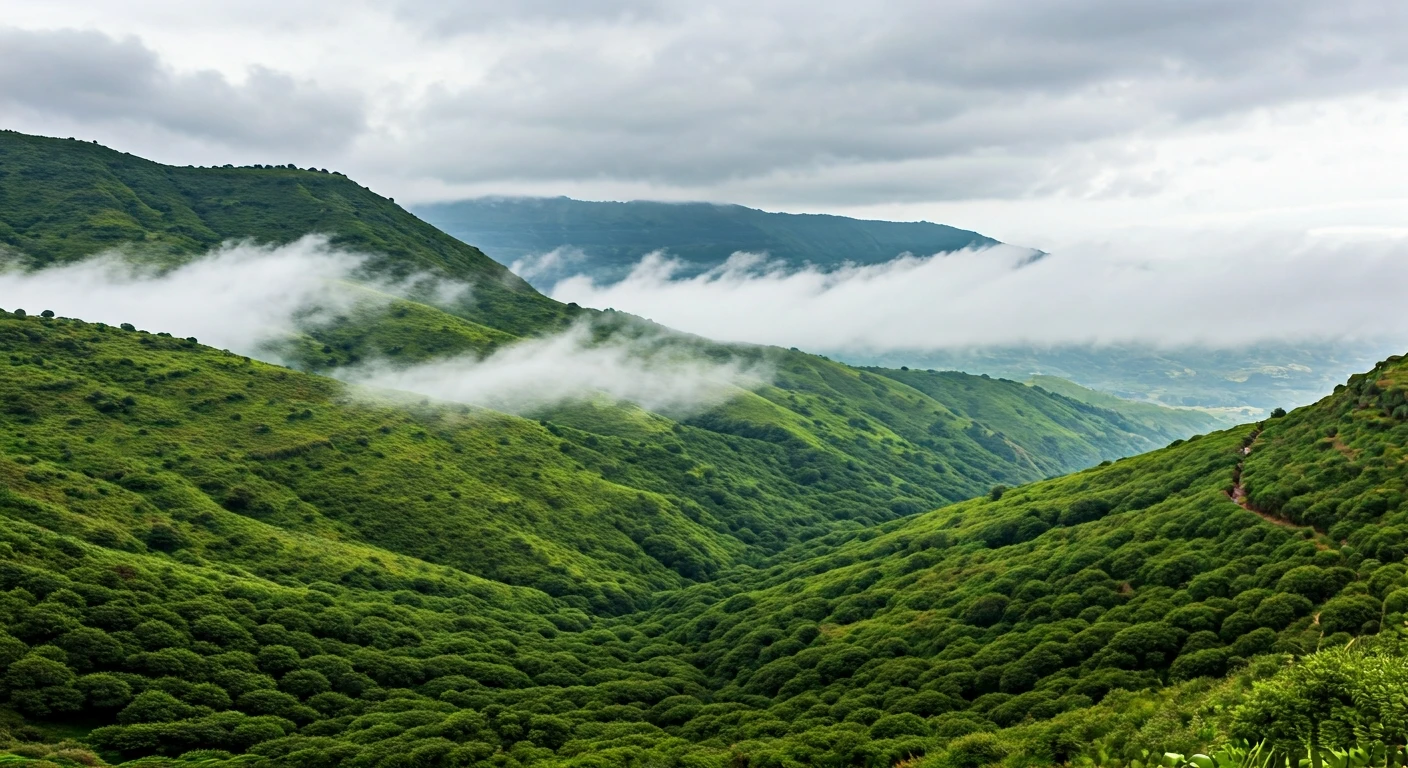
For Americans who picture India as a land of bustling megacities and desert palaces, the Konkan is a revelation. Imagine California's Highway 1, but trade the Pacific fog for tropical humidity and the redwood forests for coconut groves and mango orchards. The Konkan is a rugged, 450-mile stretch of coastline in Western India, sandwiched between the towering, jungle-clad mountains of the Western Ghats and the turquoise waters of the Arabian Sea. This region, which runs south from the outskirts of Mumbai through the state of Goa, is a tapestry of fishing villages, ancient forts, secluded beaches, and towns with Portuguese-inflected architecture. For centuries, its geography made it feel remote. Today, that very remoteness is its core appeal.
The Journey Is the Destination
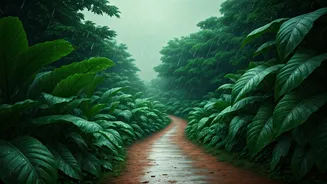
Historically, driving the Konkan was an adventure reserved for the patient and brave. Winding, narrow roads could turn a 370-mile drive from Mumbai to Goa into a grueling 12-hour-plus marathon. But that’s changing, and it’s the key to this newfound energy. Massive infrastructure upgrades, particularly the widening of National Highway 66 (NH-66), are transforming the journey. What was once a bone-jarring ordeal is becoming a smooth, scenic dream. New bridges span wide rivers, and fresh asphalt carves through the hills, making the drive not just manageable but genuinely pleasurable. This accessibility has opened the door for a new generation of travelers to discover the region at their own pace, pulling over whenever a stunning viewpoint or a roadside stall selling fresh sugarcane juice appears.
A Feast for Every Sense
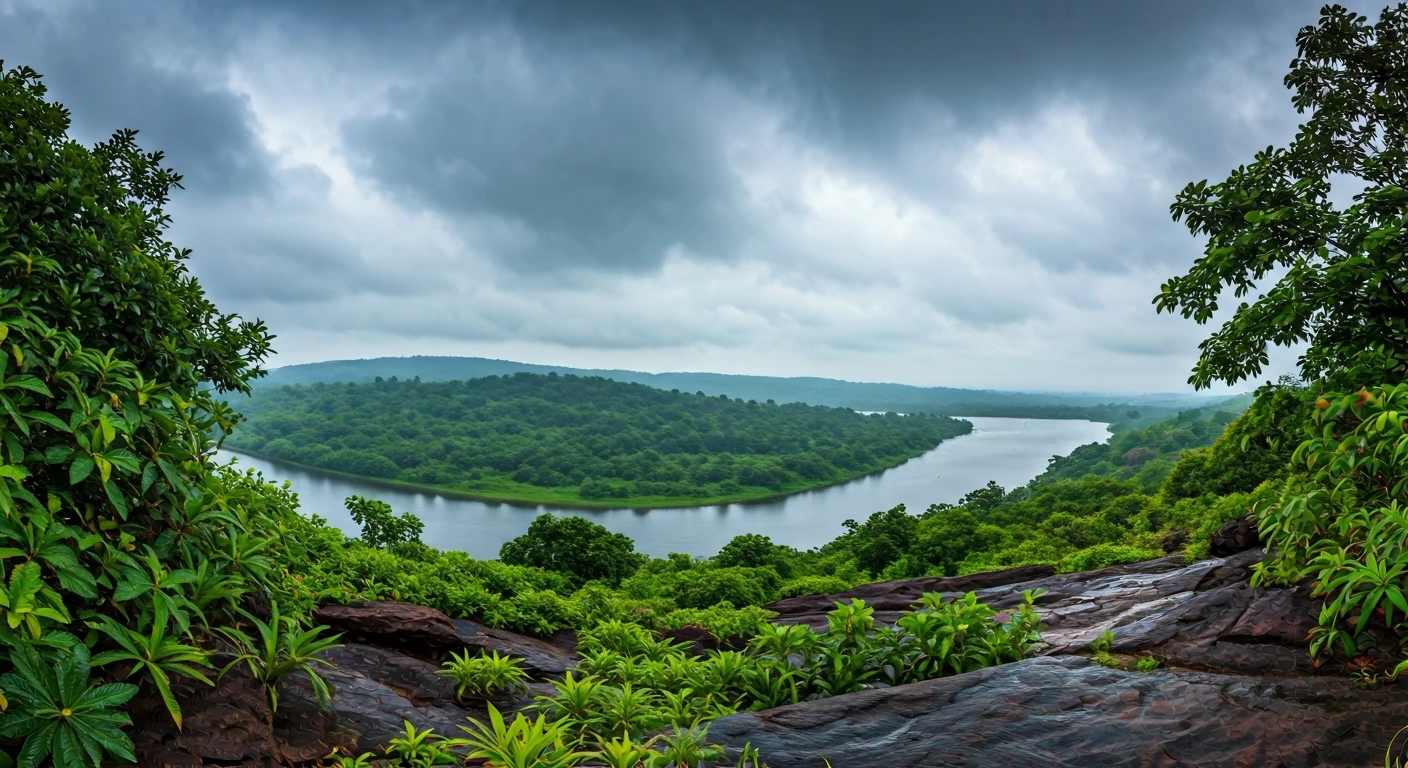
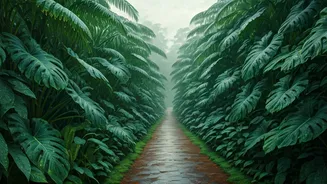
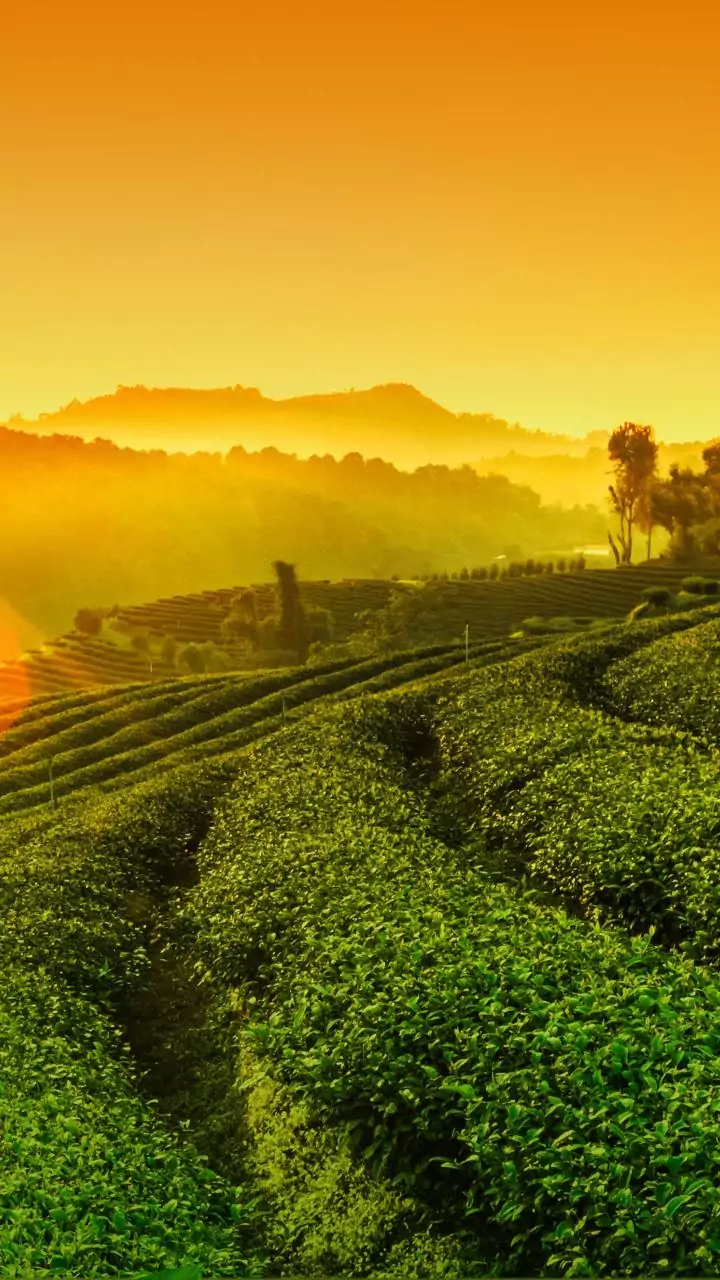
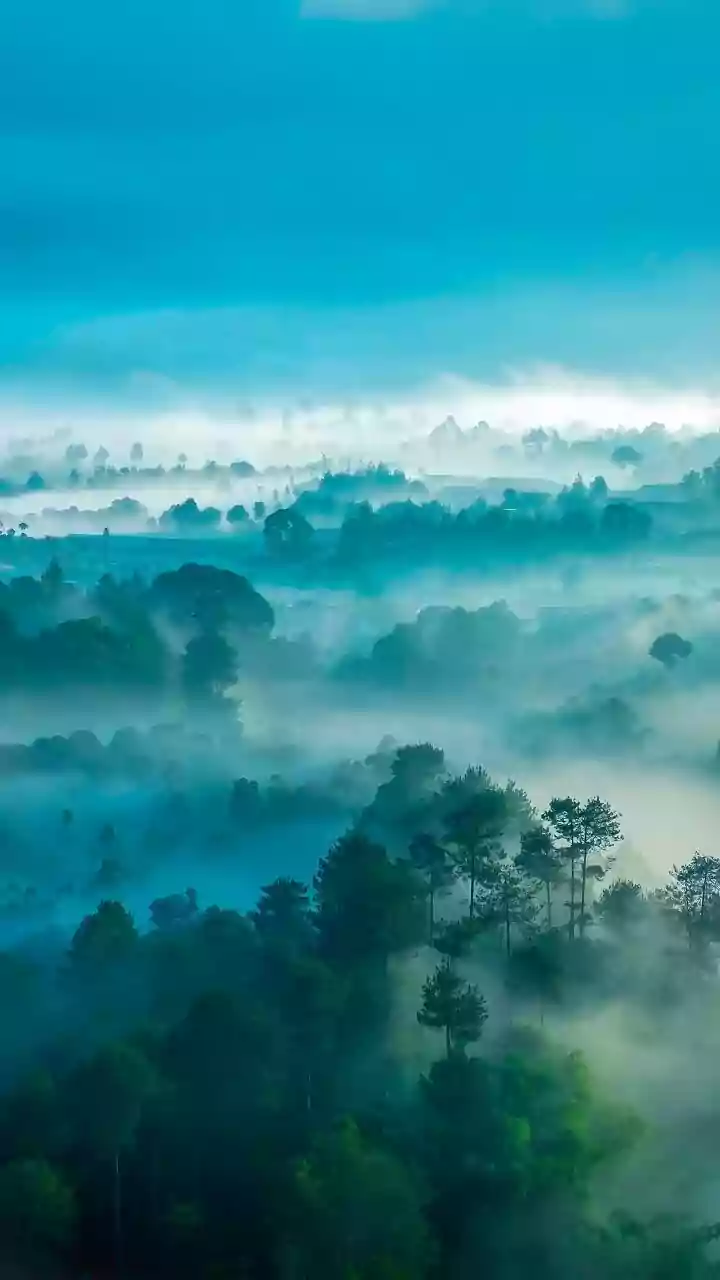
A Konkan road trip is an exercise in sensory overload, in the best possible way. The air is thick with the smell of salt, rain-soaked earth, and the faint aroma of fish curry spiced with coconut and kokum, a sour local fruit. The visual palette is a constant swirl of greens and blues—emerald rice paddies, the deep green of the Ghats, and the shifting blues of the sea. The soundtrack is the buzz of cicadas, the crash of waves, and the chatter of Konkani and Marathi in the marketplaces. And the taste—this is where the Konkan truly shines. This is the home of the world-famous Alphonso mango, a fruit so sweet and fragrant it inspires poetry. It’s a place for Malvani cuisine, known for its fiery seafood curries, and for simple but profound meals of fresh fish fried to perfection and served with rice just a stone's throw from the water.
Why It’s Happening Now
The rise of the Konkan road trip is a perfect storm of infrastructure, social media, and a global shift in travel priorities. As the drive becomes easier, more travelers are sharing its cinematic beauty online, creating a feedback loop of inspiration. Instagram feeds are filling up with shots of cars on winding coastal roads and dreamy sunsets over empty beaches. For India’s growing domestic tourist market, it’s an accessible escape from city life. For international visitors, it offers a glimpse of a different India—slower, greener, and more intimate. It’s a journey that encourages you to put your phone down (except to take a photo), roll down the window, and simply watch the world go by.